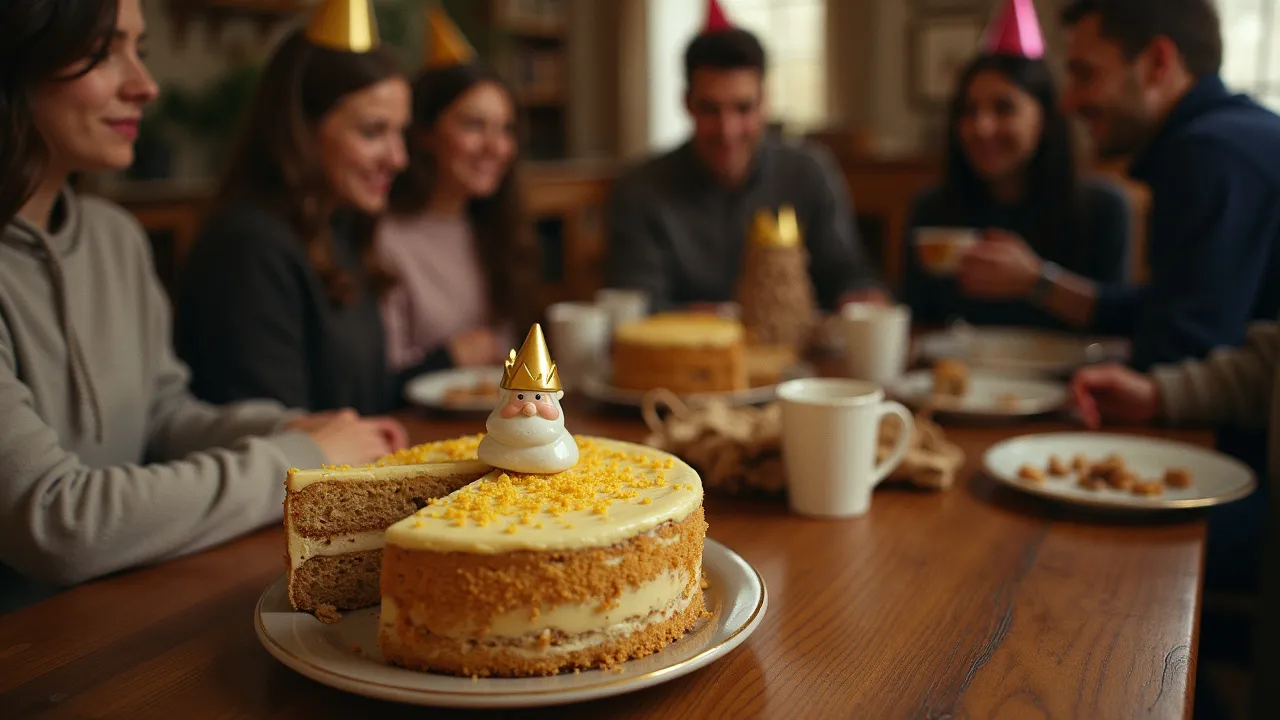
Twelfth Night, observed on January 5th, marks the eve of Epiphany and the official end of the Christmas season. Celebrated with king cakes, wassailing, and charity, it blends Christian liturgy with ancient folk traditions.
The Historical Origins & Evolutionary Journey
Twelfth Night is a Christian feast rooted in the early Church's celebration of the Epiphany, which commemorates the visit of the Magi to the infant Jesus. The date of January 5th (or the evening of January 5th) marks the eve of Epiphany (January 6th) and serves as the conclusion of the Twelve Days of Christmas. This period was firmly established in the Western Church by the 4th century, though local customs varied widely.
The Foundational Catalyst
The origins of Twelfth Night lie in the juxtaposition of sacred and secular. In medieval Europe, the Church officially designated the period from Christmas Day (December 25) to Epiphany (January 6) as a unified season of celebration. The evening of January 5—Twelfth Night—became a focal point for feasting, role reversal, and merriment, echoing older Roman Saturnalia traditions. One key element was the Feast of Fools, where lower clergy would parody religious rites. By the late Middle Ages, Twelfth Night was synonymous with elaborate courtly entertainments.
The Legislative/Official Adoption
While never codified by a single legislative body, Twelfth Night became deeply embedded in English law and culture. During the Tudor period, the celebration was a fixture of the royal calendar. Queen Elizabeth I famously hosted opulent Twelfth Night revels, featuring masques and plays. The tradition was so entrenched that when Puritan parliament banned Christmas celebrations in 1647, Twelfth Night also suffered, leading to public protests. After the Restoration, Twelfth Night customs revived, but by the 19th century, industrialization and shifting social norms transformed the observance into a more domestic affair.
Modern Global Legacy
Today, Twelfth Night is celebrated around the world, often merging with local Epiphany traditions. In the United Kingdom, customs like wassailing fruit trees and baking a king cake persist. In the United States, it is less widely observed but enjoys a revival through church and community events. The holiday has also inspired Shakespeare's famous play Twelfth Night, which originally premiered for the feast in 1601 and continues to shape modern perceptions.
How to Celebrate Twelfth Night
Twelfth Night offers a rich tapestry of celebration ideas rooted in history and adapted for modern life. The key is to mark the end of the Christmas season while looking forward to the Epiphany. Below are actionable strategies for individuals, families, schools, and organizations.
For Individuals and Families
- Bake a King Cake: Make or purchase a traditional cake containing a small dried bean, pea, or figurine. The person who finds the token is crowned king or queen for the night. Serve with hot cider or mulled wine.
- Host a Twelfth Night Feast: Organize a dinner with foods symbolic of the season—roast meats, winter vegetables, and a special dessert. Decorate the table with holly, ivy, and candles. Encourage guests to wear paper crowns or jester hats.
- Perform a Wassail: Wassailing involves toasting to the health of apple trees (in cider-making regions) or singing traditional songs door-to-door. Adapt this by creating a playlist of medieval carols and singing around the house or neighborhood.
For Schools and Community Groups
- Educational Reenactments: Stage a short play based on the Feast of Fools or Shakespeare's Twelfth Night. Students can research medieval costumes and characters.
- Charity Drives: Since Twelfth Night historically involved almsgiving, organize a food or clothing collection to honor the Magi's gifts.
- Epiphany House Blessing: Using chalk, write the year and the initials of the Magi (C, M, B) above doorways to bless homes for the coming year.
For Organizations and Churches
- Twelfth Night Service: Hold a candlelit evening service with readings from Matthew 2 and traditional hymns like We Three Kings.
- Community King Cake Contest: Encourage local bakers to compete, with proceeds going to charity.
- Take Down Christmas Decorations: According to tradition, greenery must be removed by Twelfth Night to avoid bad luck. Organize a community event to undecorate together and share stories.
Regional variations include Spain (where Epiphany is the main gift-giving day and children leave shoes out on Jan 5), Mexico (with the Rosca de Reyes cake and family gatherings), and parts of Germany (where Sternsinger—star singers—go door-to-door on Jan 5-6). Adapt these ideas to your local context.
Symbolism and Core Themes
Twelfth Night is rich in symbolism that bridges the sacred and the secular. The holiday's core themes revolve around revelation, reversal, and generosity.
The King Cake and Its Tokens
The most iconic symbol is the king cake, which contains a hidden object—historically a bean, pea, or coin. The finder becomes the ruler of the festivities, a reminder of the Magi who followed the star to find the Christ child and of the transient nature of power. The cake itself represents the unity of the community, as it is shared among all present.
Role Reversal and the Feast of Fools
Medieval Twelfth Night celebrations often included a temporary inversion of social hierarchies: a boy bishop would preside over mock services, servants would act as masters, and the lowest person might be crowned king. This echoes the biblical theme of the last being first and served as a sanctioned release valve for societal tensions.
Light and Darkness
Candles, bonfires, and lanterns feature prominently, symbolizing the light of Christ's revelation to the Gentiles. The star of Bethlehem is also recalled. Many households leave a light burning all night on Twelfth Night to guide the Magi.
Charity and Almsgiving
The Magi brought gifts of gold, frankincense, and myrrh, and Twelfth Night is traditionally a time for giving to the poor. This theme connects to the modern practice of leaving money in the king cake or donating to charity on this day.
Global Impact and Cultural Exchange
Twelfth Night has traveled across continents, adapting to local cultures while retaining its core identity. Its influence can be seen in literature, music, and culinary traditions worldwide.
Influence on Literature and Performing Arts
Shakespeare's Twelfth Night, originally titled What You Will, was written for the 1601 Twelfth Night celebrations at the royal court. Its themes of mistaken identity, gender role reversal, and festivity are directly inspired by the holiday's irreverent spirit. The play has been performed continuously for over 400 years and has inspired adaptations in film, opera, and ballet.
Culinary Traditions Around the World
The king cake tradition has spawned countless variations. In France, the galette des rois (a puff pastry filled with almond cream) contains a fève (originally a bean, now often a small porcelain figurine). In Portugal, bolo-rei is a ring-shaped fruitcake with a gift inside. In New Orleans, the king cake is associated with Mardi Gras, but its origins trace back to Twelfth Night. These confections connect millions of people to the same ancient custom.
Revival in the 20th and 21st Centuries
After decline in the 19th century, Twelfth Night has seen a resurgence, partly due to heritage tourism and a desire for seasonal traditions. In the UK, the Twelfth Night Revels at the Royal Albert Hall and local church events attract large crowds. Online communities share recipes and histories, ensuring the observance remains relevant.
Regional Variations and Unique Traditions
While the primary date for Twelfth Night is January 5th, many regions celebrate on January 6th (Epiphany itself) or incorporate local elements. Below are notable variations.
United Kingdom
In England, Twelfth Night is often celebrated on January 5th (or the evening before Epiphany). Customs include wassailing apple trees, singing wassail songs, and eating a Twelfth Night cake with a bean inside. In Scotland, 'Old Christmas' or 'Oidhche na Bliadhn' Ùire' is sometimes observed on January 6th.
Spain and Latin America (La Víspera de Reyes)
In Spain and much of Latin America, the main celebration occurs on the night of January 5th (Epiphany Eve). Children leave their shoes out for the Three Kings to fill with gifts. The traditional Rosca de Reyes (ring-shaped bread) contains a small figurine of baby Jesus. Whoever finds it throws a party on Candlemas (February 2nd). In Mexico, families gather to break the rosca and drink hot chocolate.
France (Galette des Rois season)
In France, the galette des rois is eaten throughout January, but the focal point is Epiphany itself on January 6th. However, Twelfth Night (the eve) is often marked by special dinners. The cake is cut and the youngest child hides under the table to assign pieces. The finder of the charm becomes king or queen and wears a paper crown.
Germany and Austria
In Germany, Dreikönigstag (Three Kings Day) on January 6th is a public holiday in some states. On the evening of January 5th, children dressed as the Magi go door-to-door singing and collecting donations. They write the initials of the three wise men (C+M+B) over doors with chalk.
United States
In the U.S., Twelfth Night is not widely commercialized but is observed by some Catholic and Anglican parishes. In New Orleans, the first day of Carnival season (Twelfth Night) is celebrated with king cake parties and parades, leading up to Mardi Gras.
The Enduring Relevance of Twelfth Night
In a world dominated by commercialized holidays, Twelfth Night offers a meaningful pause—a moment to reflect on the closure of the Christmas season and the beginning of a new liturgical cycle. Its themes of hospitality, generosity, and laughter are timeless.
Reviving Tradition in the Digital Age
Social media and online resources have fueled a revival of interest. Hashtags like #TwelfthNight and #KingCake trend in January. Websites offer recipes, historical essays, and party planning guides. Even secular people embrace the holiday as a way to combat post-Christmas blues.
Challenges and Controversies
Some Christians criticize the secular revelry of Twelfth Night, arguing it overshadows the religious significance of Epiphany. Others point to the Feast of Fools as a pagan holdover. However, many churches now use Twelfth Night as an opportunity for ecumenical gatherings and outreach.
Looking Forward
As global interest in heritage customs grows, Twelfth Night is poised to regain a broader audience. Its adaptability—allow cultural and regional twists—ensures it will remain a cherished part of the holiday calendar for years to come.
Historical Timeline
The Western Church formalizes the celebration of Epiphany on January 6, making the evening of January 5 (Twelfth Night) the start of the feast. The twelve days of Christmas period is established.
The Feast of Fools becomes a widespread Twelfth Night tradition in medieval cathedrals, where junior clergy parody religious services, symbolizing role reversal.
King cake (with a bean) appears in French Twelfth Night celebrations. The practice of choosing a 'king of the bean' spreads across Europe.
William Shakespeare's play 'Twelfth Night, or What You Will' is first performed at Candlemas (February 2) but later associated with the holiday. The play reflects the themes of misrule and festivity.
The English Parliament bans Christmas and related celebrations including Twelfth Night. The ban leads to riots and is largely ignored, but it marks a low point for the holiday.
The Restoration of the monarchy under Charles II revives Twelfth Night festivities. Samuel Pepys records elaborate celebrations in his diary.
Washington Irving's 'The Sketch Book' helps romanticize Old English Christmas and Twelfth Night customs in America, sparking a revival.
The first modern Twelfth Night Revels festival is held in New York City, featuring folk music and dance, reviving the holiday's participatory spirit.
Commercial king cake production becomes widespread in New Orleans, linking Twelfth Night to Mardi Gras celebrations.
Digital sharing of recipes and history increases awareness. Twelfth Night gains popularity as a theme for adult costume parties and charitable events.