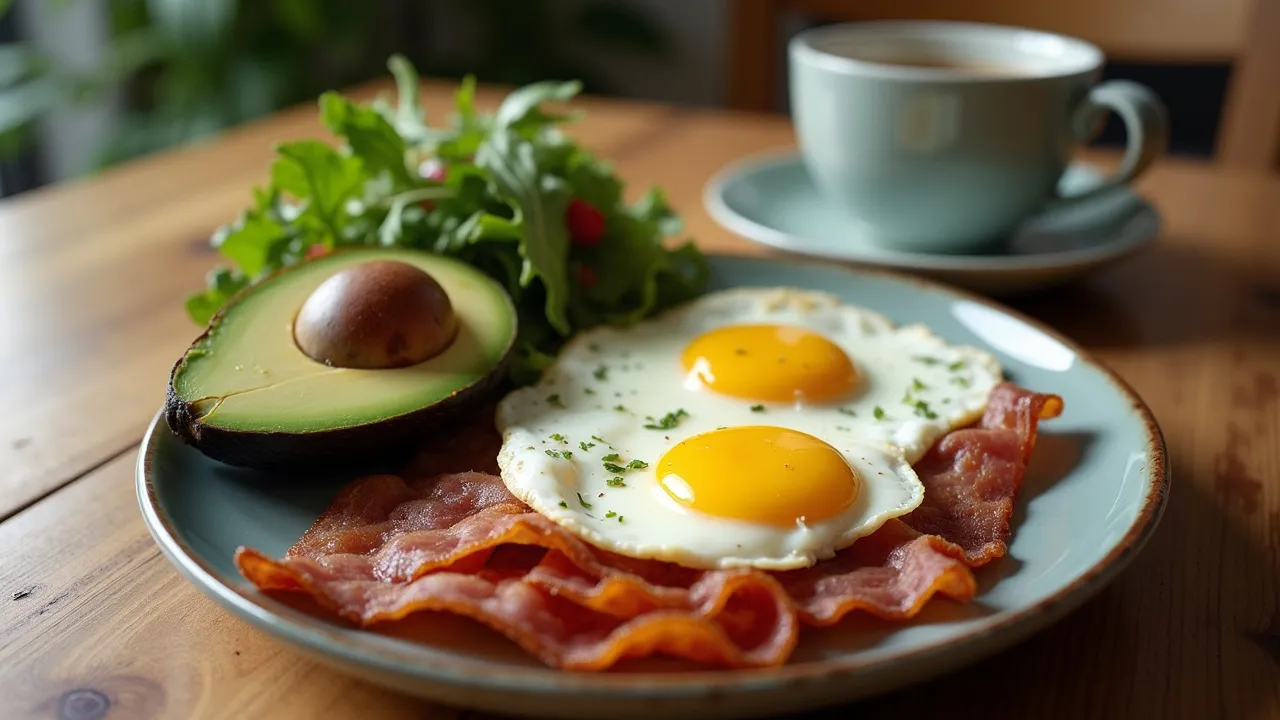
National Keto Day on January 5th celebrates the ketogenic diet, a low-carb, high-fat lifestyle that promotes weight loss, mental clarity, and metabolic health. Join millions in embracing keto-friendly meals and learning about its science-backed benefits.
The Historical Origins & Evolutionary Journey of National Keto Day
National Keto Day, observed annually on January 5th, emerged from the growing popularity of the ketogenic diet in the early 21st century. While the diet itself dates back nearly a century, the designated day was established around 2016 by a coalition of nutritionists, health bloggers, and keto advocates to celebrate and educate about the metabolic state of ketosis.
The Foundational Catalyst: The Ketogenic Diet's Medical Roots
The ketogenic diet was originally developed in the 1920s by Dr. Russell Wilder at the Mayo Clinic as a treatment for epilepsy in children. It mimicked the metabolic effects of fasting without malnutrition. The diet high in fats (about 80% of calories) and low in carbohydrates forced the body to produce ketones, which acted as an alternative fuel for the brain. This medical application persisted for decades, but its mainstream adoption didn't occur until the late 1990s and early 2000s.
The Modern Global Legacy: Mainstream Keto Boom
With the rise of low-carb advocates like Dr. Robert Atkins in the 1970s and later the glycemic index movement, the principles of keto gradually entered public consciousness. However, it was the 2010s invention of the "bulletproof coffee" and social media influencers that catapulted keto into a global phenomenon. National Keto Day was formalized to encourage people to try the diet, share recipes, and debunk myths. Today, it's celebrated with special menus at restaurants, online challenges, and educational webinars.
How to Celebrate National Keto Day: A Global Guide
Celebrating National Keto Day is about embracing a low-carb, high-fat lifestyle for a day or longer. Here are actionable strategies for individuals, families, and organizations.
For Individuals
- Meal Prep a Keto Feast: Cook a breakfast of eggs and avocado, a lunch of lettuce-wrapped burgers, and a dinner of salmon with asparagus. Use plenty of healthy fats like olive oil and butter.
- Try Intermittent Fasting: Combine keto with a 16:8 fasting window to amplify ketosis.
- Share Your Journey: Post a photo of your keto meal on social media with #NationalKetoDay.
For Families & Schools
- Organize a keto-friendly potluck where each person brings a low-carb dish.
- Host a documentary screening about metabolic health (e.g., The Magic Pill).
- In schools, teach students about energy metabolism through hands-on activities like making keto-friendly fat bombs.
Corporate & Community Events
Restaurants can offer a special keto menu. Health coaches can run free webinars. Gyms might host a "Keto Fit" challenge. The key is to promote awareness and provide support.
International Variations
While most regions follow January 5th, some countries align National Keto Day with local health awareness weeks. For example, in Australia, it often coincides with National Health & Wellbeing Week. In the UK, keto communities sometimes celebrate on the first Saturday of January. Adaptations reflect local cuisines: Japanese keto fans use seaweed and salmon, while Italians focus on cheese and cured meats.
Health Benefits and Scientific Evidence Behind the Ketogenic Diet
The ketogenic diet has been extensively studied for various health conditions. Below are the key benefits supported by research.
Weight Loss and Metabolic Syndrome
By drastically reducing carbohydrate intake, the body shifts from using glucose to burning fat for energy. This leads to rapid weight loss, especially visceral fat. Studies show that keto is often more effective than low-fat diets for short-term weight reduction.
Improved Blood Sugar Control
For type 2 diabetics, keto can reduce hemoglobin A1c levels and insulin requirements. It mimics the effects of fasting, improving insulin sensitivity.
Neurological Conditions
Beyond epilepsy, emerging research indicates ketones may protect against neurodegenerative diseases like Alzheimer’s and Parkinson’s. The brain's ability to use ketones provides an alternative energy source when glucose metabolism is impaired.
- Epilepsy: Classic medical application, especially in drug-resistant cases.
- Mental Clarity: Many report improved focus and reduced brain fog on keto.
However, caution is needed for individuals with pancreatic or liver conditions.
Common Myths and Misconceptions Debunked
Despite its popularity, the ketogenic diet is surrounded by myths. Let’s separate fact from fiction.
Myth 1: Keto Causes Heart Disease
False. While high in saturated fats, keto often improves cardiovascular markers like HDL cholesterol and triglycerides when foods are chosen wisely (e.g., olive oil, avocados, nuts).
Myth 2: You Can’t Eat Vegetables
Not true. Non-starchy vegetables (leafy greens, cruciferous) are encouraged for fiber and micronutrients. Only high-carb veggies like potatoes are limited.
Myth 3: Keto is a High-Protein Diet
Incorrect. Keto is moderate in protein (about 20% of calories). Excess protein can be converted to glucose via gluconeogenesis, hindering ketosis.
More Misconceptions
Keto Acidosis is Common: Dietary ketosis is different from diabetic ketoacidosis. Ketoacidosis only occurs in type 1 diabetics or severe health conditions.
You Must Eat Bacon Constantly: While allowed, quality matters. Focus on whole foods, not processed meats.
Keto-Friendly Recipes and Meal Planning for the Day
To celebrate National Keto Day, try these recipes that are delicious and compliant with under 20g net carbs per serving.
Breakfast: Avocado Bacon & Egg Cups
- Ingredients: 2 eggs, 1 avocado, 2 slices of bacon, salt, pepper.
- Instructions: Halve avocado and remove pit. Crack an egg into each half, wrap with bacon. Bake at 375°F for 15 min.
Lunch: Chicken Caesar Lettuce Wraps
Use romaine leaves as wraps instead of tortillas. Fill with grilled chicken, parmesan, and sugar-free Caesar dressing.
Dinner: Salmon with Creamed Spinach
- Season salmon fillets with dill and lemon.
- Sauté spinach in butter and heavy cream, add garlic.
- Serve together.
Snacks & Desserts
Fat bombs (coconut oil, cocoa powder, nuts) or cheese crisps. For dessert, a keto cheesecake made with almond flour crust and erythritol.
Global Impact and Industry Transformations Driven by Keto
The ketogenic diet has reshaped the food industry, healthcare, and cultural norms worldwide.
Food Industry Shift
Major food companies now offer keto-friendly product lines (e.g., Quest Nutrition, Halo Top). Supermarkets have dedicated low-carb aisles. The global keto market is projected to exceed $15 billion by 2027.
Medical and Fitness Integration
Many doctors now incorporate keto into diabetes management protocols. Fitness enthusiasts use it for endurance performance. This has led to a surge in certified keto coaches and specialized apps.
Cultural Adaptation
In countries like Brazil, keto adapts to local staples: replacing rice with cauliflower rice. In Japan, konjac noodles are a keto staple. National Keto Day is promoted through online communities, blogs, and YouTube channels, creating a virtual global celebration.
Future Trends: What's Next for Keto and National Keto Day?
As research evolves, so does the ketogenic lifestyle. Future trends include personalized keto based on genetic testing, targeted keto for athletes, and cyclic keto (carb refeeds). National Keto Day is expected to gain official recognition from health organizations and possibly become a state-recognized observance in some U.S. states. Digital tools like artificial intelligence meal planners will make adherence easier.
The day will continue to serve as a reminder of the benefits of metabolic flexibility and the importance of understanding one's own nutritional needs.
Historical Timeline
Dr. Russell Wilder at the Mayo Clinic first coins the term 'ketogenic diet' and uses it to treat epilepsy in children.
Dr. Robert Atkins publishes 'Dr. Atkins' Diet Revolution,' introducing a low-carb approach that lays groundwork for modern keto.
The Charlie Foundation is founded to promote the ketogenic diet as a treatment for epilepsy, spurring research.
The low-carb community grows with the rise of blogs and forums like Reddit's r/keto, established in 2008.
Social media explosion: #Keto hashtag gains millions of posts. Bulletproof coffee becomes a trend.
First observance of National Keto Day on January 5th, promoted by health influencers and diet entrepreneurs.
Keto becomes a top Google search trend. Restaurants start including keto-friendly options on menus.
Pandemic boosts home cooking and keto interest. Sales of keto products soar.
National Keto Day sees widespread corporate participation, with grocery chains offering special sales.