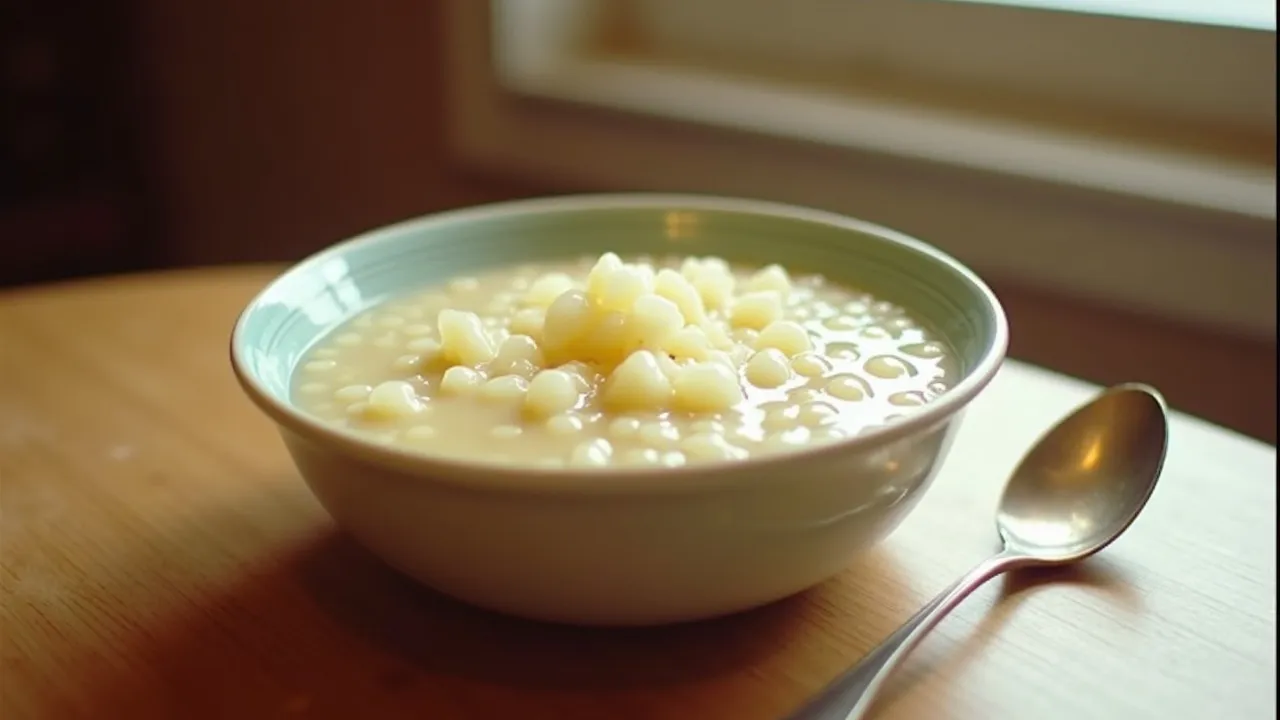
Celebrate Tapioca Pudding Day on July 15th by indulging in the creamy, pearl-filled dessert. Learn about its history, global variations, and how to make the perfect batch at home.
The Historical Origins & Evolutionary Journey
Tapioca pudding is a beloved comfort dessert with deep roots in South American and Caribbean culinary traditions. The key ingredient, tapioca pearls, are derived from the cassava root (Manihot esculenta), a staple crop cultivated by indigenous peoples for thousands of years. The observance of Tapioca Pudding Day every July 15th honors this humble yet versatile dessert.
The Foundational Catalyst: Cassava and Indigenous Ingenuity
Cassava was domesticated in present-day Brazil and Paraguay around 8,000 BCE. Indigenous groups like the Tupi-Guaraní developed methods to extract the toxic cyanide compounds from the root, turning it into safe, palatable flour and starch. Tapioca starch was produced by grating, soaking, and drying the cassava, then forming it into pearls or flakes. Tapioca pudding likely originated as a simple porridge made by boiling tapioca starch in water or milk, sweetened with honey or fruit. Portuguese explorers encountered this dish in the 16th century and brought tapioca back to Europe, where it evolved into a creamy dessert.
The Legislative/Official Adoption: From Home Kitchens to National Day
While there is no official government proclamation for Tapioca Pudding Day, its recognition as a national food holiday was driven by food bloggers, recipe websites, and the National Day Calendar in the early 2000s. The date July 15th was selected to coincide with the height of summer, when light, refreshing pudding is especially appealing. Social media platforms like Instagram and Pinterest further amplified the day, with home cooks sharing variations using coconut milk, mango, or chocolate.
Modern Global Legacy
Today, Tapioca Pudding Day is celebrated across the United States, Canada, the UK, and parts of Asia. It has become a symbol of culinary fusion, from traditional Brazilian “pudim de tapioca” to Southeast Asian “sago pudding” with palm sugar. The day also highlights the cassava industry, with millions of tons produced annually in Nigeria, Thailand, and Indonesia. Despite its humble beginnings, tapioca pudding remains a canvas for creativity and cultural exchange.
How to Celebrate Tapioca Pudding Day
Whether you are a seasoned cook or a novice, Tapioca Pudding Day offers countless ways to enjoy this classic dessert. Below are structured strategies for individuals, schools, and organizations.
For Individuals and Families
- Make traditional stovetop tapioca pudding using small pearl tapioca, whole milk, sugar, and vanilla. Soak the pearls overnight for the best texture.
- Experiment with dairy-free versions using almond milk, coconut milk, or oat milk. Coconut milk adds a tropical twist.
- Host a Tapioca Pudding Party: invite friends to bring a variation—chocolate, mango, or even a savory version with herbs.
- Share on social media with the hashtag #TapiocaPuddingDay and tag local food bloggers.
For Schools and Educational Institutions
- Classroom cooking demonstration: teach students the chemistry of starch gelatinization and the history of cassava.
- Cultural exchange day: explore how tapioca pudding is made in different countries, from Brazil to Vietnam.
- Fundraiser bake sale: sell homemade tapioca pudding cups to support school programs.
For Restaurants and Cafés
- Feature a special menu item: offer a gourmet version with toppings like fresh berries, caramel, or toasted coconut.
- Collaborate with local dairies to source fresh milk and promote farm-to-table ethos.
- Host a pudding tasting flight: serve small portions of three different flavors (vanilla, chocolate, and chai) alongside a brief history card.
Nutritional Profile and Health Benefits
Tapioca pudding is often considered a indulgent treat, but it offers some nutritional merits when prepared mindfully.
Macronutrient Composition
A standard serving (1 cup) made with whole milk contains approximately 250-300 calories, with 8-10 grams of fat, 45 grams of carbohydrates, and 7 grams of protein. Tapioca pearls are almost pure starch, providing quick energy. Using low-fat or plant-based milk can reduce the fat content.
Key Minerals and Vitamins
- Calcium: from milk supports bone health.
- Vitamin D: if fortified milk is used, aids calcium absorption.
- Iron: cassava provides small amounts of iron, though much is lost during processing.
- Magnesium: contributes to muscle function.
Health Considerations
Tapioca is gluten-free, making it suitable for those with celiac disease or gluten sensitivity. However, it has a high glycemic index, so diabetics should moderate portion sizes. Adding soluble fiber (e.g., chia seeds) or protein powder can improve the glycemic response. For a healthier twist, reduce added sugar and top with fresh fruit.
Tapioca Pudding Around the World
Tapioca pudding transcends borders, adapting to local palates and ingredients. Here is a survey of notable global variations.
Brazil: Pudim de Tapioca
Brazil’s version is often baked like a flan, with coconut milk and condensed milk. It features a caramel sauce and is commonly served during festivals like Festa Junina.
India: Sabudana Kheer
Made with sago pearls (another name for tapioca pearls), sabudana kheer is a popular fasting dish. It is flavored with cardamom, saffron, and nuts, and is especially common in Maharashtra and Uttar Pradesh.
Thailand: Sago Pudding with Palm Sugar
Thai sago pudding uses small tapioca pearls cooked in coconut milk, sweetened with palm sugar, and served with fresh mango or jackfruit. A drizzle of salty coconut cream adds a sweet-salty contrast.
United Kingdom: Tapioca Custard
British households often prepare tapioca in a custard style, with eggs and cream, and serve it warm with a pinch of nutmeg. It is a staple in school dinners and nostalgic comfort food.
West Indies: Fongee or Coo-Coo
In the Caribbean, tapioca flour is used to make a savory cornmeal-like dish called coo-coo (often with okra), but sweet tapioca pudding is also popular, flavored with cinnamon, vanilla, and rum.
Cultural Significance and Traditions
Tapioca pudding holds unique places in cultural rituals and daily life.
In South American Indigenous Cultures
Among the Yanomami and Tupi tribes, cassava is a sacred crop. Tapioca pudding was traditionally offered during harvest festivals and as a child’s first solid food, symbolizing nourishment and continuity.
In Southeast Asia
In the Philippines, ginataang sago (sago in coconut milk) is a staple afternoon snack, often sold from street stalls. In Vietnam, chè bà ba includes tapioca pearls with sweet potato and coconut cream, served at family gatherings.
In Western Modernity
In the United States and Europe, tapioca pudding has been a nursery food since the 19th century, often associated with childhood and comfort. It appears in classic cookbooks like Fannie Farmer and is still a popular choice in school cafeterias. Tapioca Pudding Day reinforces its nostalgic appeal while encouraging contemporary reinvention.
Industry and Economic Impact
The global tapioca market is a multi-billion dollar industry, with cassava production exceeding 300 million tons yearly. Tapioca pudding consumption drives demand for both raw starch and value-added products.
Global Cassava Production
Countries like Nigeria, Thailand, and Indonesia are the top producers. The starch is processed into various forms: pearls, flakes, flour, and instant pudding mixes. Thailand alone exports over 2 million tons of tapioca pearls annually.
Retail and Food Service
In the U.S., major brands like Kozy Shack and Jell-O offer shelf-stable tapioca pudding cups. Artisanal brands emphasize organic, non-GMO cassava and small-batch cooking. During July 15th, retailers often run promotions, and food blogs see a spike in recipe searches. The day also supports local dairies and fruit farms when consumers opt for fresh toppings.
Sustainability and Challenges
Cassava is a resilient crop that grows well in marginal soils, but monoculture farming can degrade land. Sustainable practices include intercropping with legumes and using cassava waste for bioenergy. Tapioca Pudding Day can raise awareness about ethical sourcing and fair trade for cassava farmers.
Fun Facts and Trivia
- Tapioca is a starch, not a grain; it is extracted from the cassava root through a process of washing, peeling, grating, and pressing.
- Bubble tea (boba) pearls are made from tapioca starch; they are chewy and often black from added caramel color.
- The largest tapioca pudding weighed over 2,000 pounds, prepared in the Netherlands in 2010.
- Tapioca pudding was a favorite dessert of President Thomas Jefferson, who served it at state dinners.
- Instant tapioca was invented in 1894 by a company that later became part of Kraft Foods.
- In the Philippines, tapioca flour is used to make “bilo-bilo” – sticky rice balls in sweet soup.
Historical Timeline
Cassava domesticated in South America. Indigenous peoples begin extracting starch to make primitive tapioca porridge.
Portuguese explorers introduce tapioca to Europe. Tapioca pudding becomes a luxury dessert in royal courts.
Instant tapioca is invented in the United States, making pudding preparation quicker and more accessible.
Tapioca pudding becomes a staple in American school lunch programs and home kitchens, featured in cookbooks like <em>Fannie Farmer</em>.
National Day Calendar declares July 15th as Tapioca Pudding Day, driven by food bloggers. The day gains traction on social media.
The largest tapioca pudding (over 2,000 pounds) is made in the Netherlands, setting a world record.
Tapioca Pudding Day sees global participation, with vegan and gluten-free variations trending online. Bubble tea's popularity also boosts interest in tapioca pearls.