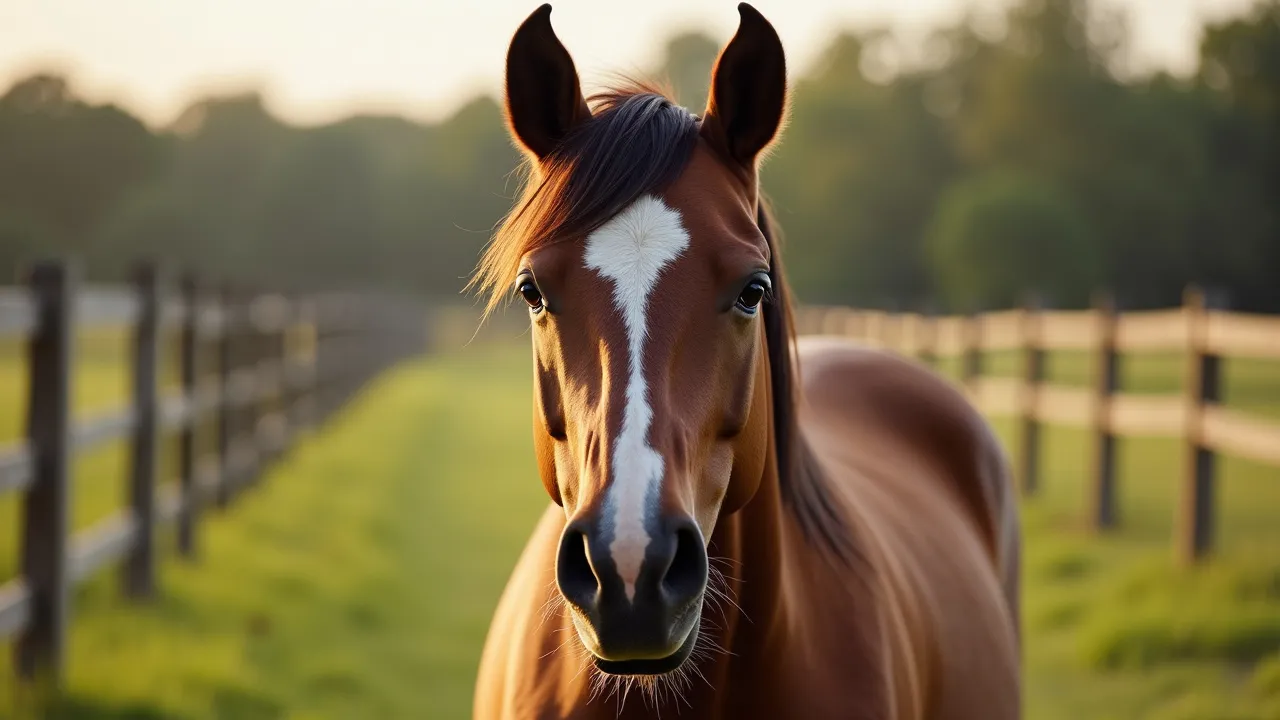
National I Love Horses Day on July 15 celebrates the deep bond between humans and horses. Discover the history of horse domestication, ways to honor these majestic animals, and the global impact of equine partnerships.
The Historical Origins of National I Love Horses Day
National I Love Horses Day, observed annually on July 15th, is a relatively modern celebration that emerged from the collective passion of equestrians and horse enthusiasts. Unlike historic equine festivals, this day was not decreed by royalty or government but grew organically through online communities and grassroots initiatives in the early 2000s. Its exact founder remains unknown, but it was popularized by social media campaigns and horse advocacy groups eager to dedicate a special day to the animals that have shaped human civilization.
The Foundational Catalyst
The catalyst for National I Love Horses Day was the increasing need to highlight the emotional and historical significance of horses. As mechanization reduced the reliance on horses for labor, many people lost daily contact with these animals. The day was created to rekindle appreciation, promote equine welfare, and educate the public about the ongoing partnerships between humans and horses in therapy, sports, and conservation.
Legislative and Official Adoption
While not a federal holiday in any country, National I Love Horses Day has been acknowledged by various equestrian organizations, including the American Horse Council and the British Horse Society. Some local governments in the United States have issued proclamations supporting the day, particularly in states with strong horseracing and breeding industries like Kentucky and Texas. The day is also recognized on numerous national day calendars and is celebrated across the globe.
Modern Global Legacy
Today, July 15th is marked by thousands of events worldwide, from stable open houses to virtual equine education sessions. The day has grown to encompass not only domestic horses but also wild horse conservation, such as the protection of America’s mustangs and Australia’s brumbies. Social media campaigns using hashtags like #ILoveHorsesDay and #HorseLove engage millions, sharing photos, stories, and fundraising efforts. The historic significance of horses in agriculture, transportation, and warfare is often featured in museum exhibits and educational programs on this day.
How to Celebrate National I Love Horses Day
Celebrating National I Love Horses Day can be as simple as spending time with a horse or as involved as organizing a community event. Below are structured strategies for individuals, families, schools, and organizations.
For Individuals and Families
- Visit a local stable or ranch: Spend time grooming, feeding, or simply observing horses. Many stables offer free guided tours on July 15th.
- Volunteer at a horse rescue: Help clean stalls, mend fences, or assist with adoptions. Organizations like the Equine Welfare Alliance have special volunteer days.
- Share your horse stories: Post on social media using official hashtags. Tag your horse or a memorable moment from riding lessons.
- Adopt or sponsor a horse: If you cannot own a horse, sponsor one at a rescue for a monthly fee. Many rescues have sponsoring programs.
For Schools and Educational Institutions
- Organize a horse-themed lesson day: Include history of horse domestication, anatomy, and famous horses in literature.
- Invite a farrier or veterinarian: A guest speaker can demonstrate hoof care or talk about equine health.
- Field trip to a therapeutic riding center: Students can learn how horses help people with disabilities.
For Organizations and Businesses
- Host a "Horse Day" event: Set up booths with educational materials, offer pony rides, and invite local artisans selling horse-themed crafts.
- Fundraise for equine charities: Proceeds from a bake sale or silent auction can go to a horse rescue or therapy program.
- Partner with riding schools: Offer discounted lessons or free demo rides to introduce new people to horsemanship.
Celebration Dynamics Across Cultures
In the United States, celebrations often involve Western riding demonstrations and rodeo-style activities. In the United Kingdom, the day coincides with summer shows and gymkhanas. In Australia, horse owners gather for trail rides and barbecue lunches. In countries like Mongolia, where horses are central to nomadic culture, the day is used to teach younger generations about traditional horse riding and herding skills. In Japan, some equestrian clubs hold special "Horse Appreciation" parades with decorated horses.
The Global Impact of Horses on Human Civilization
Horses have profoundly shaped human history, from ancient warfare to modern sports. Their domestication around 4000 BCE in the Eurasian steppes revolutionized travel, agriculture, and trade. On National I Love Horses Day, we reflect on this legacy.
Transportation and Trade
Before engines, horses were the primary means of long-distance travel. The Silk Road and other trade routes depended on horse caravans. The development of the chariot around 2000 BCE changed warfare and enabled the expansion of empires like Egypt and Rome. In the Americas, horses introduced by Spanish colonists transformed the lives of indigenous peoples, especially the Plains Indians.
Agriculture and Industry
Horses powered plows, threshers, and wagons, significantly boosting food production. In the 19th century, horses pulled canal barges, streetcars, and fire engines. The industrial revolution gradually replaced horses with machines, but their role in small-scale farming persists in many regions.
War and Conquest
Cavalry units were decisive in battles until World War I. The Mongol Empire under Genghis Khan used horse archers to conquer vast territories. During the American Civil War, horses were essential for logistics and reconnaissance. Even today, horses are used in military ceremonies and border patrols in rugged terrain.
Sports and Recreation
Horse racing, polo, show jumping, and dressage are major global sports. The Kentucky Derby attracts millions of viewers. Equestrian events are a staple of the Olympics. Recreational riding is enjoyed by over 30 million people in the United States alone, contributing to a multibillion-dollar industry.
The Role of Horses in Modern Therapy and Sports
Beyond their historical utility, horses play a vital role in human well-being through therapy and competitive sports. National I Love Horses Day highlights these modern partnerships.
Equine-Assisted Therapy
Therapeutic riding helps individuals with physical disabilities improve balance, coordination, and muscle strength. Programs like the Professional Association of Therapeutic Horsemanship (PATH) International serve thousands of clients. Equine-assisted psychotherapy is used for mental health conditions such as PTSD, anxiety, and depression. The rhythmic movement of a horse can reduce stress and improve emotional regulation.
Sports and Competition
Equestrian sports include disciplines such as dressage (precision movements), eventing (combined dressage, cross-country, and show jumping), and reining (cowboy-style patterns). The Fédération Équestre Internationale (FEI) governs international competitions. Horse racing is both a sport and a massive gambling industry, with events like the Dubai World Cup offering purses over $12 million.
Working Horses
In many parts of the world, horses are still used for police patrols, cattle ranching, and tourism. Police mounted units are effective in crowd control and search-and-rescue operations. In national parks, horses transport rangers to remote areas. These working horses are celebrated on July 15th for their continued service.
Horse Welfare and Conservation Efforts
National I Love Horses Day also serves as a platform to address the challenges facing horses worldwide, from neglect to extinction of wild populations.
Wild Horse Preservation
In the United States, the Bureau of Land Management manages under 50,000 wild mustangs on public lands. Overpopulation can cause ecological damage, leading to controversial roundups and sterilizations. Organizations like the American Mustang Foundation advocate for humane management. In Australia, brumbies are protected in some areas but culled in others to protect native wildlife.
Domestic Horse Welfare
Thousands of domestic horses are abandoned or sent to slaughter annually. Rescues like Last Chance Corral rehabilitate and rehome horses. Issues of overbreeding, especially in the racehorse industry, lead to unwanted horses. The Horse Protection Act in the US prohibits soring (pain infliction for gait) in show horses. Public awareness on July 15th encourages adoption and responsible ownership.
Global Conservation
Przewalski's horse, the only true wild horse species, was once extinct in the wild. Through captive breeding programs, they have been reintroduced to Mongolia. Other endangered equids, like the Grevy's zebra and the African wild ass, benefit from conservation funding raised during horse appreciation events.
The Future of Equine Partnerships
As technology advances, the role of horses continues to evolve. National I Love Horses Day encourages us to think about future relationships with these animals.
Sustainable Horsemanship
There is a growing movement toward natural horsemanship and ethical training methods that prioritize the horse's mental and physical well-being. Techniques like clicker training and liberty work reduce stress. Equine facilities are adopting sustainable practices such as solar-powered stables and composting manure.
Horses in the Digital Age
Online platforms connect horse lovers globally. Virtual riding lessons, telemedicine for equine vets, and equestrian e-sports (simulated riding) are emerging. However, the tangible bond with a horse remains irreplaceable. The day emphasizes spending real, quality time with horses.
Preserving Heritage Breeds
Many horse breeds, like the American Quarter Horse and the Arabian, are beloved but some rare breeds face extinction. The Livestock Conservancy lists 13 horse breeds as critical, including the Suffolk Punch and Shire. July 15th is an opportunity to support breed registries and preservation farms.
Ultimately, National I Love Horses Day is a reminder of the responsibility humans have to these magnificent creatures. By celebrating their past, present, and future, we ensure that the horse-human bond endures for generations.
Historical Timeline
Horses are first domesticated on the Eurasian steppes, revolutionizing transportation and warfare.
The chariot is developed, leading to vast empire expansions in Egypt, China, and the Near East.
Spanish colonists reintroduce horses to the Americas; the feral populations give rise to mustangs.
First official rodeo held in Pecos, Texas, establishing a sport that celebrates horse and rider skills.
National I Love Horses Day is first observed, spreading through online equestrian communities.
The American Horse Council officially recognizes July 15th as National I Love Horses Day.
During the COVID-19 pandemic, virtual events for the day see a spike in participation, including online therapy sessions with horses.