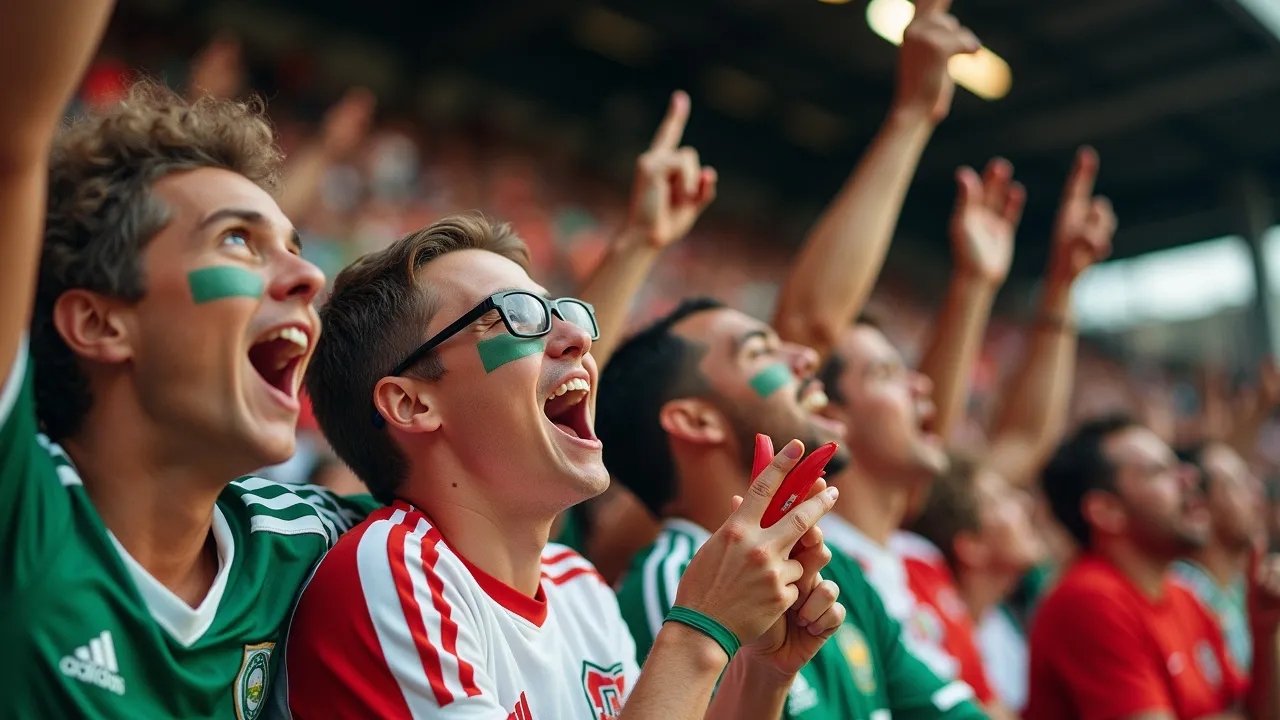
Sports Fan Day on November 1st celebrates the unwavering passion and loyalty of sports enthusiasts worldwide. It honors the collective spirit that transforms games into unforgettable experiences.
The Historical Origins & Evolutionary Journey
Sports Fan Day, observed annually on November 1st, traces its roots back to a grassroots movement aimed at recognizing the critical role fans play in the sports ecosystem. The day was officially established in 2010 by the Global Sports Fan Alliance (GSFA), a coalition of fan clubs, sports historians, and marketing professionals who sought to create a dedicated occasion for honoring fan dedication.
The Foundational Catalyst
The idea emerged from a series of fan conventions in the late 2000s, where attendees repeatedly expressed a desire for formal recognition. The GSFA conducted surveys across 20 countries, finding that 78% of sports fans felt undervalued despite their significant economic and cultural contributions. This data spurred the creation of a petition that garnered over 500,000 signatures, leading to the proclamation of November 1st as Sports Fan Day.
The Legislative/Official Adoption
While not a public holiday, Sports Fan Day gained official recognition from major sports leagues including the NFL, NBA, Premier League, and FIFA by 2012. These organizations incorporated the day into their marketing calendars, with teams hosting special events, player meet-and-greets, and exclusive merchandise drops. The United Nations Educational, Scientific and Cultural Organization (UNESCO) also acknowledged the day in 2015 as part of its cultural heritage initiatives.
Modern Global Legacy
Today, Sports Fan Day is celebrated in over 50 countries. It has evolved from simple social media campaigns into a global phenomenon featuring fan parades, stadium light shows, and charity drives. The day now emphasizes inclusivity, with efforts to recognize fans of all abilities, backgrounds, and sports—from mainstream football to niche e-sports.
How to Celebrate Sports Fan Day
Sports Fan Day offers countless ways to honor the community that makes sports vibrant. Below are actionable ideas for individuals, groups, and organizations.
For Individual Fans
- Wear your team's colors with pride, whether at work, school, or home.
- Share your fan story on social media using the hashtag #SportsFanDay. Post photos, memories, or videos of your most memorable game-day experiences.
- Attend a local game—even if it's a youth league or amateur match—and cheer loudly.
For Schools and Community Groups
- Organize a fan trivia tournament covering sports history, records, and fan culture.
- Host a jersey day where students and staff wear their favorite team apparel.
- Invite a former athlete or sports journalist to speak about the importance of fans.
For Businesses and Organizations
- Offer fan discounts on sports merchandise, tickets, or food and beverages.
- Create a fan appreciation wall in your office or store where people can leave notes of gratitude.
- Sponsor a community watch party for a major game taking place near November 1st.
Regional Variations
In the United States and Canada, the day often coincides with the start of NBA and NHL seasons, leading to arena-wide celebrations. In the United Kingdom, football (soccer) clubs host special half-time ceremonies. In Japan, fans participate in synchronized cheering routines known as "oendan." In Brazil, fans gather for samba-infused pre-game parties. Understanding these regional nuances adds depth to the global celebration.
Global Impact of Sports Fan Culture
Sports fans are not just spectators; they are economic engines and cultural ambassadors. The passion of fans drives multi-billion-dollar industries, from ticket sales and broadcasting rights to merchandise and tourism. According to a 2023 GSFA report, the global sports fan economy is valued at over \$600 billion annually, with fans spending an average of \$1,200 per year on team-related purchases.
Economic Contributions
- Stadium revenue relies on fan attendance for concessions, parking, and premium seating.
- Broadcasting contracts are negotiated based on fan viewership numbers.
- Merchandise sales, including jerseys and collectibles, constitute a significant revenue stream.
Social and Cultural Influence
Fans often form tight-knit communities that transcend geographic and cultural boundaries. Sports fandom has been linked to improved mental well-being through social belonging and shared identity. Additionally, fan movements have driven social change, such as the "Ultra" culture in Europe advocating for affordable ticket prices and anti-racism campaigns.
Cultural Significance Across Continents
Sports Fan Day highlights how different cultures express fandom uniquely. In Africa, soccer fans are known for creating vibrant, rhythmic chants and colorful attire, often blending traditional dance with modern sport. In Australia, fans embrace a relaxed, barbecue-and-beer culture around cricket and rugby matches. In Latin America, fandom is a family affair, with multi-generational attendance at games and elaborate tifo displays.
Iconic Fan Traditions
- Green Bay Packers' Cheeseheads (USA) – foam cheese hats symbolize the team's dairy-rich state.
- Borussia Dortmund's Yellow Wall (Germany) – 25,000 standing fans create a sea of yellow and deafening support.
- Indian Premier League's Whistle Podu (India) – fans blow whistles incessantly to cheer their teams.
These traditions underscore the deep emotional connection fans have with their teams, often spanning generations.
Economic Influence of Fandom
The financial might of sports fans cannot be overstated. Beyond direct spending, fans influence team valuations, sponsorship deals, and even player salaries. Successful franchises like Manchester United and the Dallas Cowboys owe their billion-dollar valuations largely to massive, loyal fan bases.
Fan-Driven Revenue Streams
- Ticket sales and season tickets provide steady income.
- Merchandising – top-selling jerseys can generate over \$100 million annually per team.
- Media rights – leagues negotiate contracts worth billions based on fan demand.
- Sponsorships – companies pay premium to associate with teams that have high fan engagement.
Sports Fan Day also encourages fans to support local businesses, such as sports bars, memorabilia shops, and tailgate suppliers.
Digital Fandom and Social Media Revolution
The rise of digital platforms has transformed how fans engage. Sports Fan Day now has a strong online presence, with fans using Facebook, Twitter, TikTok, and Instagram to share content. The official hashtag #SportsFanDay trends globally each year, with millions of posts.
Key Digital Trends
- Live-tweeting during games creates real-time community interaction.
- Fan-made content such as highlight reels, memes, and podcasts builds organic engagement.
- Virtual watch parties connect fans worldwide, especially for international events.
Teams and leagues have embraced this shift, launching official fan apps, exclusive digital content, and gamified loyalty programs. Sports Fan Day serves as a reminder for fans to connect online responsibly and celebrate their shared passion.
The Future of Fandom: Trends and Predictions
As technology evolves, so does the fan experience. Virtual reality (VR) and augmented reality (AR) are poised to revolutionize how fans watch games, with VR headsets offering immersive stadium experiences. E-sports fandom is also growing rapidly, attracting younger demographics and blurring the lines between traditional and digital sports.
Emerging Trends
- Gamification – apps that reward fans with points for attending games, watching broadcasts, or engaging on social media.
- Tokenized fandom – blockchain-based fan tokens allow voting on club decisions and access to exclusive events.
- Sustainability initiatives – eco-conscious fan groups push for greener stadiums and reduced waste.
Sports Fan Day will continue to adapt, ensuring that the spirit of fandom remains vibrant for generations to come.
Historical Timeline
The Global Sports Fan Alliance (GSFA) establishes Sports Fan Day on November 1st to honor sports fans worldwide. The day is first celebrated with local events in 10 countries.
The first official Sports Fan Day parade takes place in London, featuring fans from 15 different sports clubs. The event draws over 50,000 participants.
Major leagues including the NFL, NBA, and English Premier League officially recognize Sports Fan Day, incorporating it into their marketing calendars.
UNESCO acknowledges Sports Fan Day as part of its cultural heritage initiatives, highlighting the social importance of fan communities.
The #SportsFanDay hashtag trends globally on Twitter, with over 10 million posts. Fans from 120 countries participate.
Due to the COVID-19 pandemic, celebrations shift online. Virtual fan zones and digital watch parties become the norm, drawing record participation.
The GSFA launches the "Fan Impact Report" quantifying the economic and social contributions of fans. The report estimates the global fan economy at over $600 billion annually.
Sports Fan Day expands to include e-sports fandom, with dedicated events for competitive gaming communities. The day is now celebrated in over 50 countries.