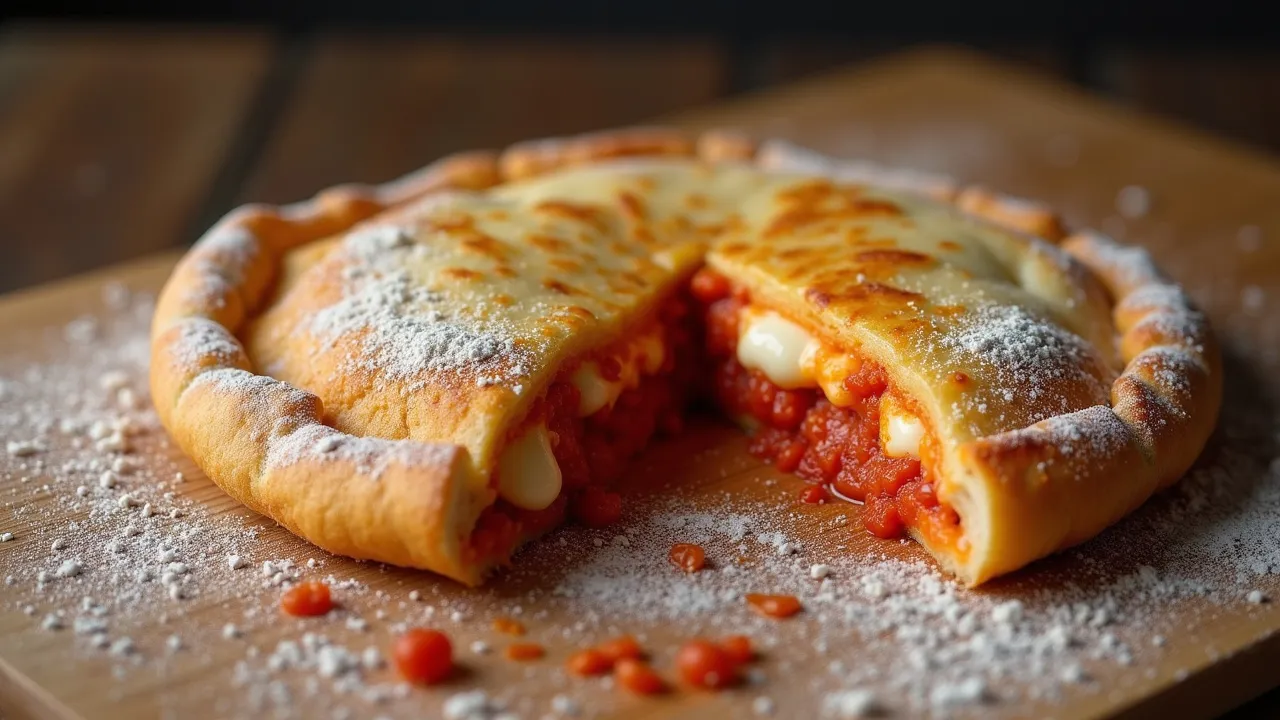
National Calzone Day, celebrated on November 1st, honors the folded Italian pizza pocket. This day encourages everyone to enjoy calzones, a versatile baked pastry filled with cheese, meats, and vegetables, and to appreciate its rich culinary history.
The Historical Origins & Evolutionary Journey of National Calzone Day
The Foundational Catalyst: The Birth of the Calzone
The calzone, a staple of Italian cuisine, originated in Naples in the 18th century. The term "calzone" translates to "stocking" or "trouser leg" in Italian, referencing its folded shape. Unlike pizza, which is open-faced, the calzone encloses its toppings within a dough pocket, preventing the fillings from spilling. This design was practical for street vendors and workers who needed a portable meal. Traditionally, calzones are filled with ricotta, mozzarella, salami, and vegetables, then baked or fried.
The Legislative/Official Adoption: How National Calzone Day Came to Be
National Calzone Day emerged in the early 2000s as a grassroots marketing initiative by pizzerias and Italian restaurants. The exact founder is obscure, but the first recorded celebration was around 2005, promoted by food chains to boost sales after Halloween. The date November 1st was chosen strategically, following the candy-heavy Halloween, offering a savory alternative. Over time, the day gained traction on social media, with foodies sharing homemade calzone recipes and restaurants offering special deals.
Modern Global Legacy: The Cultural Shift
Today, National Calzone Day is observed globally, especially in the United States, Italy, and the United Kingdom. It has transcended its commercial origins to become a day of culinary experimentation. Chefs innovate with fillings ranging from traditional Italian ingredients to global flavors like pulled pork, buffalo chicken, or vegan alternatives. The day also highlights the calzone's role in street food culture and its adaptability to dietary trends like gluten-free and plant-based diets.
How to Celebrate National Calzone Day
Ultimate Global Celebration Guide
National Calzone Day can be celebrated in numerous ways, from cooking at home to dining out. Below are actionable strategies for individuals, families, schools, and organizations.
For Individuals & Families
- Master the Dough: Start from scratch with a simple pizza dough recipe using flour, yeast, water, and olive oil. Let it rise for at least an hour.
- Choose Your Fillings: Classic options include ricotta, mozzarella, pepperoni, and mushrooms. For a twist, try BBQ chicken, spinach and feta, or dessert calzones with Nutella and bananas.
- Fold and Seal: Roll out dough into circles, place filling on one half, fold over, and crimp edges with a fork. Brush with egg wash for a golden crust.
- Bake or Fry: Bake at 450°F (230°C) for 15-20 minutes until golden. Alternatively, deep-fry for a crispy exterior.
- Dip and Enjoy: Serve with marinara sauce, garlic butter, or ranch dressing.
For Schools & Educational Institutions
- Cooking Classes: Organize a hands-on session where students learn to make calzones, integrating lessons on Italian culture and food science.
- Cultural Day: Pair calzone-making with presentations on Neapolitan history and the evolution of street food.
For Organizations & Businesses
- Employee Potluck: Host a calzone potluck where staff bring homemade or store-bought calzones. Offer prizes for the most innovative recipe.
- Charity Fundraiser: Partner with a local pizzeria to donate a portion of the day's sales to a hunger-relief organization.
Regional Celebrations Around the World
United States: Pizzerias like Pizza Hut and Domino's often feature calzone specials. Home cooks share recipes on social media using #NationalCalzoneDay.
Italy: In Naples, authentic calzones are still prepared in wood-fired ovens. Festivals may feature calzone-making contests.
United Kingdom: Italian restaurants offer lunch deals, and supermarkets stock ready-made calzones for quick celebrations.
The Culinary Art: Anatomy of a Perfect Calzone
Dough: The Foundation
The perfect calzone starts with a well-hydrated dough. A 70% hydration ratio (700g water per 1000g flour) yields a chewy, airy crust. Allowing the dough to cold-ferment for 24-48 hours develops flavor. Stretching by hand, not rolling pin, preserves air bubbles.
Filling: The Soul
Traditional fillings balance creamy and salty components. Ricotta adds moisture, while mozzarella provides stretch. Meats like prosciutto or salami contribute saltiness. Vegetables should be pre-cooked to avoid releasing water. Seasonings like oregano, basil, and garlic powder enhance depth.
Baking: The Final Act
Bake at high heat (450-500°F) on a preheated pizza stone or baking sheet. Steam escapes through small slits cut in the top, preventing sogginess. The ideal internal temperature is 165°F (74°C). Brush with olive oil or butter post-bake for a glossy finish.
Comparison with Pizza
While both share dough and toppings, the calzone's enclosed shape creates a different eating experience: the fillings remain moist and steamy, and the crust-to-topping ratio is higher. Calzones are often served with dipping sauces, while pizza is sauced on top.
Nutritional Profile & Dietary Adaptations
Standard Nutritional Breakdown
A typical 8-inch calzone with cheese, meat, and dough contains approximately 600-800 calories, 25g protein, 30g fat, and 70g carbs. Exact values depend on ingredients and portion size.
Healthy Modifications
- Low-Carb: Use a cauliflower crust or portobello mushroom caps as the base.
- Gluten-Free: Substitute almond flour or commercial gluten-free flour blends.
- Vegan: Fill with vegan cheese, tofu ricotta, and roasted vegetables. Use egg wash alternative like aquafaba.
- High-Protein: Add extra chicken, turkey sausage, or beans. Use Greek yogurt in the dough.
Calzone for Special Diets
For keto, opt for fathead dough (mozzarella, cream cheese, almond flour). For paleo, use cassava flour and fill with grass-fed meats and vegetables. Always check hidden sugars in sauces.
The Economic & Cultural Impact of National Calzone Day
Boost to the Food Industry
National Calzone Day drives significant sales for pizzerias, Italian restaurants, and grocery stores. According to industry reports, calzone orders can increase by 30% on November 1st. Frozen calzone brands like DiGiorno see a spike in sales. Small businesses leverage the day to promote their unique recipes, often creating limited-edition flavors.
Social Media Phenomenon
The day generates thousands of posts on Instagram, Twitter, and TikTok under #NationalCalzoneDay. Food influencers host live cooking streams, and brands launch contests encouraging users to share their calzone creations. The hashtag trend often peaks around dinner time, creating a sense of shared celebration.
Cultural Exchange and Innovation
National Calzone Day encourages cross-cultural fusion: sushi calzones, taco calzones, and dessert calzones. It also highlights the calzone's role as a comfort food that brings people together. In multicultural societies, the day serves as an entry point for exploring Italian heritage while adapting to local tastes.
Calzone vs. Other Folded Dough Dishes
Calzone vs. Stromboli
While often confused, calzones and stromboli differ. Calzones are crescent-shaped, made from pizza dough, and typically filled with ricotta. Stromboli is rolled like a jelly roll, sliced, and usually contains mozzarella and meats. Both are baked, but stromboli often has sauce inside, while calzone sauce is served on the side.
Calzone vs. Empanada
Empanadas originated in Spain and Latin America, using corn or wheat dough, often fried. Fillings include beef, chicken, or fruit. Empanadas are smaller, hand-held, and have a crimped edge. Calzones are larger, baked or fried, and exclusively Italian-rooted.
Calzone vs. Pastizz
The Maltese pastizz is a flaky pastry filled with ricotta or peas, similar to a calzone but made with puff pastry. Pastizzi are typically fried and served as street food.
Understanding these distinctions enriches appreciation for global cuisine and the calzone's unique place in it.
Historical Timeline
The calzone is believed to have originated in Naples, Italy, as a portable meal for workers. Early versions were filled with leftover ingredients and fried in lard.
Calzones become popular among street vendors in Naples, often sold along with pizza. The recipe evolves to include tomatoes, mozzarella, and anchovies.
Italian immigrants introduce calzones to the United States, particularly in cities like New York and Chicago. They appear on menus in Italian-American pizzerias.
National Calzone Day is first promoted by food marketers, likely pizzerias or food chains, setting the date as November 1st to capitalize on post-Halloween appetite for savory food.
The day gains traction on social media platforms like Facebook and Twitter, with users posting calzone recipes and photos using hashtags.
During the COVID-19 pandemic, National Calzone Day sees a surge in home baking. Online searches for calzone recipes increase by 150% compared to previous years.
National Calzone Day is celebrated globally, with major pizza chains offering discounts and limited-edition calzones. Vegan and gluten-free calzones become mainstream options.