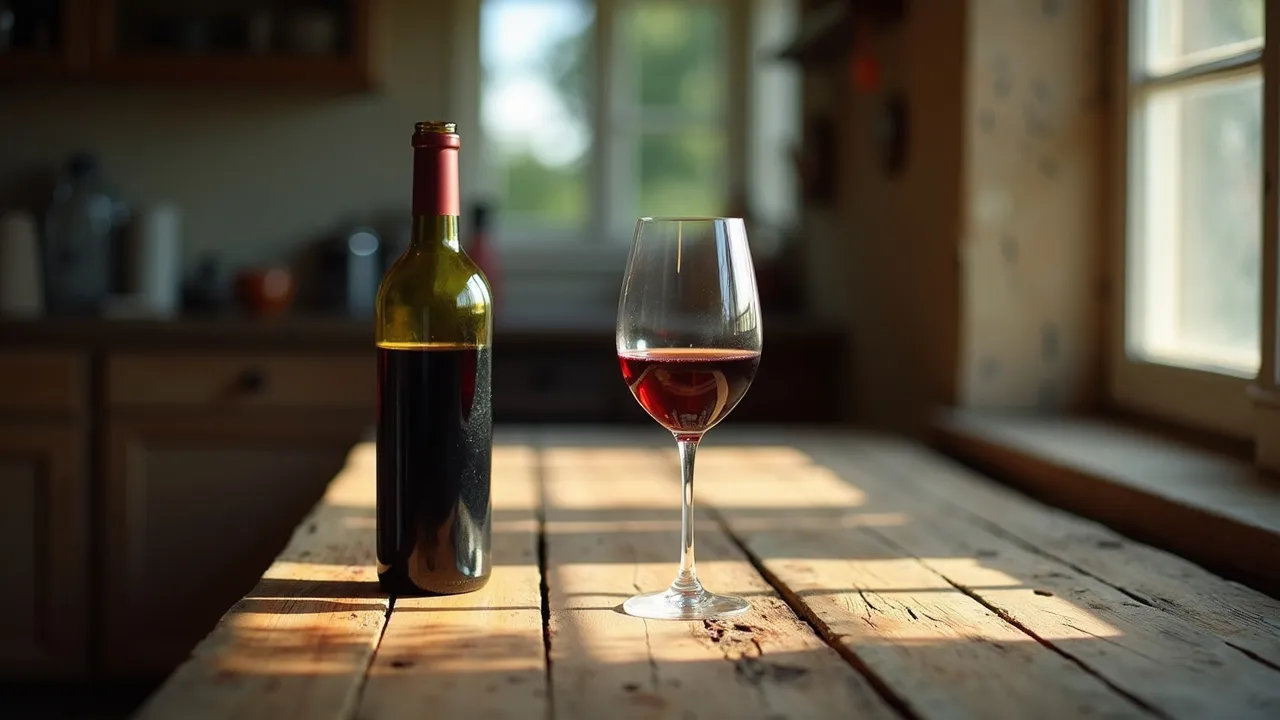
Red Wine Day on August 28th celebrates the rich heritage and health benefits of red wine. Explore its ancient origins, global traditions, and modern-day festivities.
The Historical Origins & Evolutionary Journey
Red wine has been a cornerstone of human civilization for over 8,000 years. The observance of Red Wine Day on August 28th, while lacking a single founder, grew organically from the wine industry's marketing efforts and consumer appreciation movements in the late 20th century. Its date may coincide with the peak of the northern hemisphere grape harvest, making it a natural celebration of the vintage.
The Foundational Catalyst
Archaeological evidence from Georgia (the country) suggests the first fermented grape beverages appeared around 6000 BCE. The ancient Egyptians, Greeks, and Romans all revered red wine, using it in religious rituals, medicine, and daily life. The Roman Empire's expansion spread viticulture across Europe, establishing the foundation for today's major wine regions.
The Legislative/Official Adoption
While no government has officially proclaimed August 28th as Red Wine Day, the date gained traction through social media campaigns and wine retailer promotions in the 2000s. The day is now widely recognized in the United States, with wineries offering tastings, discounts, and educational events. Some speculate it was chosen to bridge the gap between the end of summer and the beginning of harvest season.
Modern Global Legacy
Today, Red Wine Day is celebrated in wine-producing countries worldwide, from France and Italy to Australia and Chile. It serves as a reminder of wine's cultural significance and economic impact, with the global wine market valued at over $340 billion. The day also promotes moderate consumption for health benefits, such as resveratrol's antioxidant properties.
How to Celebrate Red Wine Day
Red Wine Day is an opportunity to explore, enjoy, and share the world of red wines. Below are actionable strategies for individuals, groups, and organizations.
For Individuals & Couples
- Host a tasting flight: Sample 3-5 different red varietals (e.g., Cabernet Sauvignon, Pinot Noir, Malbec) and compare flavor profiles.
- Pair with food: Prepare a meal that complements a specific red wine, such as Coq au Vin with Burgundy.
- Visit a local winery: Many offer special tours, tastings, or discounts on August 28th.
- Learn wine basics: Read a book or watch a documentary on wine regions and production.
For Groups & Parties
- Organize a blind tasting competition: Guests guess the varietal and vintage.
- Create a wine and chocolate pairing station: Pair dark chocolate with Zinfandel.
- Host a "red wine only" potluck: Guests bring a dish that uses red wine as an ingredient.
- Decorate with grapevines and wine barrels to set the mood.
For Organizations & Schools
- Wine industry groups can host educational seminars on sustainable viticulture.
- Schools can teach about the chemistry of fermentation and the geography of wine regions.
- Restaurants can feature a special wine-pairing menu for the day.
Global Celebrations
In France, August 28th may coincide with local harvest festivals. In Italy, it's common to toast with a glass of Chianti. In South America, Malbec tastings are popular. The day is a global invitation to appreciate red wine's diversity and heritage.
Health Benefits & Nutritional Impact
Moderate consumption of red wine has been associated with several health benefits, thanks to compounds like resveratrol, quercetin, and proanthocyanidins. These antioxidants combat oxidative stress and inflammation.
Cardiovascular Health
The "French Paradox"—low heart disease rates despite a diet rich in fats—is partly attributed to moderate red wine consumption. Studies show that resveratrol improves endothelial function and reduces LDL oxidation. The American Heart Association advises no more than one drink per day for women and two for men.
Longevity & Cognitive Function
Resveratrol activates sirtuins, proteins linked to cellular repair and longevity. Some research suggests it may reduce the risk of Alzheimer's disease by diminishing amyloid-beta plaque formation. However, excessive alcohol intake negates these benefits and increases cancer risk.
Nutritional Profile
A 5-ounce glass of red wine contains about 125 calories, with trace amounts of iron, potassium, and B vitamins. It is rich in polyphenols, which support gut microbiota diversity.
Major Red Wine Varietals & Regions
Red wine is made from hundreds of grape varieties, each with unique characteristics shaped by terroir. Below are the most iconic types and their regions of excellence.
Cabernet Sauvignon
Originating in Bordeaux, France, this full-bodied wine is known for its dark fruit flavors and firm tannins. Top regions include Napa Valley, Coonawarra (Australia), and Maipo Valley (Chile).
Pinot Noir
A thin-skinned grape from Burgundy, France, producing elegant, red berry–forward wines. Other prestigious regions: Sonoma Coast, Central Otago (New Zealand), and Oregon's Willamette Valley.
Malbec
Originally from Cahors, France, but now the flagship of Argentina (Mendoza). Known for its plush, dark fruit and violet notes.
Syrah/Shiraz
Syrah from the Rhône Valley (France) yields spicy, peppery wines; Shiraz from Australia (Barossa Valley) offers riper, fruit-forward styles.
Other Notable Varietals
- Merlot: Soft, medium-bodied from Bordeaux and Washington State.
- Zinfandel: Fruity and jammy, a specialty of California.
- Sangiovese: The backbone of Chianti and Brunello.
- Tempranillo: Spain's noble grape for Rioja and Ribera del Duero.
Red Wine in Culture & Religion
Red wine holds profound symbolic and ritualistic roles across cultures. In Christianity, it represents the blood of Christ during Eucharist. In Judaism, it is used for Kiddush on Shabbat and holidays. Ancient Greeks associated wine with Dionysus, the god of festivity and ecstasy.
Wine in Literature & Art
From Ernest Hemingway's "A Moveable Feast" to Botticelli's "Bacchus and Ariadne," red wine has inspired countless works. The phrase "in vino veritas" (in wine, truth) underscores its role as a social lubricant that reveals inner thoughts.
Modern Cultural Festivals
Events like La Fête des Vendanges (Montmartre), the Wine Harvest Festival (Germany), and the International Pinot Noir Celebration (Oregon) celebrate red wine's cultural footprint. Red Wine Day itself is a modern addition to this tapestry, uniting enthusiasts worldwide.
Economic & Environmental Impact of the Red Wine Industry
The red wine sector is a major economic driver. The global wine market is projected to reach $450 billion by 2028, with red wine accounting for over 50% of sales. Top producers include Italy, France, Spain, the US, and Australia.
Sustainable Viticulture
Climate change poses challenges: rising temperatures shift ripening patterns and threaten traditional regions. Many wineries now adopt organic, biodynamic, and regenerative farming practices to reduce water use and carbon footprint. For instance, California's Sustainable Winegrowing Program covers 80% of the state's vineyard acreage.
Trade & Tourism
Wine tourism generates billions annually, with regions like Tuscany, Napa Valley, and Bordeaux drawing millions of visitors. Red Wine Day boosts local economies by driving tastings, sales, and hospitality revenue.
Historical Timeline
Earliest evidence of winemaking in Georgia (country). Red wine likely discovered by accident via fermented grape juice.
Egyptian tomb paintings depict winemaking process, showing red wine used in funerary rituals.
Roman Emperor Probus lifts ban on viticulture in Gaul, spurring growth of European wine regions.
Thomas Jefferson, a noted wine connoisseur, brings European vine cuttings to America, influencing early US wine industry.
Louis Pasteur discovers fermentation process, leading to controlled wine production and quality improvements.
The Judgement of Paris: California wines beat French favorites in a blind tasting, elevating New World wines.
60 Minutes airs 'The French Paradox' segment, boosting red wine's health image and sales.
Social media campaigns begin promoting August 28th as Red Wine Day, gaining momentum among wine lovers.
During COVID-19 lockdowns, Red Wine Day trends online as consumers embrace home tasting experiences.