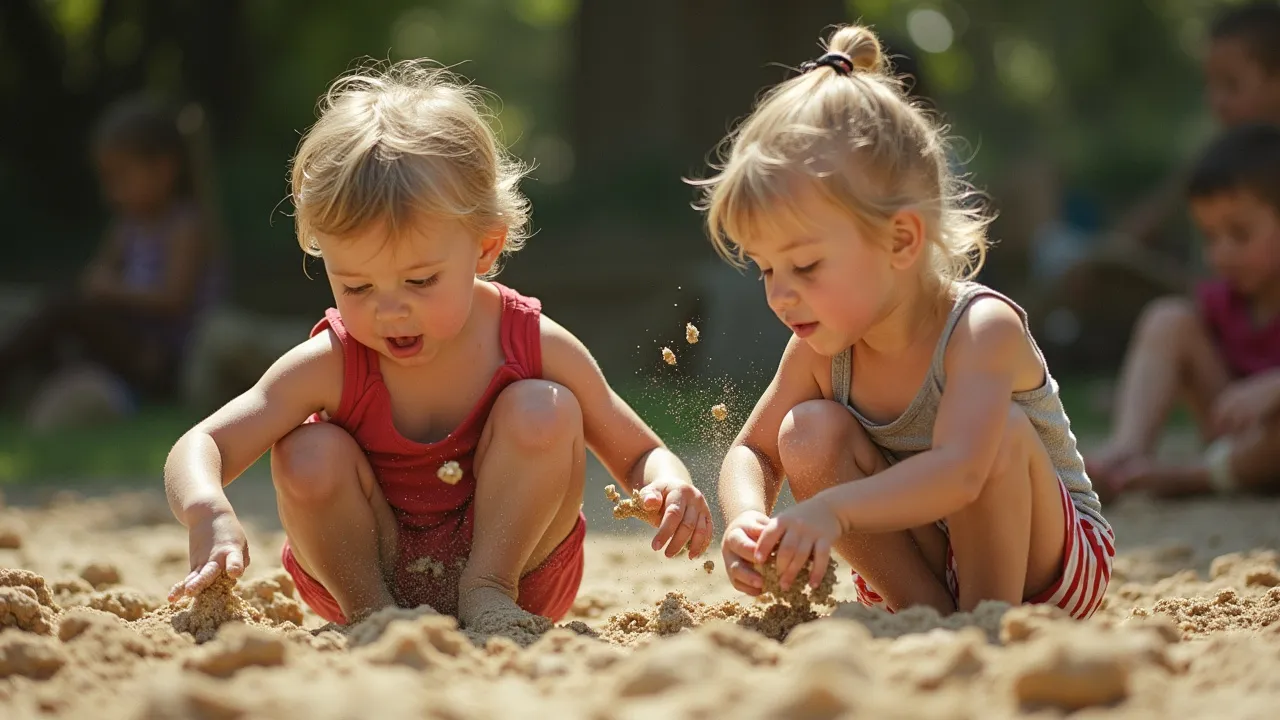
Play in the Sand Day on August 11th encourages kids and adults to explore the tactile joy of sand play, promoting creativity, sensory development, and outdoor fun. Discover its history and how to celebrate.
The Historical Origins & Evolutionary Journey
Play in the Sand Day, observed annually on August 11th, is a celebration of one of humanity's simplest yet most profound play activities: playing in sand. While the exact origins of the day remain obscure, its roots trace back to ancient civilizations and the universal appeal of sand as a play medium. This section explores the historical trajectory from early sand play to the modern observance.
The Foundational Catalyst
Sand play is as old as human civilization. Ancient Egyptians, Greeks, and Romans used sand for recreational and educational purposes. Children naturally gravitated toward sandy shores and deserts, building structures, drawing, and engaging in tactile exploration. The first recorded sandbox, or 'sand garden,' appeared in Germany in the 19th century as part of the Froebel kindergarten movement, emphasizing learning through play. Friedrich Froebel, a pioneer of early childhood education, introduced sand play to develop fine motor skills and creativity. By the early 1900s, sandboxes became common in playgrounds worldwide.
The Legislative/Official Adoption
Unlike many official holidays, Play in the Sand Day emerged organically from grassroots advocacy and social media campaigns. In the early 2000s, parenting blogs and early childhood educators began promoting a dedicated day to encourage outdoor play and combat 'nature deficit disorder.' The National Day Calendar, a US-based registry, officially listed August 11th as Play in the Sand Day around 2015, though no single founder is documented. The date was likely chosen to coincide with the northern hemisphere summer, when sand play is most accessible. Several toy companies and sandbox manufacturers adopted the day for marketing, but its official status remains informal.
Modern Global Legacy
Today, Play in the Sand Day is celebrated in over 30 countries, including the United States, Canada, Australia, and parts of Europe. It has evolved from a children's activity to an intergenerational event, with adult sandcastle competitions and therapeutic sand play for mental health. The day underscores the importance of unstructured, sensory-rich play in child development and community bonding. Social media platforms amplify celebrations with hashtags like #PlayInTheSandDay and #SandPlayFun, sharing creative sand sculptures and family moments. The legacy continues to grow as researchers highlight sand play's benefits in reducing stress, fostering creativity, and encouraging environmental stewardship.
How to Celebrate Play in the Sand Day
Play in the Sand Day offers endless opportunities for fun and learning. Whether you're an individual, a family, a school, or an organization, here are comprehensive strategies to make the most of this day. Remember that sand play is not limited to beaches; sandboxes, playgrounds, and even indoor kinetic sand provide alternatives.
For Individuals and Families
- Visit a Beach or Sandbox: Head to a local beach, lake shore, or sand-filled playground. Build sandcastles, dig trenches, or simply run your hands through the sand. Use buckets, spades, and molds for structured play, or embrace free-form creativity.
- Create Sand Art: Sculpt animals, characters, or abstract forms. Add natural materials like shells, pebbles, and driftwood. For a longer-lasting project, use damp sand and spray with a water-vinegar mixture to harden.
- Organize a Sand Treasure Hunt: Bury small toys, coins, or gems in the sand and let children dig for them. This enhances problem-solving and gross motor skills.
- Have a Sand Sensory Bin: For indoor or controlled play, fill a bin with clean play sand and add scoops, funnels, and miniature toys. This is especially suitable for toddlers or rainy days.
- Host a Sandcastle Competition: Invite neighbors or friends to a friendly contest. Categories can include 'Tallest Tower,' 'Most Creative Design,' or 'Best Replica of a Landmark.'
For Schools and Educational Institutions
- Integrated Learning Stations: Set up sand tables with measuring cups, scales, and magnifying glasses to teach math, science, and observation. Discuss erosion, grain size, and sedimentation.
- Sand Writing and Drawing: Use sticks or fingers to write letters, numbers, or draw shapes in the sand. This kinesthetic activity reinforces literacy and numeracy.
- Cultural Sand Traditions: Teach students about sand painting from Navajo culture, Zen rock gardens from Japan, or sand mandalas from Tibetan Buddhists. Connect art and social studies.
For Organizations and Communities
- Public Sand Play Events: Parks and recreation departments can host free beach days with extra sand, toys, and lifeguards. Include face painting, water play, and educational booths.
- Corporate Team Building: Companies can organize sand sculpture challenges for employees. It's a low-pressure, creative activity that boosts collaboration and morale.
- Charity Sandcastle Builds: Partner with local charities to build large-scale sandcastles that raise awareness for causes like children's health or environmental conservation. Donate proceeds to related nonprofits.
Global Variations and Unique Traditions
- Japan: Sand play is often part of beach clean-ups combined with art, reflecting the cultural value of harmony with nature.
- Australia: Many councils host 'Sand Safari' events with professional sculptors demonstrating techniques.
- Brazil: Sand play merges with carnival spirit; children and adults alike build elaborate sand cities along Copacabana Beach.
- United Arab Emirates: Desert camps offer sandboarding and dune building, blending traditional and modern play.
The Science of Sand Play: Developmental Benefits
Sand play is not just fun; it is a critical component of childhood development and adult well-being. Extensive research in occupational therapy, early childhood education, and psychology underscores the multifaceted benefits of tactile play with sand.
Sensory Integration and Motor Skills
Playing in sand engages multiple senses simultaneously—touch, sight, sound, and even smell. The varying textures of wet and dry sand provide rich sensory input that helps children integrate sensory information. Fine motor skills are honed through scooping, pouring, pinching, and molding. Gross motor skills develop when digging, lifting, and carrying buckets of sand. Occupational therapists often use sand play as a therapeutic medium for children with sensory processing disorders.
Cognitive and Creative Development
Sand play encourages problem-solving and spatial reasoning. Building a structure requires planning, balance, and cause-and-effect understanding (e.g., why a tower collapses if the base is too narrow). Creativity flourishes as children invent scenarios, build imaginary worlds, and experiment with different tools. Sand also serves as a calming agent; the repetitive motions of sifting and raking can reduce anxiety and improve focus, similar to mindfulness practices.
Social and Emotional Growth
Cooperative sand play teaches sharing, negotiation, and conflict resolution. Children learn to collaborate on projects, take turns with toys, and express ideas. For adults, sand play offers a nostalgic return to carefree childhood, reducing stress and boosting mood. Many corporate wellness programs now include sand play as a team-building exercise because it fosters communication and lightheartedness.
Therapeutic Applications
Sand tray therapy, a form of Jungian psychotherapy, uses miniature figures and sand to help clients express unconscious thoughts. This technique is effective for trauma recovery, anxiety, and depression. The tactile nature of sand provides a non-verbal outlet for emotions. Additionally, sand play is widely used in special education to support children with autism spectrum disorder, ADHD, and developmental delays.
Environmental and Artistic Aspects of Sand Play
Sand play intersects with environmental stewardship and artistic expression. Understanding the environmental impact of sand extraction and embracing sand art can deepen appreciation for this natural resource.
Sand as a Finite Resource
While sand seems abundant, not all sand is suitable for play. Desert sand grains are too smooth and fine for construction, leading to illegal mining of river and beach sand, which destroys ecosystems. Play in the Sand Day can promote sustainable sand use: using play sand made from crushed rock or recycled materials, avoiding single-use plastic toys, and cleaning up after play to protect wildlife. Many organizations host beach clean-ups on this day to educate about sand conservation.
Sand Art as a Global Phenomenon
Sand sculpture festivals attract millions worldwide. The sand used in these masterpieces is carefully selected for its clay content and compactibility. Artists like Sudarsan Pattnaik from India create intricate sand sculptures addressing social issues, while teams compete at the World Sand Sculpting Championship in Portugal. On a smaller scale, sand painting—a tradition of the Navajo people—uses colored sand to create ceremonial artworks that are later destroyed, symbolizing impermanence.
Connecting with Nature Through Sand Play
Playing directly on natural beaches or dunes fosters a connection with the environment. It encourages observation of tide lines, shells, and tiny creatures. Families can combine sand play with seashell collecting, bird watching, or learning about coastal erosion. This holistic approach turns a simple activity into an environmental lesson.
Global Sand Play Traditions and Famous Beaches
From the white sands of the Maldives to the volcanic black sands of Iceland, each region brings its own flavor to sand play. This section highlights iconic beaches and traditions around the world that make August 11th a special day everywhere.
North America
- Santa Monica Beach, USA: A quintessential California beach with miles of sand perfect for volleyball, sandcastles, and sunbathing. Local lifeguards often host sand play clinics on Play in the Sand Day.
- Cancún, Mexico: Fine white sand and turquoise water create an ideal setting for sand play. Many resorts offer sandcastle-building workshops for guests.
Europe
- Bournemouth Beach, UK: Known for its golden sand and annual sand sculpture festival, Bournemouth sees thousands of visitors on August 11th for competitive building.
- Porto, Portugal: The World Sand Sculpting Championship takes place here, but on Play in the Sand Day, amateur sculptors are encouraged to try their hand at smaller creations.
Asia
- Miyazaki, Japan: The city's beaches host 'Sand Art Festivals' where families create vast murals and sculptures. Themes often include local folklore and environmental messages.
- Bali, Indonesia: Balanced with spiritual rituals, sand play is often part of beach ceremonies. Children build miniature temples and boats from sand, then release them into the sea.
Africa and Middle East
- Durban, South Africa: Warm Indian Ocean waters and sandy shores make Durban a hotspot for sand play. Community events include sandcastle competitions with prizes for sustainability-themed designs.
- Dubai, UAE: Desert sand may seem dry, but dune bashing and sandboarding are popular. On the coast, luxury hotels offer 'sand play' suites with indoor sandboxes for guests.
Regardless of location, the universal joy of feeling sand between fingers unites people across cultures. Play in the Sand Day is a reminder that sometimes the simplest pleasures are the most profound.
Planning a Community Sand Play Event
Organizing a community event for Play in the Sand Day can strengthen local bonds and attract families to public spaces. Follow this step-by-step guide to create a safe, inclusive, and memorable celebration.
Step 1: Secure Location and Permits
- Choose a beach, park with a sandbox, or even a large parking lot where you can truck in sand. Obtain necessary permits from local authorities, especially if the event involves amplified music or food vendors.
- Ensure the site is accessible for wheelchairs and strollers. Provide shaded areas and hydration stations.
Step 2: Gather Supplies
- Provide ample sand toys: buckets, shovels, molds, rakes, and sieves. Encourage attendees to bring their own to reduce waste. For adults, offer more advanced sculpting tools like trowels and spades.
- Set up water stations for rinsing hands and feet, and for mixing sand if needed.
Step 3: Plan Activities
- Organize a sandcastle competition with categories: 'Most Creative', 'Tallest', 'Best Team Effort'. Provide prizes like gift certificates or trophies made from recycled materials.
- Include a 'free play' zone, plus structured games like sand volleyball, bury the treasure, and sand obstacle courses.
- Offer educational booths: a marine biologist discussing sand ecosystems, an artist demonstrating sand painting, and a therapist explaining sensory benefits.
Step 4: Promote Safety and Sustainability
- Have first aid kits and lifeguards if near water. Remind participants to stay hydrated and apply sunscreen.
- Encourage eco-friendly practices: no single-use plastic toys, pick up all litter, and avoid leaving sand structures that could harm wildlife.
- Provide signage about the importance of preserving natural sand habitats.
Step 5: Amplify with Social Media
- Create a custom hashtag for your event, e.g., #CitySandPlay2025. Encourage attendees to post photos. Share a live gallery on community pages.
- Partner with local influencers or television stations to cover the event, increasing participation for future years.
A well-planned community event not only celebrates Play in the Sand Day but also fosters a sense of belonging and appreciation for nature. It can become an annual tradition that grows each year.
Historical Timeline
Friedrich Froebel introduces sand play in his kindergarten curriculum, recognizing its educational value for young children.
The first public sandbox is installed in a Boston park, sparking a trend in playground design across the United States.
The first World Sand Sculpting Championship is held in Harrison Hot Springs, Canada, elevating sand art to a competitive level.
The term 'nature deficit disorder' popularized by Richard Louv boosts interest in unstructured outdoor play, including sand play.
Social media campaigns begin advocating for a dedicated 'Play in the Sand Day', spreading via parenting blogs and early childhood networks.
National Day Calendar officially registers August 11th as Play in the Sand Day, though without a specific founder.
During the COVID-19 pandemic, sand play gains renewed popularity as families seek safe outdoor activities; virtual sand play tutorials emerge.
Play in the Sand Day is celebrated in over 30 countries, with major events in the US, Australia, Japan, and Brazil.