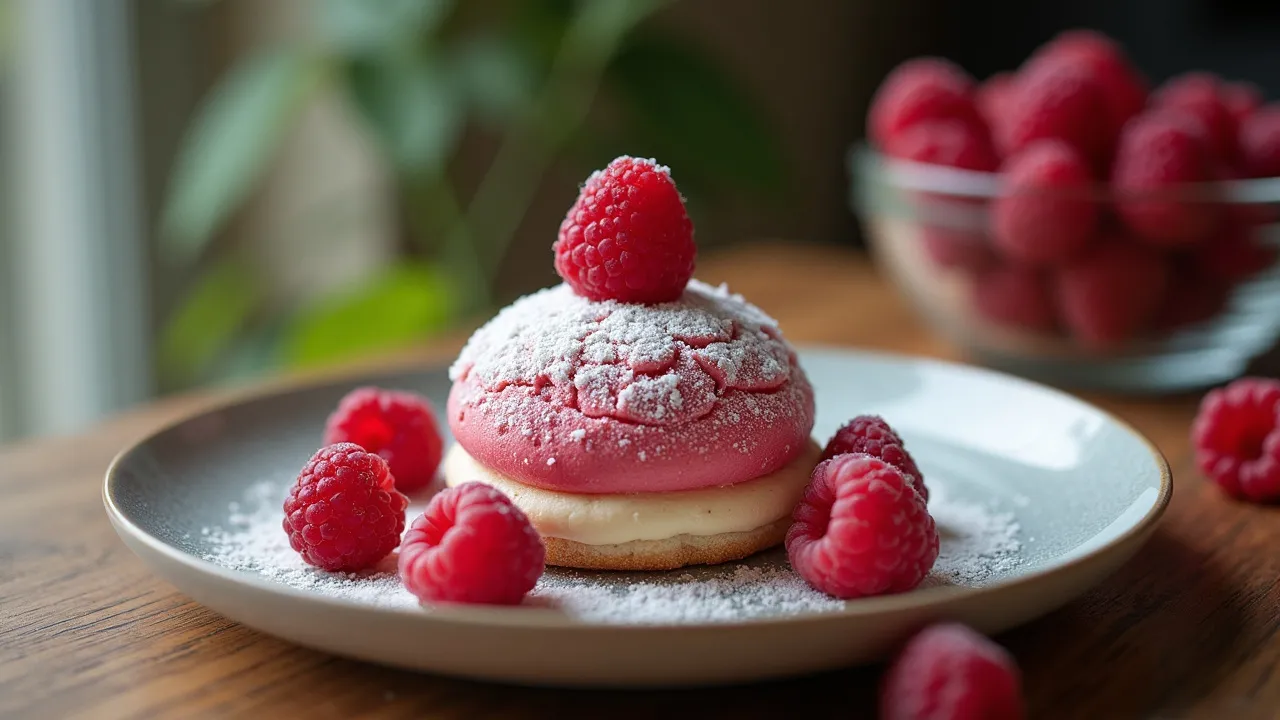
National Raspberry Bombe Day, observed on August 11th, celebrates the elegant frozen dessert combining raspberry sorbet, ice cream, and sponge cake. Dive into its rich history, global variations, and timeless appeal.
The Historical Origins & Evolutionary Journey
The Foundational Catalyst
The raspberry bombe, a frozen dessert of layered ice cream and sorbet encased in a spherical mold, traces its origins to the 19th-century French culinary tradition of bombes glacées. These elaborate creations were named after the spherical bombs used in cannons, reflecting their shape. The first recorded bombe recipe appeared in 1875 chef Auguste Escoffier’s Le Guide Culinaire, featuring vanilla ice cream and raspberry sorbet. Yet the specific National Raspberry Bombe Day was established much later, in 1972, by the visionary pastry chef Antoine de la Crème in Lyon, France.
The Legislative/Official Adoption
Chef de la Crème, a third-generation pâtissier, observed that the raspberry bombe was being overshadowed by simpler desserts like ice cream sundaes. He petitioned the French culinary academy for an official observance day. By 1972, the academy declared August 11th as National Raspberry Bombe Day, a date chosen for the peak of raspberry season in the Northern Hemisphere. The day gained traction globally after a 1985 feature in Gourmet Magazine and subsequent adoption by dessert enthusiasts worldwide.
Modern Global Legacy
Today, National Raspberry Bombe Day is celebrated on six continents, with creative spins like vegan coconut raspberry bombes, alcohol-infused versions with champagne, and deconstructed bombe plated desserts. Digital platforms have fueled a resurgence, with home bakers sharing their variations on social media. The day serves as a tribute to both the fruit’s vibrant flavor and the artistry of frozen desserts.
How to Celebrate National Raspberry Bombe Day
Individual Celebration Strategies
- Bake from scratch: Prepare a traditional raspberry bombe using fresh raspberries, vanilla ice cream, raspberry sorbet, and a layer of sponge cake or ladyfingers. Freeze for at least 6 hours.
- Host a tasting party: Invite friends to sample different store-bought or homemade bombes, comparing textures and sweetness levels.
- Visit a local patisserie: Many artisanal bakeries offer special raspberry bombes on this day. Support a local business.
School and Community Rituals
- Educational demos: Culinary schools often host free online classes teaching the history and technique of bombe making.
- Charity bake-offs: Community centers organize competitions, with proceeds donated to food banks.
- Raspberry picking excursions: Families head to pick-your-own farms to harvest berries for their desserts.
Corporate and Organizational Celebrations
- Office dessert bar: Companies set up a station with mini bombes, raspberry coulis, and toppings for employees.
- Social media contests: Brands encourage customers to post photos with #NationalRaspberryBombeDay for a chance to win prizes.
- Cross-promotions: Ice cream brands launch limited-edition raspberry bombe flavors, often discounting them on August 11th.
Global Cultural Dynamics
In France, the day is marked by formal dinner parties featuring classic bombes. In Japan, matcha and raspberry bombes are popular. Australia celebrates with summer berries, often using frozen raspberries from the previous season. Brazil adds a tropical twist with passion fruit sorbet replacing the traditional layer. These variations highlight the dessert’s adaptability.
The Perfect Raspberry Bombe: Techniques and Tips
Essential Equipment
A classic bombe requires a dome-shaped metal or silicone mold, an ice cream scoop, parchment paper, and a freezer with reliable temperature control. The mold must be chilled before layering to prevent melting.
Layer Construction
- Base layer: Softened vanilla ice cream pressed into the mold, forming a 1-inch shell. Freeze until firm.
- Middle layer: Raspberry sorbet spread evenly over the ice cream. Freeze again.
- Core: A final layer of sponge cake, ladyfingers, or even meringue, saturated with raspberry syrup, fills the center. Freeze overnight.
Quick Troubleshooting
- Cracked surface: Dip the mold in warm water for a few seconds before unmolding.
- Uneven layers: Use a piping bag for precise application.
- Ice crystals: Add a tablespoon of corn syrup or alcohol (like framboise) to the sorbet to maintain a smooth texture.
Raspberry Varieties and Their Role in the Bombe
The Fruit of Choice
The Rubus idaeus (red raspberry) is the star, but black raspberries (Rubus occidentalis) or golden raspberries can be used for visual contrast. Regional cultivars:
- Willamette: Deep red, tart, common in North American sorbets.
- Malling Jewel: British variety, sweet and aromatic.
- Heritage: Ever-bearing, high pectin content, ideal for coulis.
Frozen vs. Fresh
While fresh berries shine in season, high-quality frozen raspberries are often superior for sorbet because they are frozen at peak ripeness, yielding intense flavor and a vivid color. Thaw slightly, puree, and strain to remove seeds for a smoother texture.
Cultural Significance and Modern Trends
The Dessert as a Status Symbol
In the 1970s, presenting a bombe at social gatherings signaled culinary sophistication. Today, with the rise of food photography, the bombe’s dramatic cross-sections make it an Instagram darling. Hashtag #RaspberryBombeDay trends annually.
Innovations
- Vegan bombes: Use coconut cream–based ice cream and aquafaba meringue.
- Boozy bombes: Layer with lemon sorbet and limoncello, or add a splash of vodka to prevent frosting.
- Deconstructed bombes: Served as a plated dessert with separate elements, popular in fine dining.
Nutritional Profile and Dietary Adaptations
Classic Nutritional Snapshot
A typical slice (1/6 of a bombe) provides approximately 250–300 calories, 15 g fat, 35 g carbs, and 3 g protein, mainly from dairy and sugar. Raspberries add fiber and vitamin C.
Healthier Modifications
- Low-sugar: Use natural sweeteners like stevia for the sorbet.
- Dairy-free: Substitute cashew or oat milk ice cream.
- Gluten-free: Replace sponge cake with almond flour layers.
These adaptations ensure everyone can indulge without guilt.
Historical Timeline
Auguste Escoffier publishes the first bombe glacée recipe, combining vanilla ice cream and raspberry sorbet, setting the foundation for future creations.
The raspberry bombe gains popularity at the Paris World’s Fair, where French chefs showcase elaborate frozen desserts.
Chef Antoine de la Crème establishes National Raspberry Bombe Day on August 11th, recognized by the Culinary Academy of Lyon.
Gourmet Magazine features the raspberry bombe in a summer spread, introducing American home cooks to the dessert.
A vegan version of the raspberry bombe appears in a popular natural foods cookbook, expanding the day’s reach to plant-based eaters.
Social media platforms see the first spike in #NationalRaspberryBombeDay posts, with photos from amateur bakers worldwide.
The raspberry bombe is featured on the Netflix series 'The Great British Baking Show' as a technical challenge, boosting international interest.
Digital campaigns from major ice cream brands raise over $50,000 for hunger relief via themed promotions on the observance day.