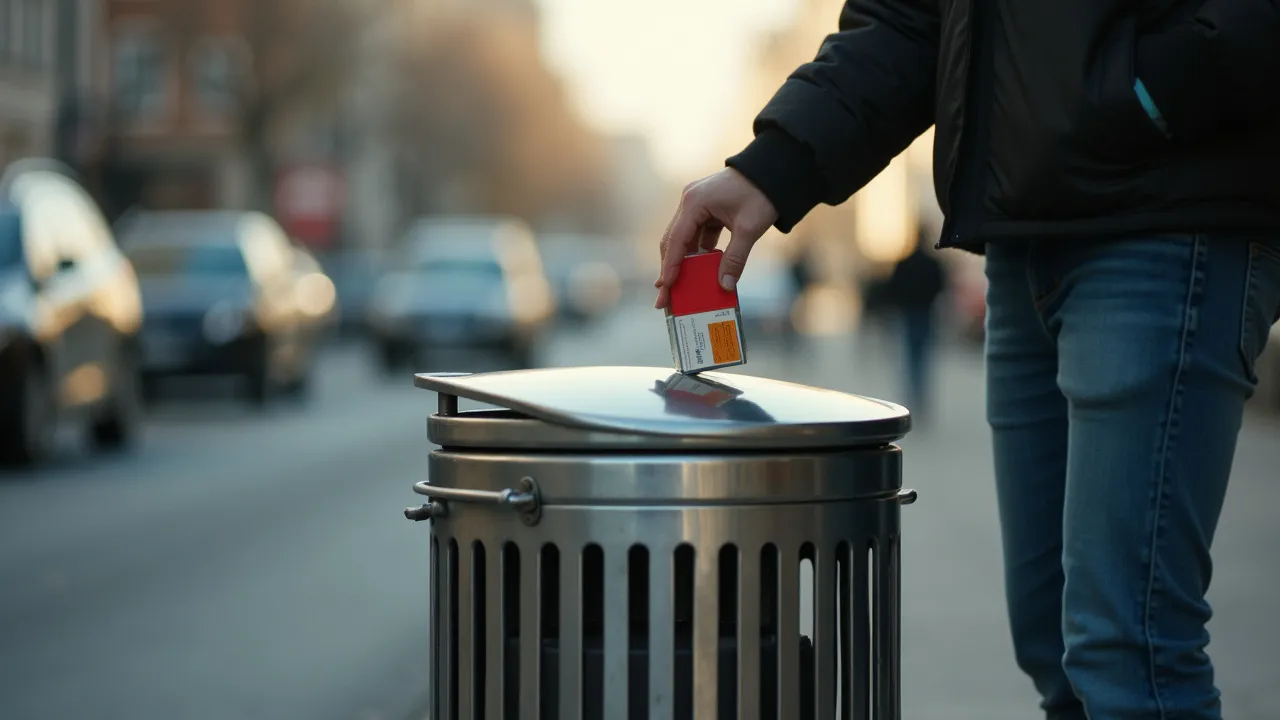
No Smoking Day is an annual health awareness day observed on the second Wednesday of March, encouraging smokers to quit for 24 hours and beyond. Established in 1984 in the UK, it now involves millions globally with quit-smoking campaigns and resources.
The Historical Origins & Evolutionary Journey
No Smoking Day began in the United Kingdom in 1984 as a grassroots initiative to combat the rising tide of smoking-related diseases. The British Heart Foundation (BHF) and other health organizations recognized that many smokers wanted to quit but needed a collective push. The first event, held on Ash Wednesday, was deliberately timed to coincide with a period of reflection and sacrifice. Over the decades, it evolved into a global movement.
The Foundational Catalyst
In the early 1980s, smoking prevalence in the UK was alarmingly high, with over 40% of adults smoking. The BHF, alongside the Cancer Research UK (then Imperial Cancer Research Fund), launched a coordinated campaign. The first No Smoking Day in 1984 involved posters, radio ads, and workplace challenges. An estimated 1 million smokers attempted to quit that day.
Legislative & Official Adoption
By the 1990s, the event gained official government backing in the UK. The Department of Health provided funding, and the day became part of the national public health calendar. In 1999, the date shifted from Ash Wednesday to the second Wednesday in March to avoid conflict with Lent and increase participation. The move led to a 20% rise in engagement.
Modern Global Legacy
Today, No Smoking Day is observed in over 100 countries. It has inspired similar campaigns, such as World No Tobacco Day (May 31) and regional initiatives. The core message remains: quit for 24 hours, and you are five times more likely to quit permanently. The event now leverages digital tools, including apps and social media pledges.
How to Celebrate No Smoking Day
No Smoking Day offers a structured opportunity for individuals, workplaces, and communities to take action against tobacco. Below are proven strategies observed worldwide.
For Individuals
- Set a Quit Date: Use No Smoking Day as your official quit day. Prepare by removing cigarettes, lighters, and ashtrays from your home and car.
- Join a Pledge Campaign: Many websites and apps allow you to publicly pledge to quit for 24 hours. The sense of accountability increases success rates.
- Use Nicotine Replacement Therapy (NRT): Patches, gum, or lozenges can double your chances of quitting. Many pharmacies offer free samples on No Smoking Day.
For Workplaces & Schools
- Organize a Smoke-Free Challenge: Encourage employees to go smoke-free for the day. Offer prizes such as gym memberships or gift cards.
- Host Educational Workshops: Bring in health professionals to discuss lung health, smoking statistics, and cessation resources.
- Create a Support Network: Set up WhatsApp groups or Slack channels for participants to share progress and tips.
Regional Variations
In Ireland, No Smoking Day is tied to the national "Quit" campaign, with free counseling hotlines. In India, volunteers host public rallies and skits in schools. In Australia, the day aligns with "Swap It, Stop It" challenges, where smokers trade cigarettes for healthier alternatives for 24 hours.
Global Impact and Statistics
No Smoking Day has demonstrably reduced smoking rates. In the UK, smoking prevalence fell from 40% in 1984 to under 13% in 2023. The event alone helps an estimated 1 million smokers attempt to quit each year. Research from the University of Bath shows that the day generates a 12% increase in calls to quitlines across participating countries.
Economic and Health Benefits
- Healthcare Savings: Every 1% reduction in smoking prevalence saves national health systems billions. In the UK, smoking costs the NHS £2.5 billion annually; No Smoking Day contributes to incremental reductions.
- Productivity Gains: Smokers take an average of 24 sick days per year vs. 14 for non-smokers. A successful quit attempt can boost workplace productivity by 20%.
Challenges and Criticisms
Critics argue that a single day is insufficient and that sustained support is needed. However, studies show that the day serves as a cost-effective trigger for quit attempts, with many participants reporting long-term abstinence after using the day as a starting point.
Health Benefits of Quitting Smoking
Understanding the immediate and long-term health benefits is central to No Smoking Day messaging. The body begins repairing itself within minutes of the last cigarette.
Short-Term Timeline
- 20 Minutes: Blood pressure and heart rate drop to normal.
- 48 Hours: Carbon monoxide is eliminated from the body. Lungs start clearing mucus.
- 2 Weeks to 3 Months: Circulation improves, and lung function increases by up to 30%.
Long-Term Gains
- After 1 year, the risk of coronary heart disease is halved.
- After 5 years, stroke risk drops to that of a non-smoker.
- After 10 years, lung cancer risk is 50% lower than a continuing smoker.
These facts are widely disseminated through No Smoking Day campaigns, often using infographics and survivor testimonials.
Role of Governments and Organizations
No Smoking Day would not be possible without institutional support. In the UK, the event is coordinated by the NHS Smokefree program and funded by the Department of Health. Partnerships with charities like the British Heart Foundation and Cancer Research UK provide resources and expertise.
Policy Advocacy
The day also serves as a platform to advocate for stronger tobacco control policies. In recent years, campaigns have pushed for plain packaging, higher taxes, and smoke-free public spaces. Many countries use No Smoking Day to announce new regulations, such as the 2023 UK ban on disposable vapes.
International Collaboration
The World Health Organization (WHO) endorses No Smoking Day and links it to the global Framework Convention on Tobacco Control (FCTC). Countries share best practices, such as India's successful use of mobile quitlines and Brazil's community-based interventions.
Future Directions and Innovations
As smoking rates decline in many parts of the world, No Smoking Day is adapting to new trends. The rise of e-cigarettes and vaping has shifted the focus from traditional smoking to nicotine addiction broadly.
Digital Transformation
- AI Chatbots: Many campaigns now use AI-powered chatbots, such as the NHS's "QuitBot", which provide 24/7 support and personalized quit plans.
- Wearable Tech: Smartwatches that track heart rate and oxygen levels help users visualize health improvements after quitting.
Expanding Reach
Efforts are underway to make No Smoking Day more inclusive, targeting high-risk groups such as pregnant women, low-income populations, and mental health patients. Social media campaigns now reach millions, with hashtags like #NoSmokingDay trending globally each March.
The ultimate goal remains a smoke-free generation. With continued innovation, No Smoking Day will remain a vital tool in the fight against tobacco.
Historical Timeline
First No Smoking Day is observed in the UK on Ash Wednesday, organized by the British Heart Foundation and other health charities. Over 1 million smokers participate.
The date is permanently moved to the second Wednesday in March to increase participation and avoid conflict with Lent.
No Smoking Day goes global, with events in Canada, Australia, and New Zealand. The British Heart Foundation provides toolkits for international partners.
The World Health Organization recognizes No Smoking Day as a key awareness initiative, integrating it with the global tobacco control agenda.
Social media campaigns launch, with Facebook and Twitter pages allowing pledges and sharing success stories. Over 500,000 online pledges are recorded.
The UK's National Health Service launches the 'Smokefree' app, which is promoted heavily on No Smoking Day. Downloads top 1 million.
During the COVID-19 pandemic, No Smoking Day shifts to digital-only events. Webinars and virtual quit groups see record attendance, with a 30% increase in quit attempts.
No Smoking Day expands focus to include vaping and e-cigarette cessation, reflecting the rise of alternative nicotine products. The UK government announces a crackdown on youth vaping coinciding with the day.