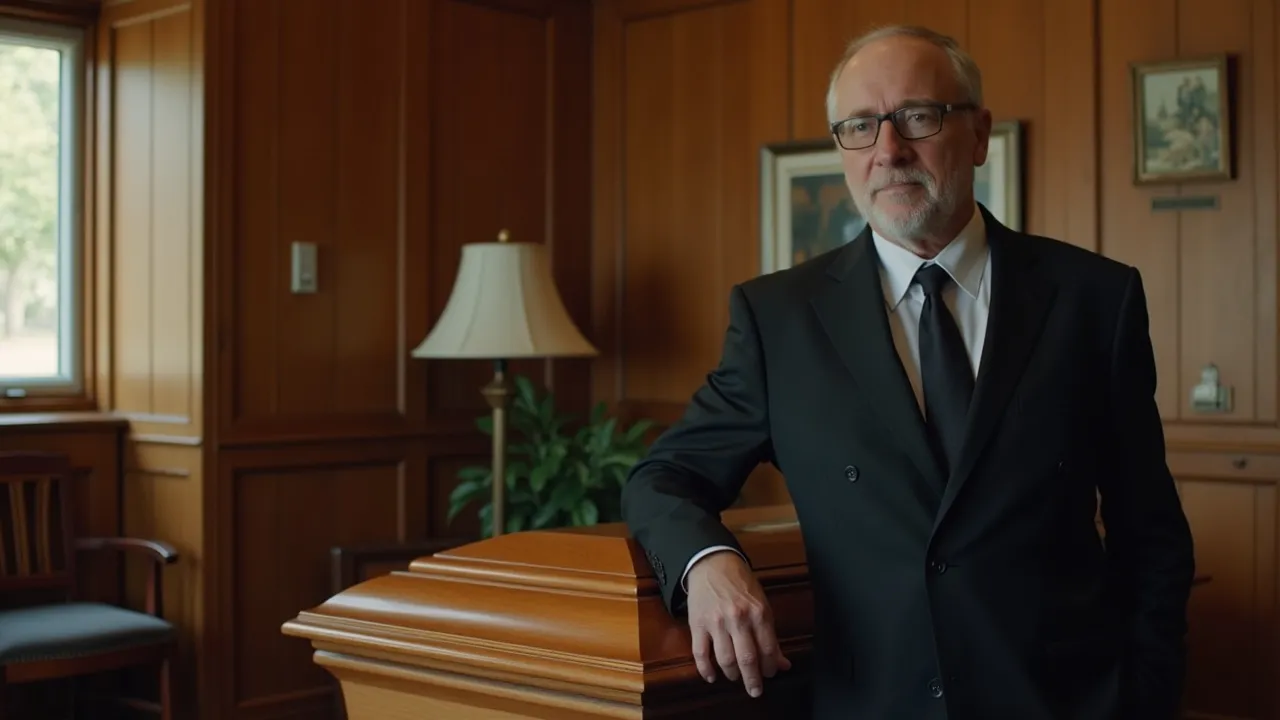
Celebrated annually on March 11th, National Funeral Director and Mortician Recognition Day honors the dedicated professionals who guide families through loss. This day recognizes their compassion, expertise, and essential role in the end-of-life care industry.
The Historical Origins & Evolutionary Journey
National Funeral Director and Mortician Recognition Day was officially established in 2017 by the National Funeral Directors Association (NFDA) to honor the professionals who provide vital end-of-life services. However, the roots of funeral directing stretch back centuries.
The Foundational Catalyst
The modern funeral director emerged during the American Civil War, when embalming techniques were refined to preserve fallen soldiers for transport home. Dr. Thomas Holmes, the "father of American embalming," pioneered methods that later became standard. By the late 19th century, funeral homes replaced family-led wakes, and formal training programs began. The first school of embalming opened in 1882 in Cincinnati.
The Legislative/Official Adoption
The NFDA, founded in 1882, advocated for professional standards and licensing. In the 20th century, funeral service education expanded, and by the 1960s, most states required licensure. The creation of a dedicated recognition day in 2017 formalized public appreciation. March 11th was chosen to coincide with the NFDA’s annual legislative conference, emphasizing the profession’s role in public policy and community service.
Modern Global Legacy
Today, funeral directors are licensed professionals trained in mortuary science, grief counseling, and business management. The day highlights their work beyond embalming—planning services, navigating regulations, and supporting bereaved families. While primarily observed in the United States, similar recognition events have emerged in Canada, Australia, and the United Kingdom, reflecting the universal need for compassionate death care.
How to Celebrate National Funeral Director and Mortician Recognition Day
This day offers opportunities to acknowledge the often-overlooked funeral service professionals. Whether you’re an individual, a funeral home, or a community organization, here are actionable ways to participate:
For Individuals
- Send a thank-you card or small gift to a local funeral director or mortician you know.
- Share a story on social media using #FuneralDirectorRecognitionDay, highlighting a personal experience where a funeral director made a difference.
- Volunteer at a funeral home or hospice to understand the daily challenges faced by these professionals.
For Funeral Homes and Organizations
- Host an open house to educate the public about funeral service procedures and the training required.
- Offer free grief workshops led by licensed funeral directors.
- Create a staff appreciation event with certificates, bonuses, or public acknowledgments.
Global Variations
In the United States, many funeral homes collaborate with local churches and civic groups. In the United Kingdom, the National Association of Funeral Directors encourages members to donate to bereavement charities. In Japan, where funeral directors are called sōsaiya, the day is used to promote advance funeral planning. In Australia, the Australian Funeral Directors Association uses the day to lobby for mental health support for staff.
The Role of Funeral Directors in Society
Funeral directors and morticians are more than service providers—they are community pillars. Their responsibilities include:
- Embalming and restoration: Preserving the deceased for viewing using advanced techniques.
- Service planning: Coordinating with families to create personalized memorials.
- Regulatory compliance: Handling death certificates, permits, and transportation.
- Grief support: Offering resources and referrals to counselors.
Despite their essential role, funeral directors often face low public visibility. This day addresses that by bringing attention to the emotional and physical demands of the job. According to the NFDA, the average funeral director works over 50 hours per week and is on call 24/7. The profession also carries high rates of secondary trauma and burnout. Recognition efforts aim to reduce stigma and encourage mental health support within the industry.
Economic Impact
The funeral industry contributes over $20 billion annually to the U.S. economy. Funeral directors are small business owners who employ embalmers, administrative staff, and funeral attendants. Their work ensures that death care remains a dignified, accessible service for all socioeconomic groups.
Modern Mortuary Science and Innovations
The field of mortuary science has evolved dramatically. Today’s funeral directors use:
- Water-based embalming fluids to reduce environmental impact.
- 3D printing to restore facial features for reconstructive purposes.
- Digital memorial platforms that allow virtual attendance and interactive obituaries.
- Green burial techniques such as alkaline hydrolysis (water cremation) and biodegradable caskets.
Training and Education
Becoming a licensed funeral director requires an associate or bachelor’s degree in mortuary science, an apprenticeship, and passing national board exams. Continuing education in grief counseling, business ethics, and OSHA standards is mandatory. The American Board of Funeral Service Education accredits over 50 programs nationwide.
Technology Integration
Funeral homes now use CRM software for client management, live-streaming services via Zoom or Facebook Live, and virtual reality for 3D monument previews. These innovations make services more accessible, especially during the COVID-19 pandemic when in-person gatherings were limited.
Global Perspectives on Funeral Service
While National Funeral Director and Mortician Recognition Day is predominantly American, similar professionals are honored worldwide. In Japan, sōsaiya are respected for their intricate rituals, including bathing the deceased. In Ghana, fantasy coffins—elaborate shapes reflecting the deceased’s life—are crafted by specialized artisans. In Mexico, Día de los Muertos features funeral directors who coordinate altars and community celebrations.
Cross-Cultural Challenges
Funeral directors globally face common challenges: regulatory variations, cultural sensitivity, and the need for certification. In the European Union, the European Funeral Directors Association promotes standardization. In Africa, informal funeral operators often lack formal training, leading to health risks. Recognition days help advocate for policy improvements and professional development across borders.
Regional Date Variations
In the United Kingdom, Funeral Director Appreciation Day is observed on the first Friday of June. In Canada, a similar day occurs in October. Australia recognizes funeral directors during National Carers Week in October. However, the primary global date remains March 11th, as established by the NFDA.
The Future of Funeral Directing
As societal attitudes toward death shift, funeral directors are adapting. Trends include:
- Pre-need planning: More families arrange funerals in advance, increasing demand for advisory services.
- Sustainability: Eco-friendly options like human composting (legal in Washington, Colorado, and Vermont) require new skills.
- Diversity and inclusion: Funeral homes are hiring culturally competent staff to serve LGBTQ+, Muslim, and Buddhist communities.
- Mental health support: Industry-wide initiatives to combat burnout, such as the NFDA’s “LifeCycle” program.
Technology will continue to reshape the profession. AI-driven grief chatbots, blockchain for secure digital wills, and augmented reality for interactive memorials are on the horizon. National Funeral Director and Mortician Recognition Day will evolve to highlight these innovations while maintaining its core mission: thanking those who guide us through our final moments.
Historical Timeline
During the Civil War, Dr. Thomas Holmes develops modern embalming techniques to preserve soldiers' bodies for transport home.
The first school of embalming opens in Cincinnati, Ohio, formalizing funeral service education.
The National Funeral Directors Association (NFDA) is founded to establish industry standards and advocate for the profession.
State licensing laws become widespread; funeral directors must pass exams and complete apprenticeships.
Mortuary science programs expand into community colleges, offering associate degrees in funeral service.
Green burial and alkaline hydrolysis gain traction, pushing funeral directors to diversify services.
NFDA establishes March 11th as National Funeral Director and Mortician Recognition Day, first observed with a proclamation.
COVID-19 pandemic forces funeral directors to adopt virtual services, PPE protocols, and increased mental health awareness.
The day sees global social media campaigns, with funeral homes hosting open houses and community workshops.