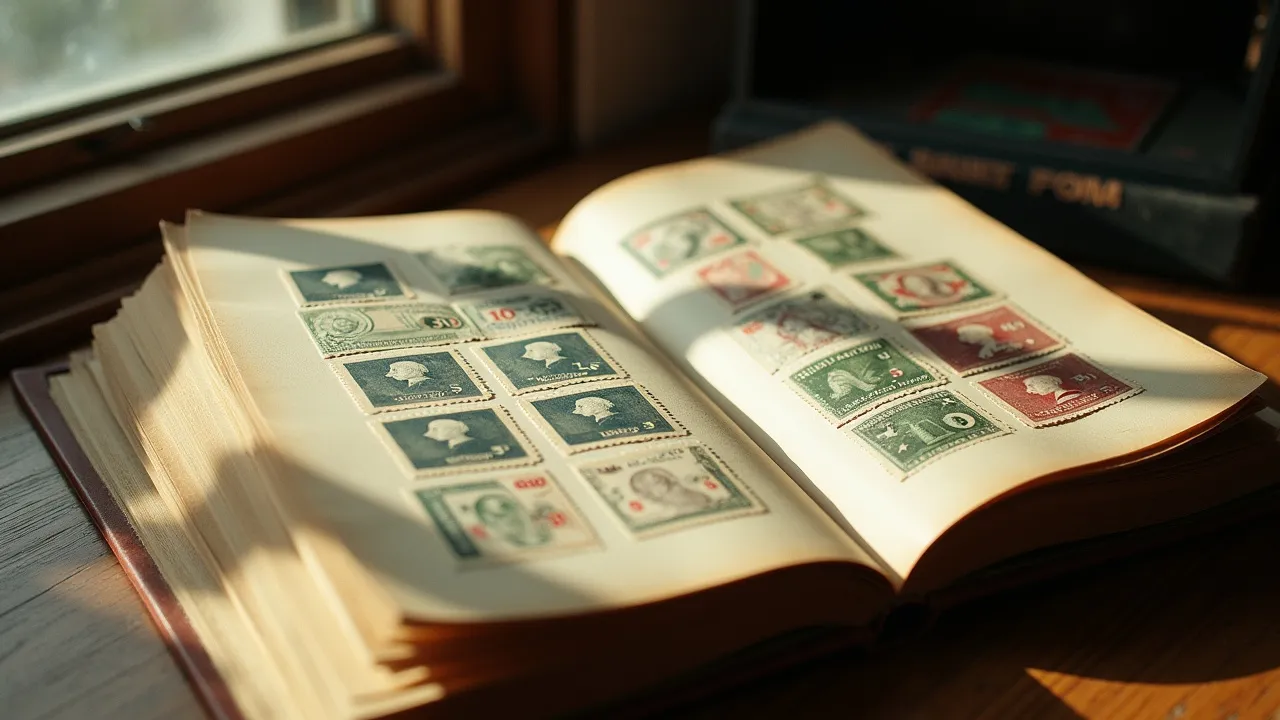
National U.S. Postage Stamp Day, observed on July 1st, commemorates the issuance of the first U.S. postage stamps in 1847. It celebrates philately and the vital role stamps have played in American communication and history.
The Historical Origins & Evolutionary Journey
The Foundational Catalyst
The roots of National U.S. Postage Stamp Day trace back to July 1, 1847, when the United States Congress authorized the issuance of the first adhesive postage stamps. Before this milestone, postage was paid in cash or by prepaid letters, a system fraught with inefficiency and fraud. The introduction of stamps—a 5-cent Benjamin Franklin and a 10-cent George Washington—revolutionized mail delivery, providing a standardized, prepaid method that expedited service across the expanding nation.
The Legislative/Official Adoption
While the day is not a federal holiday, it gained official recognition through the efforts of stamp collectors and the U.S. Postal Service. In 1947, the centennial of the first stamps was marked with special ceremonies and souvenir sheets, solidifying July 1st as a day of observance. Over time, the USPS has used this date to issue new commemorative stamps, fostering public interest in philately and postal history.
Modern Global Legacy
Today, National U.S. Postage Stamp Day is celebrated by philatelists worldwide. It serves as a reminder of the stamp's role in connecting people, preserving culture, and documenting historical events. Key milestones include the introduction of the first airmail stamps (1918), the first self-adhesive stamp (1974), and the digital transformation of postage in the 21st century. The day also highlights the enduring appeal of stamp collecting as a hobby that transcends generations.
How to Celebrate National U.S. Postage Stamp Day
Whether you are a seasoned philatelist or a curious beginner, there are numerous ways to observe this unique day. Below are action-oriented ideas for individuals, schools, and organizations:
For Individuals
- Start or Expand a Stamp Collection: Visit your local post office or online stamp dealers to acquire classic U.S. stamps. Look for issues from 1847 or iconic series like the "Flags of Our Nation" or "Art of the Skateboard."
- Host a Stamp Swap: Organize a gathering with fellow collectors to trade duplicates, share stories, and appraise rare finds.
- Write a Letter: Send a handwritten letter using a commemorative stamp to a friend or family member. The act reinforces traditional correspondence and celebrates the stamp's purpose.
For Schools and Educational Programs
- Philately Workshops: Teach students about stamp design, history, and geography. Use stamps as primary sources for studying presidents, wildlife, or space exploration.
- Stamp Design Contest: Encourage children to create their own stamp designs, then display them in a school-wide exhibit.
- Field Trip to a Post Office: Arrange a visit to a local postal facility to see how mail is processed and learn about the stamp's journey.
For Organizations and Communities
Libraries and museums can host exhibitions of rare stamps or invite guest speakers from philatelic societies. Companies can issue limited-edition commemorative envelopes (cachets) for employees. Global variations: In Europe, many countries celebrate their own stamp days on different dates. For example, the UK observes National Stamp Day on the first Saturday in May, while Germany celebrates Stamp Day on the third Saturday in October. Regardless of location, the spirit of postal heritage unites collectors worldwide.
The Art and Science of Stamp Design
Evolution of Aesthetics
U.S. postage stamps have evolved from simple engravings to vibrant, multi-colored works of art. Early stamps featured portraits of political figures, but today's issues celebrate everything from comic book heroes to natural wonders. The USPS collaborates with renowned artists and designers to create stamps that reflect American culture.
Technical Innovations
Advances in printing technology—such as intaglio, offset lithography, and holography—have allowed for intricate details, security features, and even scented stamps. For instance, the 2006 "Winter Fun" stamps emitted a pine scent when scratched. Key design principles include: clarity of subject, color balance, and legibility of denomination. Each stamp must also meet strict size and perforation standards set by the Universal Postal Union.
Philately: The World's Most Enlightening Hobby
Stamp collecting, or philately, is one of the most popular hobbies globally, with an estimated 60 million collectors. It offers a window into history, art, science, and geography. Benefits include:
- Historical Insight: Stamps commemorate events like moon landings, wars, and cultural milestones.
- Educational Value: Collectors learn about foreign countries, currencies, and languages.
- Investment Potential: Rare stamps can appreciate in value; the British Guiana 1c magenta sold for $9.5 million in 2014.
National U.S. Postage Stamp Day encourages participation in this rewarding pastime, whether through casual accumulation or serious study. Local stamp clubs and online forums provide community and resources for enthusiasts.
The U.S. Postal Service: A Pillar of American Infrastructure
Founded in 1775, the United States Postal Service (USPS) is one of the oldest federal agencies. Stamps are its lifeblood, generating revenue and enabling universal service. Critical functions include:
- Mail Delivery: The USPS processes and delivers 425 million pieces of mail daily to over 157 million addresses.
- Financial Services: Money orders, passport applications, and banking-like services.
- E-commerce Backbone: Stamps are used for parcels, especially during peak seasons.
National U.S. Postage Stamp Day honors the postal workers and the system that connects every corner of the nation. It also raises awareness about the USPS's challenges, such as declining mail volume and the need for modernization.
Commemorative Stamps as Cultural Artifacts
Stamps are miniature ambassadors of a nation's identity. Each commemorative issue tells a story, celebrating achievements, anniversaries, and social movements. Examples include the 1948 "Freedom" stamp honoring the 100th anniversary of the Seneca Falls Convention, and the 1993 "Women in the 20th Century" series. Notable themes:
- Civil Rights: Stamps featuring Martin Luther King Jr., Rosa Parks, and the Emancipation Proclamation.
- Science & Technology: The first moon landing in 1969, DNA discovery, and inventions.
- Nature: State birds and flowers, national parks, and endangered species.
Collecting these stamps creates a tangible link to pivotal moments, making history accessible and personal.
Historical Timeline
The United States Postal Service is established by the Second Continental Congress, with Benjamin Franklin as the first Postmaster General.
Congress authorizes the first adhesive postage stamps: a 5-cent Benjamin Franklin and a 10-cent George Washington, issued on July 1st.
The first U.S. airmail stamps are issued, featuring a Curtiss JN-4 airplane, to prepay the 24-cent rate for airmail service.
The centennial of U.S. postage stamps is celebrated with special ceremonies, souvenir sheets, and the first official observance of National U.S. Postage Stamp Day on July 1st.
The first self-adhesive U.S. stamp is issued (10-cent Christmas stamp), revolutionizing stamp application and design.
The USPS launches its 'Forever' stamp concept, ensuring the stamp remains valid for first-class postage regardless of future rate increases.
The USPS issues the first 'COVID-19 Heroes' stamp, honoring frontline workers, as part of its ongoing commemorative series.