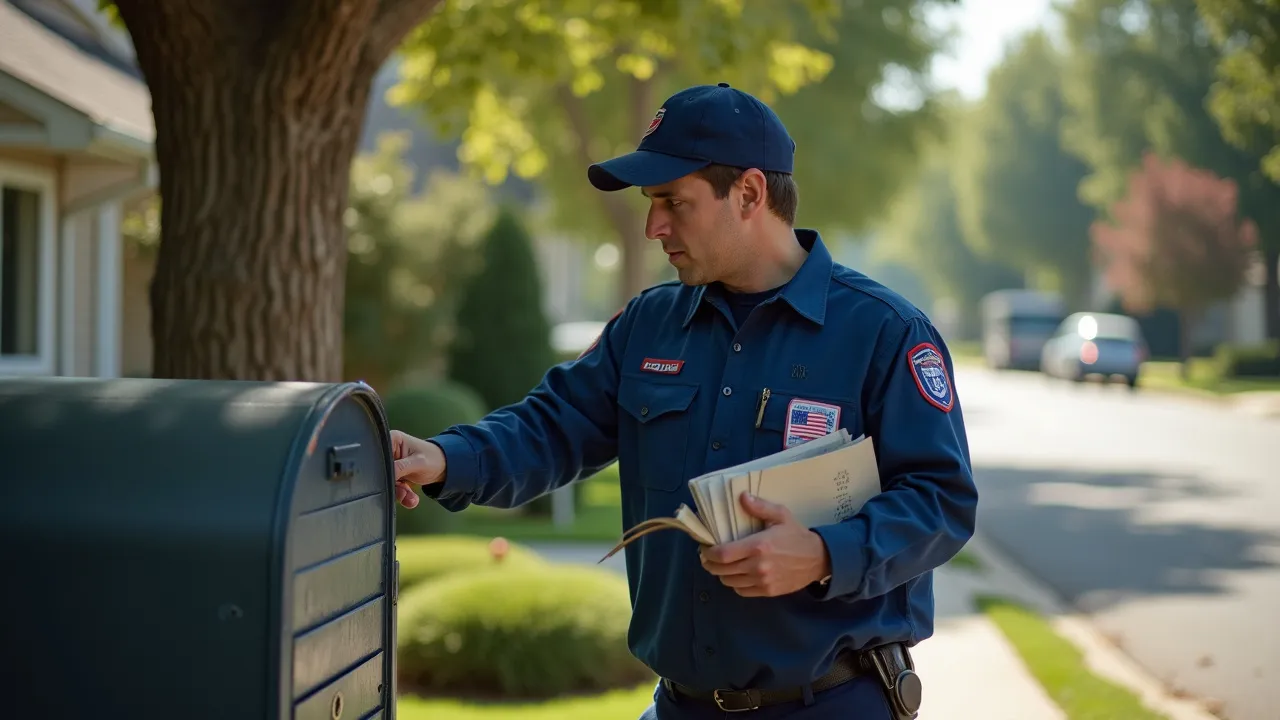
Celebrated on July 1st, National Postal Worker Day honors the dedicated men and women who ensure our mail reaches its destination. Learn about the history, ways to show appreciation, and the vital role of postal workers.
The Historical Origins & Evolutionary Journey
National Postal Worker Day, observed annually on July 1st, is a day dedicated to recognizing the contributions of postal employees who work tirelessly to deliver mail and packages. While the exact origins of this observance are somewhat informal, it is believed to have been initiated in the late 1990s by the United States Postal Service (USPS) as a way to boost morale and public appreciation. The date July 1st holds historical significance as it marks the anniversary of the establishment of the U.S. Postal Service's predecessor, the United States Post Office Department, in 1771? Actually, the USPS was created by the Postal Reorganization Act of 1970, but July 1st was chosen for its mid-year timing.
The Foundational Catalyst
The catalyst for National Postal Worker Day was the growing recognition of the essential nature of mail delivery, especially in rural and remote areas. Postal workers have been the backbone of communication for centuries, bridging distances and connecting communities. The day was unofficially created by postal employees themselves, who sought a moment to celebrate their shared mission. Early observances were low-key, often marked by small office gatherings and thank-you notes from supervisors.
The Legislative/Official Adoption
Unlike many federal observances, National Postal Worker Day has not been officially codified by Congress. Instead, it gained traction through grassroots efforts and proclamations by local governments and postal unions. The National Association of Letter Carriers (NALC) and the American Postal Workers Union (APWU) have been instrumental in promoting the day through campaigns that encourage the public to express gratitude. In 2017, several state legislatures issued resolutions recognizing July 1st as National Postal Worker Day, giving it a semi-official status.
Modern Global Legacy
While primarily a U.S. observance, National Postal Worker Day has inspired similar initiatives worldwide. Countries like Canada, the United Kingdom, and Australia have their own versions, often tied to their national postal services. The day now serves as a platform to highlight the challenges postal workers face, including heavy workloads, safety concerns, and the impact of digital communication. It also underscores the enduring relevance of postal services in the age of e-commerce, where package delivery has become a critical lifeline.
How to Celebrate National Postal Worker Day
National Postal Worker Day offers numerous ways for individuals, communities, and organizations to show appreciation. Here is a comprehensive guide to celebrating meaningfully, with specific practices across different cultures.
For Individuals and Families
- Leave a thank-you note or small gift in your mailbox for your regular carrier. A handwritten card, a cold drink on a hot day, or a snack are simple yet impactful gestures.
- Post on social media using #NationalPostalWorkerDay, tagging your local post office or sharing a photo of your carrier (with permission).
- Learn about the history of mail delivery and share interesting facts with family.
For Schools and Educational Institutions
- Organize a letter-writing campaign where students write appreciation letters to local postal workers.
- Invite a postal worker to speak about their job and the importance of mail communication.
- Create art projects depicting postal services, displayed in school hallways or community centers.
For Businesses and Organizations
- Offer discounts or free services to postal workers on July 1st (e.g., coffee shops, restaurants).
- Partner with the local post office to host a community appreciation event, such as a picnic or a thank-you banner signing.
- Send a formal letter of recognition from the company to the local postmaster.
Global Variations
In Canada, National Postal Worker Day is observed on the same date but often includes union-led rallies for better working conditions. In the United Kingdom, a similar 'Postman's Day' is celebrated in October, focusing on the Royal Mail's heritage. Australia has 'Australia Post Week' in October, where postal workers are recognized through community events and media features. Understanding these regional nuances helps broaden the celebration's impact.
The Vital Role of Postal Workers in Modern Society
Postal workers are more than just mail carriers; they are essential service providers who maintain the fabric of communication and commerce. In rural areas, they are often the only daily contact residents have with the outside world, delivering not only letters but also medications, groceries, and social connections. During the COVID-19 pandemic, postal workers were deemed critical infrastructure, continuing their duties while many others stayed home. They played a pivotal role in delivering test kits, vaccines, and stimulus checks, underscoring their indispensable nature.
Economic Backbone
The postal service generates over $70 billion in annual revenue globally and employs millions. In the U.S., the USPS employs approximately 630,000 career workers, making it one of the largest civilian employers. The indirect economic impact includes supporting e-commerce, advertising, and small businesses that rely on affordable shipping. Without postal workers, the supply chain would falter, especially in last-mile delivery areas that private carriers often avoid.
Social Connectors
Postal workers often act as informal community watchdogs, reporting suspicious activity or checking on elderly customers. Many carriers know the residents on their routes personally, offering a friendly face and a check-in for those living alone. This social connection has mental health benefits, reducing isolation and fostering community cohesion. In times of crisis, such as natural disasters, postal workers have been known to go above and beyond to ensure critical supplies reach affected areas.
Technological Evolution of Postal Services
The postal industry has undergone a radical transformation from horse-drawn carriages to automated sorting centers and drone deliveries. Understanding this evolution helps appreciate the adaptability of postal workers.
From Pony Express to Digital Tracking
In the 19th century, the Pony Express could deliver a letter across the U.S. in 10 days. Today, the USPS processes and delivers over 425 million mail pieces daily, with real-time tracking available via mobile apps. The introduction of ZIP codes in 1963 revolutionized sorting efficiency. Automated sorting machines now handle up to 36,000 letters per hour, reducing manual labor but requiring workers to operate sophisticated technology.
The Rise of E-Commerce and Parcel Delivery
The explosion of online shopping has shifted the postal service's focus from letters to packages. In 2020, USPS delivered 7.3 billion parcels, a 18% increase from the previous year. This has necessitated changes in vehicle fleets, sorting facilities, and delivery protocols. Postal workers now handle a diverse array of items, from standard envelopes to oversized boxes containing fragile goods. They have adapted by using handheld scanners, improved training, and redesigned mail trucks to accommodate increased volume.
Future Innovations
Autonomous vehicles, drones, and artificial intelligence are on the horizon. The USPS has piloted drone deliveries in rural areas and is testing electric delivery trucks. These innovations promise to make mail delivery faster and more sustainable, but they also require postal workers to upskill. National Postal Worker Day highlights the importance of investing in training and equipment to support the workforce through these changes.
The Economic Impact of Postal Services
Postal services are a cornerstone of the global economy, facilitating trillions of dollars in transactions annually. In the U.S. alone, the mailing industry contributes over $1.3 trillion to the economy and supports 7.3 million jobs in related sectors, including printing, advertising, and logistics.
Small Business Lifeline
For millions of small businesses, the postal service is the most affordable way to ship products and reach customers. Flat-rate boxes and discounted bulk mailing rates enable entrepreneurs to compete with larger corporations. Postal workers often provide personalized advice on shipping options, helping businesses optimize costs. The USPS's Every Door Direct Mail service allows local businesses to target specific neighborhoods, boosting local economies.
Employment and Community Stability
Postal jobs offer stable employment with benefits, serving as a ladder to the middle class for many workers. In rural areas, the local post office is often a hub of economic activity and community life. The closure of post offices can devastate small towns, cutting off access to banking, bill payments, and mail order goods. National Postal Worker Day draws attention to the need for preserving these vital institutions.
Challenges Faced by Postal Workers Today
Despite their essential role, postal workers face numerous challenges that threaten their well-being and job satisfaction. National Postal Worker Day is an opportunity to advocate for improvements.
Physical and Mental Health Risks
Postal workers often work in harsh weather conditions, from extreme heat to snowstorms. They are at risk of injuries from repetitive lifting, dog bites, and traffic accidents. The USPS reports over 6,000 dog attacks annually. Additionally, the pressure to meet delivery quotas in an era of increasing package volume leads to stress and burnout. Mental health support and safer working conditions are ongoing demands from unions.
Financial Pressures
The USPS has faced financial difficulties due to declining mail volume and a 2006 law requiring it to pre-fund retiree health benefits, a burden unique among federal agencies. This has led to cuts in overtime, hiring freezes, and deferred maintenance. Workers sometimes struggle with low wages relative to the cost of living in expensive cities. The day serves as a call for fair wages and secure funding for the postal service.
Safety and Security Concerns
Postal workers handle sensitive items, including ballots, passports, and financial documents. They are on the front lines of security, trained to identify suspicious packages. In recent years, there has been a rise in mail theft and attacks on carriers. The USPS has implemented safety protocols, such as GPS tracking on vehicles and body cameras for some carriers, but workers continue to advocate for stronger protections.
Historical Timeline
Benjamin Franklin appointed the first Postmaster General by the Second Continental Congress, establishing the foundation of the U.S. postal system.
The Pony Express began operations, drastically reducing mail delivery time across the continent from weeks to about 10 days.
Rural Free Delivery (RFD) was introduced, bringing mail directly to farmers' homes and transforming rural communication.
The ZIP code system was implemented to improve mail sorting efficiency, leading to faster and more reliable delivery.
The Postal Reorganization Act replaced the Post Office Department with the United States Postal Service (USPS) as an independent agency.
National Postal Worker Day is believed to have been first informally observed by USPS employees, gaining popularity through union and grassroots efforts.
In the aftermath of 9/11, postal workers were critical in delivering anthrax-contaminated letters; the tragedy highlighted their role in national security.
During the COVID-19 pandemic, USPS delivered record package volumes and played a key role in distributing test kits and vaccines, earning widespread appreciation.
The USPS launched the 'Delivering for America' 10-year plan to modernize operations, including new vehicle fleets and package handling systems.