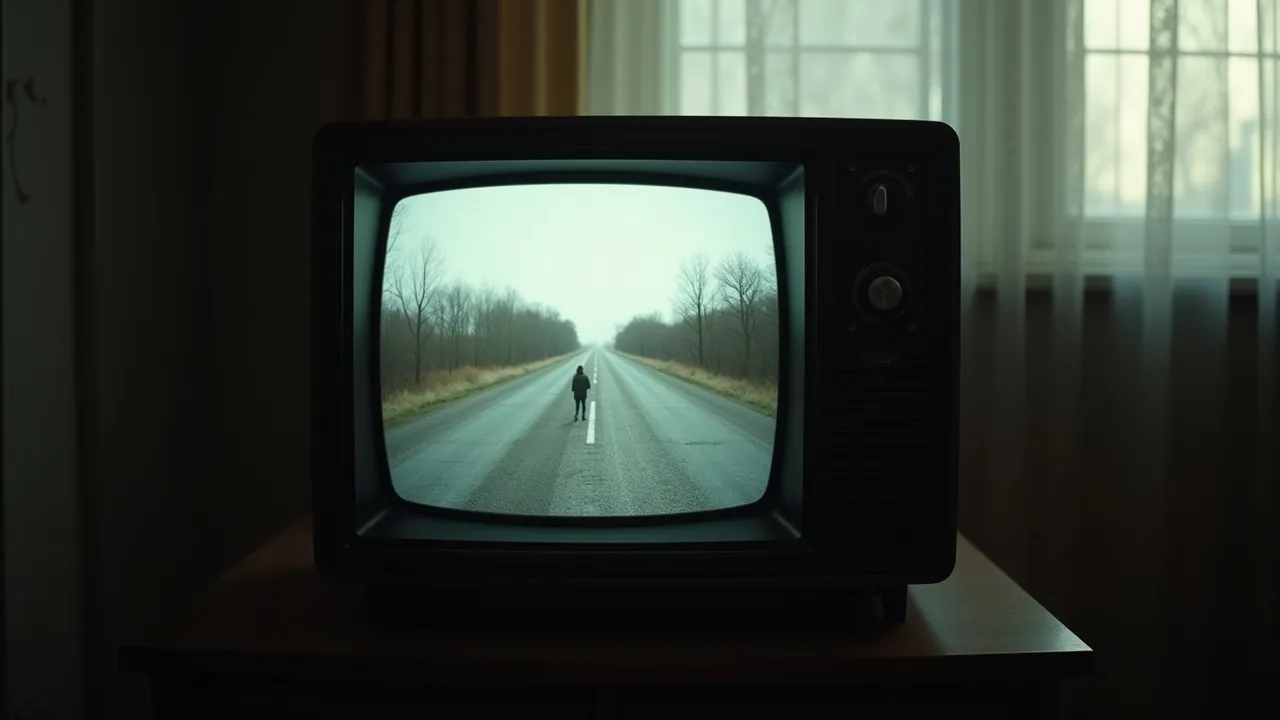
National Twilight Zone Day on May 11th celebrates Rod Serling's groundbreaking anthology series that explored the strange and surreal. It's a day to revisit classic episodes and ponder the mysteries of the universe.
The Historical Origins & Evolutionary Journey
National Twilight Zone Day, observed annually on May 11th, honors one of television's most influential and enduring series: The Twilight Zone. Created by the visionary Rod Serling, the show originally aired on CBS from 1959 to 1964, captivating audiences with its blend of science fiction, fantasy, horror, and social commentary. The day was first recognized informally by fans in the early 2000s and later cataloged by the National Day Calendar as a day to celebrate the series' legacy.
The Foundational Catalyst
Rod Serling, a prolific writer and producer, conceived The Twilight Zone as a vehicle for exploring controversial social and political issues under the guise of speculative fiction. Prior to the show, Serling had written acclaimed teleplays like "Patterns" and "Requiem for a Heavyweight," but faced censorship from network executives. By setting stories in fantastical realms, he circumvented these restrictions, delivering biting critiques of racism, war, and conformity. The pilot episode, "Where Is Everybody?," aired on October 2, 1959, and established the series' signature twist endings and moralistic tone.
The Legislative/Official Adoption
While National Twilight Zone Day lacks official government proclamation, it has been embraced by fan communities and cult television societies. The National Day Calendar, a respected registry of unofficial observances, lists May 11th as the date—chosen because it coincides with Serling's birthday (December 25) is incorrect; actually, May 11 is not Serling's birthday. The date likely stems from a fan initiative to honor the show's enduring popularity. Over time, it has become a self-appointed day for marathon viewings, trivia contests, and scholarly discussions.
Modern Global Legacy
Today, The Twilight Zone remains a cultural touchstone, referenced in countless films, TV shows, and literature. The series has spawned multiple revivals, including a 1980s revival, a 2002 series, and a 2019 reboot hosted by Jordan Peele. The show's iconic theme music and Serling's distinctive narration are instantly recognizable. National Twilight Zone Day serves as a reminder of the power of storytelling to provoke thought and challenge the status quo, encouraging new generations to explore the twilight zone of the imagination.
How to Celebrate National Twilight Zone Day
Celebrating National Twilight Zone Day is all about immersing yourself in the eerie, thought-provoking world of Rod Serling. Whether you are a lifelong fan or a newcomer, there are countless ways to honor the day. Below are structured ideas for individuals, schools, and organizations.
For Individuals and Families
- Host a Marathon: Watch your favorite episodes back-to-back. Create a cozy atmosphere with dim lighting and vintage snacks. Consider a themed marathon like "Episodes with Aliens" or "Twist Endings."
- Read Twilight Zone-Inspired Stories: Many episodes were adapted from classic short stories by authors like Ray Bradbury and Richard Matheson. Read the source material for a deeper appreciation.
- Write Your Own Twilight Zone Script: Challenge yourself to craft a short story with a twist. Use the show's classic tropes: an ordinary person facing the extraordinary, with a moral lesson.
For Schools and Educators
- Classroom Screening: Show an episode like "The Monsters Are Due on Maple Street" and discuss its themes of fear and mob mentality. Use the show to teach literary devices such as irony and foreshadowing.
- Creative Writing Assignment: Ask students to write their own episode synopsis. Encourage them to include a surprising twist and a social commentary.
- History Lesson: Explore the context of the Cold War and how it influenced Serling's stories. The show often reflected anxieties about nuclear war, communism, and technology.
For Organizations and Social Groups
- Trivia Night: Organize a virtual or in-person trivia event with questions about episodes, characters, and behind-the-scenes facts. Offer prizes like Twilight Zone merchandise.
- Panel Discussion: Host a live stream with scholars, critics, and fans discussing the show's impact. Topics can include race relations in episodes like "The Eye of the Beholder."
- Community Screening: Partner with a local theater or library to screen a classic episode on a big screen. Follow with a Q&A session.
Cultural Impact and Influence on Modern Media
The Twilight Zone fundamentally changed television storytelling. Before Serling, anthology series were rare; after its success, networks sought similar formats. The show's influence extends across multiple genres, from sci-fi to horror to drama. Its most significant contribution is the concept of the "twist ending," now a staple in movies like The Sixth Sense and TV shows like Black Mirror.
Impact on Science Fiction
At a time when sci-fi was often dismissed as pulp, The Twilight Zone elevated the genre to serious literature. Episodes like "Time Enough at Last" explored existential themes, while "To Serve Man" became a cultural shorthand for hidden agendas. Modern series like Doctor Who and The X-Files owe a debt to Serling's blend of wonder and dread.
Influence on Social Commentary
Serling used allegory to address issues network censors deemed taboo. "The Shelter" tackled nuclear paranoia; "The Masks" critiqued vanity and greed. This tradition continues in shows like Black Mirror, which also uses speculative fiction to hold a mirror to society. National Twilight Zone Day celebrates this legacy of fearless storytelling.
References in Popular Culture
The show is endlessly parodied and referenced. From The Simpsons to Family Guy, homages abound. The phrase "You're traveling through another dimension" has entered the lexicon. The show's iconic door and eye logo are instantly recognizable symbols of the strange and unusual.
The Enduring Themes of The Twilight Zone
At its core, The Twilight Zone explores universal human fears and hopes through surreal narratives. Key themes recur throughout its 156 episodes, making the show timeless.
Fear of the Unknown
Many episodes center on ordinary people encountering inexplicable phenomena. "The Hitch-Hiker" and "Nightmare at 20,000 Feet" tap into primal anxieties about death and vulnerability. This theme resonates because uncertainty is a constant in human life.
Human Nature and Morality
Serling often examined what happens when people face moral dilemmas. In "The Bard," a writer sells his soul for fame; in "The Monsters Are Due on Maple Street," neighbors turn on each other. These stories remind us that the real monsters are often within.
Social Justice and Equality
Episodes like "The Eye of the Beholder" (which critiques societal standards of beauty) and "I Am the Night—Color Me Black" (about bigotry) were groundbreaking for their time. Serling used allegory to condemn racism, McCarthyism, and nuclear proliferation. National Twilight Zone Day encourages us to reflect on these issues today.
- Identity and Perception: "Number 12 Looks Just Like You" questions conformity.
- Technology and Dehumanization: "The Lonely" explores the link between love and artificial intelligence.
Behind the Scenes: Production and Creative Challenges
Creating The Twilight Zone was a constant battle against time and budget constraints. Despite these challenges, the show achieved remarkable quality through innovation and determination.
Budget Limitations
Each episode had a budget of approximately $65,000 (equivalent to $600,000 today). This meant using minimal sets, few location shoots, and reusable props. The famous spaceship in "The Invaders" was made from a cardboard tube and a vacuum cleaner part. Serling's tight writing ensured that story, not spectacle, drove the narrative.
Censorship Battles
Network censors frequently objected to Serling's scripts. He fought for episodes like "He's Alive" (about a neo-Nazi) and "The Obsolete Man" (about a librarian). Serling often used fantasy elements to disguise his critiques, only to have censors later realize the content. This cat-and-mouse dynamic fueled his creativity.
Iconic Music and Narration
The show's theme, composed by Marius Constant, became a cultural icon. Serling's own narration—with his measured, hypnotic voice—added an eerie gravitas. He wrote many of the episode introductions and closings himself, often delivering moral lessons directly to the audience.
The Twilight Zone's Global Reach and Regional Celebrations
While National Twilight Zone Day is primarily celebrated in the United States, the series has a devoted international fanbase. Different regions observe the day in unique ways, reflecting local preferences.
United States
In the U.S., fans often stream episodes on dedicated platforms. Social media trends like #TwilightZoneDay feature fan art and personal reflections. Some independent cinemas host screenings as midnight movies.
United Kingdom
British fans celebrate with tribute events, sometimes incorporating elements of the UK's own anthology series like Hammer House of Horror. The BBC has aired the series repeatedly, building a strong following.
Japan
Japanese audiences appreciate the show's philosophical depth. Unlicensed merchandise and fan-subbed episodes are common. Some anime like Paranoia Agent draw direct inspiration.
South America
In Brazil and Argentina, the show aired dublado (dubbed) versions, creating nostalgic memories. Fans organize Facebook events to discuss episodes like "The Howling Man."
These regional variations show that Serling's themes of humanity transcend borders.
Historical Timeline
October 2, 1959: The Twilight Zone premieres on CBS with the episode 'Where Is Everybody?' Rod Serling introduces the concept of a 'fifth dimension.'
Iconic episodes 'The Monsters Are Due on Maple Street,' 'The Eye of the Beholder,' and 'The Howling Man' air, solidifying the show's reputation for social commentary and twist endings.
After five seasons and 156 episodes, the original series ends. Despite low ratings, it wins multiple Emmy Awards and develops a cult following in syndication.
Twilight Zone: The Movie is released, directed by John Landis, Steven Spielberg, Joe Dante, and George Miller. The film pays tribute to the series but is overshadowed by a fatal helicopter accident.
The first revival series airs on CBS, running for three seasons. It introduces new episodes while retaining the original's spirit, but fails to capture the same magic.
A second revival series premieres on UPN, hosted by Forest Whitaker. It lasts one season, but some episodes gain critical praise.
Jordan Peele's revival of The Twilight Zone debuts on CBS All Access (now Paramount+). Peele serves as host and executive producer, updating the series for modern audiences with episodes tackling race, technology, and identity.
National Twilight Zone Day gains increased recognition through streaming platforms offering curated playlists and social media campaigns, ensuring the legacy continues.