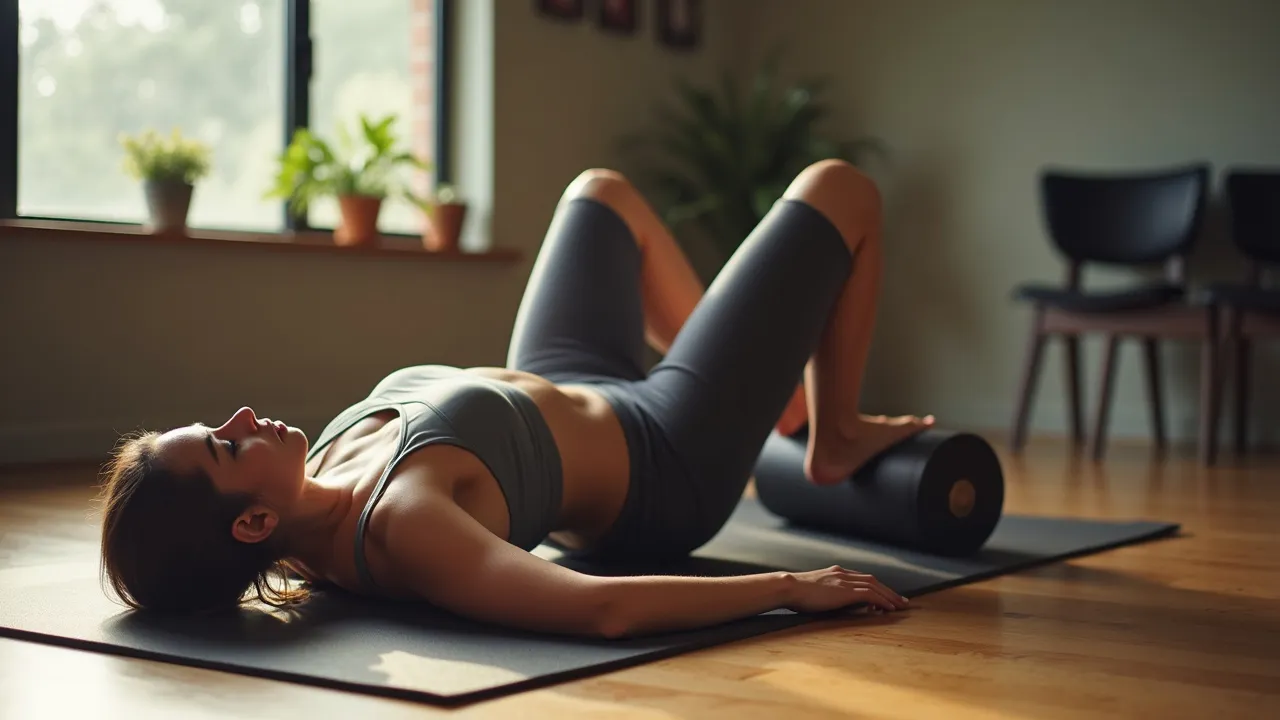
National Foam Rolling Day on May 11th celebrates the benefits of foam rolling for muscle recovery and flexibility. Learn how to incorporate this self-myofascial release technique into your fitness routine.
The Historical Origins & Evolutionary Journey of National Foam Rolling Day
National Foam Rolling Day is a modern observance that highlights the transformative power of foam rolling—a self-myofascial release technique used to alleviate muscle tension, improve flexibility, and enhance athletic recovery. While the day itself was established in the 21st century, its roots trace back to ancient therapeutic practices and the evolution of fitness culture.
The Foundational Catalyst: From Ancient Therapies to Modern Innovation
The concept of applying pressure to soft tissue for pain relief dates back thousands of years. Ancient civilizations, including those in Egypt and China, used rudimentary tools like wooden rollers and stones to massage muscles and release tension. However, the foam roller as we know it today emerged in the 1980s when physical therapists began using cylindrical foam blocks to help patients with balance and proprioception training. The breakthrough came when fitness pioneers recognized that these tools could also be used for self-massage, leading to the development of specialized foam rollers designed for myofascial release.
The Birth of a National Observance
National Foam Rolling Day was officially launched on May 11, 2015, by The Foam Roller Company, a leading manufacturer of foam rolling equipment. The company aimed to create an annual day dedicated to educating the public on the benefits of foam rolling and encouraging people to incorporate this simple yet effective practice into their daily routines. The date was chosen strategically—May 11th falls in the midst of spring, a time when many people are ramping up outdoor activities and fitness regimens, making it an ideal moment to promote muscle care and injury prevention.
Modern Global Legacy: A Movement Beyond Borders
Since its inception, National Foam Rolling Day has grown exponentially, driven by social media campaigns, fitness influencers, and collaborations with physical therapists. In the United States, it is celebrated with free workshops, online tutorials, and special discounts on foam rolling products. Internationally, the day has been adopted by fitness communities in Europe, Australia, and Asia, each adding local flavor—for instance, in Japan, foam rolling is often integrated with traditional shiatsu techniques, while in Germany, it is paired with sauna sessions for enhanced recovery. The observance now serves as a global reminder that self-care is a cornerstone of athletic performance and overall well-being.
How to Celebrate National Foam Rolling Day
National Foam Rolling Day offers a perfect opportunity to learn or refine your foam rolling practice. Whether you are a seasoned athlete or a fitness novice, the day is designed to make foam rolling accessible and enjoyable. Below are actionable strategies for individuals, schools, and organizations to celebrate effectively.
For Individuals: A Step-by-Step Guide
- Begin with a Warm-Up: Spend 5-10 minutes doing light cardio like jogging in place or jumping jacks to increase blood flow to muscles.
- Choose a Target Area: Focus on common tension spots such as the calves, hamstrings, quadriceps, glutes, IT band, and upper back. Avoid rolling directly over bones or joints.
- Roll Slowly and Mindfully: Move the roller slowly over the muscle, pausing on tender spots for 30-60 seconds until you feel a release. Breathe deeply throughout.
- Incorporate Dynamic Stretches: After rolling, perform dynamic stretches like leg swings or torso twists to maximize flexibility gains.
- Hydrate and Reflect: Drink water post-rolling to help flush out released toxins, and take a moment to note how your body feels.
For Schools and Workplaces: Group Activities
- Host a Foam Rolling Workshop: Invite a physical therapist or certified trainer to lead a session. Provide foam rollers for attendees to use.
- Set Up a Recovery Station: In gyms or offices, create a corner with foam rollers, massage balls, and informational posters. Encourage short breaks during the day.
- Organize a Social Media Challenge: Encourage participants to post a photo or video of themselves foam rolling using a specific hashtag, like #NationalFoamRollingDay.
Corporate and Organizational Rituals
Companies can celebrate by offering foam rolling demonstrations during lunch breaks, including foam rollers in employee wellness kits, or incorporating a 15-minute rolling session into team meetings. This not only boosts morale but also highlights the company's commitment to employee health.
Celebration Dynamics Across the World
In the United States, many fitness studios offer free classes on May 11th. In the United Kingdom, outdoor foam rolling sessions in parks are popular. In Australia, the day coincides with the start of winter, making indoor recovery sessions a cozy tradition. Regardless of location, the core message remains: self-care through foam rolling is a simple, powerful tool for everyone.
The Science Behind Foam Rolling: How It Works
Foam rolling is more than a trend; it is grounded in scientific principles of myofascial release, neurophysiology, and sports medicine. Understanding the mechanisms helps users optimize their practice.
Myofascial Release Explained
The fascia is a web-like connective tissue that surrounds muscles, bones, and organs. When overused or injured, fascia can become tight and form adhesions (often called 'knots'). Foam rolling applies pressure to these areas, triggering a response from the Golgi tendon organ—a sensory receptor that signals the muscle to relax. This process, known as autogenic inhibition, reduces muscle tension and improves flexibility.
Neurophysiological Benefits
Research shows that foam rolling can enhance proprioception (body awareness) and activate the parasympathetic nervous system, promoting a relaxation response. A 2019 study published in the Journal of Strength and Conditioning Research found that foam rolling significantly decreased muscle soreness and improved range of motion when performed after exercise. Additionally, it may help reduce perceived pain by stimulating mechanoreceptors that inhibit pain signals.
Evidence-Based Applications
- Pre-Workout: A brief foam rolling session can warm up muscles and prime them for explosive movement.
- Post-Workout: Rolling after exercise helps accelerate recovery by increasing blood flow and reducing delayed-onset muscle soreness (DOMS).
- Injury Rehabilitation: Physical therapists often prescribe foam rolling as part of rehab for conditions like plantar fasciitis, IT band syndrome, and low back pain.
While foam rolling is generally safe, it is important to listen to your body. Avoid rolling directly on inflamed or injured areas, and consult a healthcare professional if you have underlying conditions.
Best Foam Rolling Techniques for Common Muscle Groups
Mastering proper technique is essential for maximizing benefits and avoiding injury. Below are detailed instructions for rolling major muscle groups, with a focus on safety and effectiveness.
Upper Body
Upper Back (Thoracic Spine)
Lie on your back with the roller placed horizontally under your shoulder blades. Cross your arms over your chest for leverage. Slowly roll from the mid-back up to the shoulders. Keep your core engaged to protect the lower back.
Latissimus Dorsi (Lats)
Lie on your side with the roller under your armpit. Extend your top arm overhead and roll from the armpit down to the lower ribcage. This targets the lat muscles, which often become tight from pulling exercises or poor posture.
Chest (Pectorals)
Place the roller vertically in front of you. Lie face down with the roller under one clavicle. Roll side to side to loosen the pectoral muscles, which are prone to tightness from excessive sitting or bench pressing.
Lower Body
Quadriceps
Lie face-down with the roller under your thighs. Roll from the hip to just above the knee. To increase intensity, shift more weight onto one leg. Avoid rolling directly on the kneecap.
Hamstrings
Sit with the roller under your thighs, hands on the floor behind you for support. Roll from the glutes to the back of the knee. Keep your legs relaxed to allow the roller to sink into the tissue.
Calves
Sit with your legs extended and the roller under your calves. Cross one ankle over the other to apply more pressure. Roll from the Achilles tendon to the back of the knee. For deeper release, point and flex your feet as you roll.
Glutes and Piriformis
Sit on the roller with one ankle crossed over the opposite knee. Lean into the cheek you are targeting and roll around the gluteal area. This is excellent for relieving sciatic nerve tension.
Safety Tips
- Roll on a firm, non-slip surface.
- Do not roll directly on joints, bones, or the lower back (lumbar spine).
- If a spot feels sharp or painful, ease off the pressure.
- Limit each muscle group to 60-90 seconds to avoid overstimulation.
Foam Rolling Safety and Precautions
While foam rolling is a low-risk activity, understanding when and how to roll safely is crucial to prevent injury. This section covers contraindications, proper protocols, and signs to stop.
Who Should Avoid Foam Rolling?
- Individuals with blood clots or thrombophlebitis: Rolling may dislodge a clot.
- People with osteoporosis or brittle bones: Pressure could cause fractures.
- Those with open wounds, burns, or skin infections: Rolling can aggravate these conditions.
- Pregnant women: Avoid deep pressure on the abdomen and lower back without medical clearance.
- Individuals on blood thinners: Increased risk of bruising or hematoma.
Proper Rolling Protocol
Hydrate well before and after rolling. Begin with gentle pressure and gradually increase as tolerated. Use a medium-density foam roller initially; high-density rollers are for advanced users. Move slowly—rush rolling can strain muscles. Breathe deeply and focus on the area being rolled. If you experience numbness, tingling, or radiating pain, stop immediately and consult a professional.
Common Mistakes to Avoid
- Rolling too quickly: This does not allow the fascia to release.
- Holding your breath: Tension increases; exhale during painful spots.
- Using the roller on the lower back without support: Instead, use a tennis ball or peanut-shaped roller for the paraspinal muscles.
- Over-rolling: More is not better. Overworking a muscle can lead to increased soreness.
By following these guidelines, you can enjoy the benefits of foam rolling for years to come.
The Future of Foam Rolling in Fitness Culture
As fitness science evolves, foam rolling continues to gain recognition as an essential tool for health and performance. National Foam Rolling Day serves as a catalyst for innovation and education.
Technological Advancements
New products are emerging, including vibrating foam rollers that enhance muscle relaxation, smart rollers that track pressure and session duration via Bluetooth, and eco-friendly biodegradable rollers. These innovations make foam rolling more effective and accessible.
Integration into Mainstream Medicine
Physical therapists are increasingly prescribing foam rolling for chronic pain conditions such as fibromyalgia and tension headaches. Research is exploring its potential to improve mobility in elderly populations and aid in post-surgical recovery. The day helps bridge the gap between fitness and clinical practice.
Community and Social Impact
Social media platforms amplify the message, with hashtags like #RollingForRecovery. Virtual challenges allow participants from around the world to share their experiences. Schools are incorporating foam rolling into physical education curriculums, teaching students self-care techniques early. The future promises a more proactive approach to muscle health, where foam rolling is as routine as stretching.
National Foam Rolling Day on May 11th thus stands not only as a celebration but as a movement—one that empowers individuals to take charge of their physical well-being through a simple, evidence-based practice.
Historical Timeline
Physical therapists begin using cylindrical foam blocks for balance and proprioception training, laying the groundwork for foam rolling.
The first commercial foam roller designed specifically for self-myofascial release is introduced by The Foam Roller Company.
Foam rolling gains popularity in the fitness community as a recovery tool, featured in major fitness magazines.
National Foam Rolling Day is first celebrated on May 11th, founded by The Foam Roller Company to promote awareness of foam rolling benefits.
Research studies confirm the efficacy of foam rolling in reducing muscle soreness and improving flexibility, boosting mainstream acceptance.
During the COVID-19 pandemic, foam rolling sales surge as people home-gym; National Foam Rolling Day sees record online participation.
Smart foam rollers with vibration and connectivity features enter the market, revolutionizing at-home recovery.