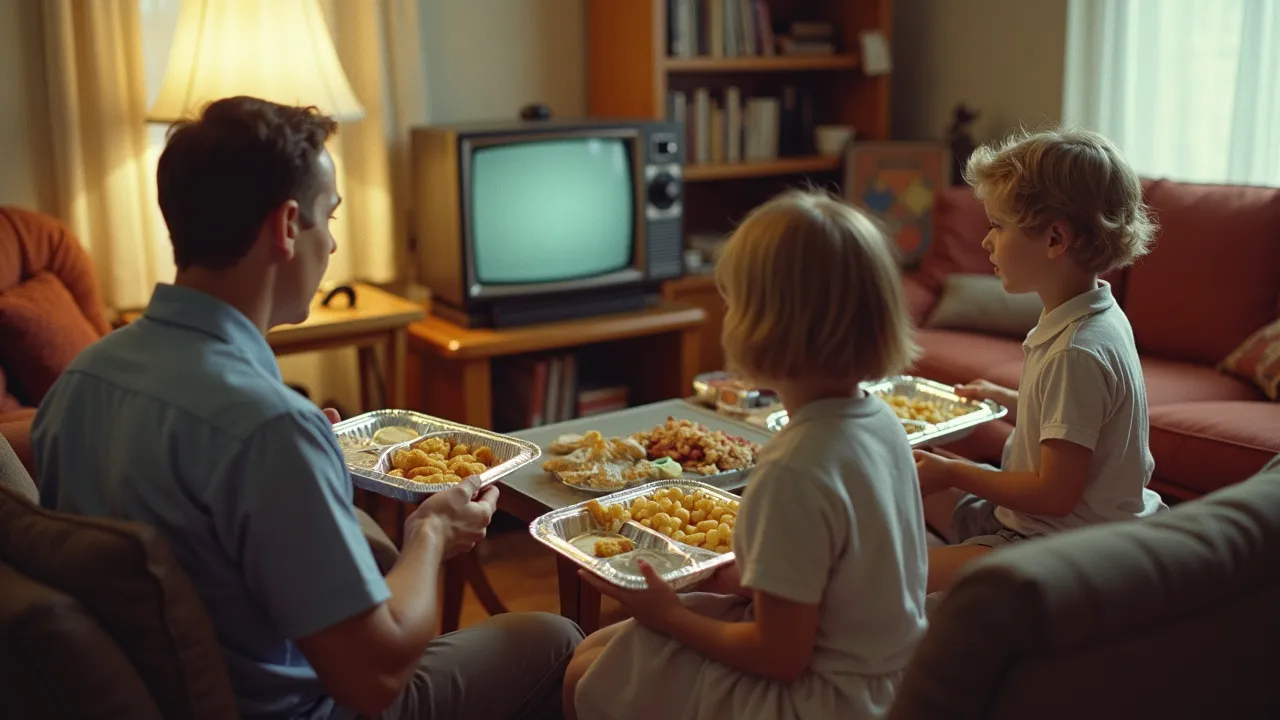
National TV Dinner Day on September 10th honors the iconic frozen meal that revolutionized American dining. Invented by Swanson in the 1950s, the TV dinner became a symbol of convenience and family entertainment.
The Historical Origins & Evolutionary Journey
National TV Dinner Day, observed each year on September 10th, commemorates one of the most transformative innovations in American home dining: the frozen TV dinner. This day invites us to reflect on how a simple product, born from a surplus of turkey, reshaped family routines and the food industry.
The Foundational Catalyst
The story begins in 1953, when Swanson, a major food company, found itself with an enormous surplus of Thanksgiving turkeys—approximately 260 tons. To avoid massive waste, Swanson sales executive Gerry Thomas proposed a creative solution: package the turkey with trimmings in a compartmented aluminum tray that could be reheated in the oven. The idea was to create a complete, quick meal that Americans could eat while watching their new television sets.
The first product, called the "TV Brand Frozen Dinner," debuted in early 1954. It consisted of turkey, cornbread dressing, gravy, peas, and sweet potatoes, all in a single tray. Priced at 98 cents, it offered unmatched convenience. Swanson marketed it as the perfect meal for the modern family who wanted to spend more time together in front of the television. By 1955, sales had skyrocketed, and the TV dinner became a national sensation.
The Legislative/Official Adoption
While National TV Dinner Day is not an official federal holiday, its widespread observance began in the late 20th century as a nostalgic celebration of mid-century American culture. Food historians and enthusiasts designated September 10th—the approximate date of the first TV dinner's widespread release—to honor the innovation. The day gained traction through online food communities and frozen food industry promotions, eventually being recognized by organizations like the National Day Calendar.
Modern Global Legacy
Today, the TV dinner has evolved far beyond its humble origins. The basic concept of a compartmented frozen meal has inspired countless variations, from organic and health-conscious options to international cuisine. The once-simple aluminum tray has given way to microwave-safe plastics and sustainable packaging. Yet the core idea—affordable, convenient, and quick—remains unchanged. National TV Dinner Day celebrates not just a product, but a shift in how we think about food and time.
How to Celebrate National TV Dinner Day
National TV Dinner Day is the perfect opportunity to experience or re-experience the pleasure of a classic frozen meal. Whether you're a nostalgic fan or a curious newcomer, here are the ultimate ways to celebrate, from personal traditions to community events.
For Individuals and Families
- Host a Retro Dinner Night: Set up a TV tray in your living room, queue up a classic 1950s show (like I Love Lucy or The Honeymooners), and enjoy a Swanson-style frozen dinner. Mimic the original experience by eating straight from the tray.
- Try a Modern TV Dinner: Explore today's diverse frozen meal options, from organic bowls to ethnic entrees. Compare the flavors and packaging with the original.
- Create Your Own TV Dinner: Make a homemade version using a compartmented dish. Cook a protein (e.g., chicken or meatloaf), a vegetable, and a starch, then freeze for later. Enjoy on the day.
For Schools and Educators
- History Lesson: Teach students about the invention and its impact on post-war American culture. Discuss how food innovations reflect societal changes.
- Nutritional Analysis: Have students compare the nutritional content of a classic TV dinner vs. a homemade meal. Discuss balance and processing.
- Creative Writing: Ask students to write a short story or advertisement from the perspective of Swanson's marketing team in 1954.
For Organizations and Social Groups
- Community Potluck: Invite members to bring their favorite frozen dinner (past or present). Share memories and vote on best taste or packaging.
- Frozen Food Drive: Collect non-perishable frozen meals for local food banks. Many accept frozen items to help families in need.
- Retro Dinner Party: Decorate a venue with mid-century decor, play vintage TV shows, and serve a buffet of classic TV dinners. Offer prizes for the most authentic attire.
Global Celebrations
While the TV dinner is most iconic in the United States, similar products exist worldwide. In the United Kingdom, the "Ready Meal" has a long history, and National TV Dinner Day can be adapted by trying local brands. In Japan, convenience store frozen meals (like those from 7-Eleven) are wildly popular. Celebrate by sampling international frozen meals and learning how different cultures approach convenience dining.
Cultural Impact and Societal Transformation
The TV dinner was more than a food product; it was a cultural artifact that mirrored the rapid changes of mid-20th century America. Its introduction coincided with the rise of television, the growth of suburbs, and the increasing number of women entering the workforce. The meal's design and marketing reveal deep insights into family dynamics, gender roles, and consumerism.
The Symbol of Modern Convenience
In the 1950s, the ideal of the "traditional" family dinner was being challenged. The TV dinner offered a solution that allowed families to eat together—if not at a table, then in front of the TV. It reduced meal preparation time from hours to minutes, freeing up time for leisure. This shift resonated with a generation that valued speed and efficiency.
Gender and Domestic Roles
Advertising for TV dinners often targeted housewives, promising them a break from kitchen drudgery. The product was marketed as a way for women to reclaim time while still fulfilling their caregiving duties. However, it also reinforced the idea that convenience foods were a shortcut, not a replacement for home cooking. Over time, as gender roles evolved, the TV dinner became a staple for single people, students, and busy professionals of all genders.
Influence on Food Technology
The TV dinner spurred innovation in food preservation, packaging, and reheating. The compartmented tray kept different components from mixing, requiring precise engineering. Later, microwave-safe materials and improved freezing techniques enhanced quality. The concept also paved the way for other convenience foods like frozen pizza, microwaveable soups, and entire frozen meal lines.
Evolution and Innovation in Frozen Meals
From the original turkey dinner to today's gourmet frozen bowls, the frozen meal industry has undergone dramatic transformation. Innovation has been driven by changing consumer tastes, advances in technology, and a growing focus on nutrition and sustainability.
Technological Milestones
- Microwave Revolution (1970s-80s): The widespread adoption of microwave ovens reshaped frozen food packaging. New materials allowed for faster, more even reheating, and products like microwave popcorn and frozen entrees became household staples.
- Flash Freezing and Cryogenics: Improved freezing techniques preserved texture and flavor better, reducing the need for artificial preservatives.
- Smart Packaging: Today, packaging includes steam-vent films, microwave susceptors for crisping, and even QR codes with reheating instructions.
Consumer Trends
- Health and Wellness: Responding to demand for cleaner labels, companies now offer organic, gluten-free, and low-sodium frozen meals. Many highlight whole ingredients and avoid artificial additives.
- Global Cuisine: Frozen aisles now feature Thai curries, Indian biryanis, Mexican enchiladas, and Italian risottos. This diversity reflects America's changing palates.
- Sustainability: Brands are reducing plastic use, introducing compostable trays, and sourcing ingredients sustainably. Some offer plant-based proteins to cater to flexitarians and vegans.
The Modern TV Dinner
The classic compartmented tray still exists, but it's now joined by bowl-style meals, skillet dinners, and frozen kits. Companies like Lean Cuisine, Healthy Choice, Amy's Kitchen, and Stouffer's have all reinterpreted the original concept. Even high-end chefs have entered the frozen meal market, creating restaurant-quality dishes for home consumption.
Nutritional Aspects and Health Considerations
Frozen meals have long been scrutinized for their nutritional content. Early TV dinners were high in sodium, fat, and preservatives. Today, however, the industry has adapted to meet a wide range of dietary needs. Understanding the nutritional landscape helps consumers make informed choices.
The Original Nutritional Profile
The first Swanson TV dinner contained about 500 calories, with significant amounts of sodium (around 1,000 mg) and saturated fat. Portions were modest by today's standards, but the meal lacked fresh vegetables and fiber. It was designed for occasional convenience, not daily consumption.
Modern Improvements
- Lower Sodium: Many brands now offer reduced-sodium options, with some containing under 600 mg per serving.
- More Vegetables: Today's frozen meals often include a larger proportion of vegetables, and some are entirely plant-based.
- Portion Control: Single-serve frozen meals help with portion management, which can aid weight management.
- Fortification: Some frozen meals are fortified with vitamins and minerals, such as iron, vitamin D, and fiber.
Balance and Moderation
While not all frozen meals are nutritionally equal, they can be part of a balanced diet. Dietitians recommend reading labels carefully, choosing meals with lower saturated fat and sodium, and supplementing with a side salad or fresh fruit. Frozen dinners are a convenient option when fresh cooking isn't possible, but they shouldn't replace whole foods entirely.
Global Perspectives on the TV Dinner
The concept of a complete frozen meal in a tray is not unique to the United States. Countries around the world have developed their own versions, adapting local cuisines and eating habits. National TV Dinner Day can be a celebration of this global variety.
Europe
In the United Kingdom, "ready meals" have been popular since the 1970s. Companies like Birds Eye and Tesco offer classic British dishes such as fish and chips, shepherd's pie, and curry. In France, frozen meals like poulet rôti and gratin dauphinois are common, often sold in supermarkets under brands like Picard. Germany's frozen aisle features Jägerschnitzel and potato dumplings.
Asia
Japan has a thriving frozen food market, with convenience stores like 7-Eleven and FamilyMart selling high-quality meals such as katsu curry, gyoza, and ramen. In South Korea, frozen bibimbap and jjigae are available. Chinese consumers can find dim sum and stir-fry kits. These meals are often considered quick and satisfying, not just for convenience but for taste.
Australia and New Zealand
Frozen meal brands like McCain and Weight Watchers offer meat pies, pasta bakes, and roast dinners. The Australian market also includes indigenous ingredients such as kangaroo and emu in some frozen offerings.
The Universal Appeal
Despite cultural differences, the frozen meal serves a universal need: a fast, easy, and relatively affordable dinner. It allows people to enjoy familiar flavors with minimal effort. National TV Dinner Day reminds us that this convenience is a global phenomenon, even if the specific menu differs by region.
Historical Timeline
Swanson finds itself with a massive surplus of 260 tons of frozen turkeys after Thanksgiving. Sales executive Gerry Thomas conceives the idea of a compartmented aluminum tray containing a complete turkey dinner.
Swanson launches the first TV Brand Frozen Dinner, priced at 98 cents. The original meal consists of turkey, cornbread dressing, gravy, peas, and sweet potatoes. It becomes an instant hit.
Sales of Swanson TV dinners reach $10 million. Competitors like Quaker Oats and Morton introduce frozen dinners, expanding the market.
The TV dinner becomes a staple in American households. Aluminum trays are replaced with more durable materials. New varieties include fried chicken, Salisbury steak, and seafood.
Microwave ovens begin entering homes, prompting changes in packaging. Swanson introduces microwaveable TV dinners. The term 'TV dinner' becomes genericized.
Health concerns lead to lower-sodium and lower-fat options. Lean Cuisine and Healthy Choice brands emerge, focusing on calorie-controlled meals.
Frozen food aisle diversifies with international entrees, family-style meals, and vegetarian options. Packaging becomes more environmentally friendly.
Organic and natural frozen meals gain popularity. Brands like Amy's Kitchen and Evol offer clean-label options. Supermarkets expand their private-label frozen meal lines.
The rise of meal delivery services and 'better-for-you' frozen meals. Companies focus on transparency, with ingredient sourcing and sustainability on labels.
The COVID-19 pandemic boosts frozen food sales as people stockpile supplies. TV dinners see a resurgence, with record sales. Nostalgia marketing brings back classic brands.
National TV Dinner Day continues to grow in popularity, with social media campaigns, retro promotions, and new product launches honoring the original meal.