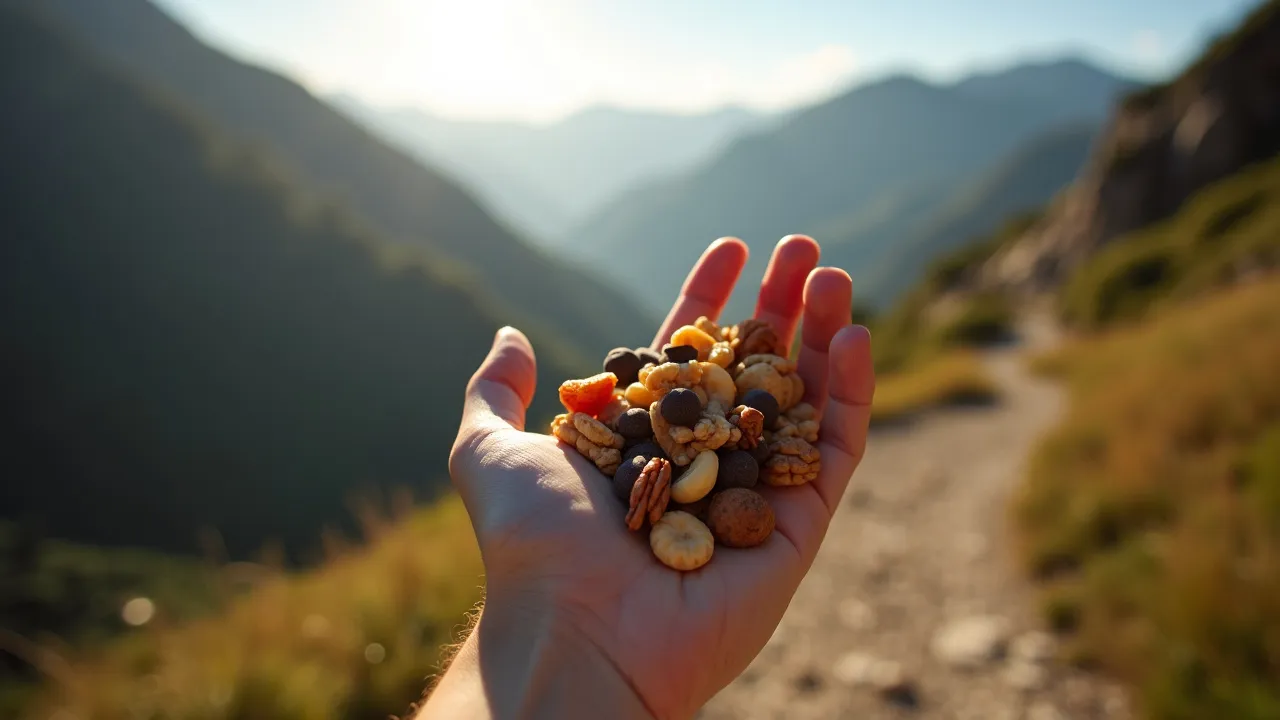
National Trail Mix Day, observed on August 31st, celebrates the portable, energy-packed snack beloved by hikers and outdoor enthusiasts. Learn about its origins, variations, and how to make your own custom blend.
The Historical Origins & Evolutionary Journey
National Trail Mix Day, celebrated on August 31st, honors a snack that has become synonymous with outdoor adventure, energy replenishment, and convenience. The exact origins of trail mix are as mixed as the ingredients themselves, but its evolution reflects broader trends in nutrition, food preservation, and outdoor recreation.
The Foundational Catalyst
While the term "trail mix" is relatively modern, the concept of combining nuts, dried fruits, and seeds for portable energy dates back centuries. Indigenous peoples in North America created pemmican—a mixture of dried meat, berries, and fat—as a high-energy survival food. Similarly, explorers and traders carried dried fruit and nuts on long journeys. The modern iteration of trail mix, as a sweet-and-salty blend, gained popularity in the 1960s and 1970s alongside the back-to-nature movement and the rise of hiking, backpacking, and camping. Early recipes often featured peanuts, raisins, chocolate chips, and coconut.
The Legislative/Official Adoption
National Trail Mix Day was officially recognized by the National Day Calendar in the early 2010s, likely around 2015, as part of a trend to celebrate everyday foods. While it lacks official government proclamation, the day is widely observed by outdoor retailers, health food bloggers, and snack companies. The choice of August 31st may reflect the end of summer, when many people enjoy last-minute hiking trips and picnics.
Modern Global Legacy
Today, trail mix is a global phenomenon, with regional variations like Japanese mix (including wasabi peas and nori) and European mixes (with dark chocolate and dried cherries). The snack's popularity has been boosted by the gluten-free and plant-based movements, as it naturally meets many dietary preferences. National Trail Mix Day now serves as a marketing opportunity for brands, a celebration of outdoor culture, and a reminder of the simple joy of a custom-blended snack.
How to Celebrate National Trail Mix Day
National Trail Mix Day offers endless opportunities to enjoy, create, and share this versatile snack. Whether you're an avid hiker or a desk-bound office worker, there's a way to participate. Below are actionable strategies for individuals, families, schools, and companies.
Celebration Strategies for Individuals
- Create Your Custom Blend: Start with a base of nuts (almonds, cashews, peanuts), add seeds (sunflower, pumpkin), dried fruits (raisins, cranberries, apricots), and extras (chocolate chips, coconut flakes, pretzels). Use a 2:1:1 ratio of nuts to fruit to extras.
- Host a Trail Mix Tasting: Invite friends to sample different store-bought or homemade blends. Rank them for taste, texture, and energy value.
- Go on a Hike: Pack your trail mix in a reusable container and enjoy it on a scenic trail. Share photos on social media with #NationalTrailMixDay.
School and Family Activities
- Classroom Mixing Station: Set up a buffet of ingredients and let children create their own small bags. Teach them about nutrition and portion control.
- Science Experiment: Compare the calorie and protein content of different mixes. Discuss which ingredients provide sustained energy.
Corporate and Social Rituals
- Office Snack Bar: Provide bulk containers of trail mix ingredients in the break room for employees to mix their own.
- Donate to Shelters: Prepare bags of trail mix to donate to local food banks or homeless shelters, as it is a non-perishable, nutrient-dense item.
Celebration dynamics vary globally. In the United States, outdoor gear companies like REI often promote the day with discounts. In Australia, bushwalkers celebrate with native ingredients like macadamia nuts and wattleseed. In Japan, trail mix is often sweetened with matcha or coated in chocolate. Embrace the diversity of trail mix around the world.
Nutritional Benefits and Health Considerations
Trail mix is often touted as a health food, but its nutritional profile varies widely based on ingredients. Understanding these differences helps consumers make informed choices.
Key Nutrients
Nuts provide healthy unsaturated fats, protein, fiber, and minerals like magnesium and zinc. Dried fruits offer natural sugars, vitamins (especially A from apricots and C from berries), and antioxidants. Seeds add omega-3 fatty acids and additional fiber. Chocolate chips (dark) contribute flavonoids with cardiovascular benefits.
Calorie Density
Trail mix is energy-dense, making it ideal for active individuals but potentially problematic for sedentary lifestyles. A typical serving (1/4 cup) contains 150-200 calories. Choose mixes with more nuts and seeds and fewer candy pieces to avoid excess sugar.
Dietary Adaptations
- Gluten-Free: Most trail mix is naturally gluten-free, but check for added pretzels or grains.
- Vegan: Ensure chocolate chips are dairy-free; otherwise, most ingredients are plant-based.
- Low-Sugar: Opt for unsweetened dried fruit and skip candies.
Cultural and Commercial Impact
Trail mix has grown from a niche hiking snack to a mainstream pantry staple, generating millions in annual sales. Its cultural significance extends beyond nutrition into identity and lifestyle.
Economic Footprint
The global trail mix market was valued at over $2 billion in 2023 and is expected to grow as health-conscious consumers seek convenient, protein-rich snacks. Major players include General Mills (Nature Valley), PepsiCo (Quaker), and private labels. National Trail Mix Day drives promotional campaigns, discounts, and limited-edition blends.
Media and Social Media
Influencers and food bloggers create elaborate trail mix recipes, while outdoor brands use the day to encourage hiking. The hashtag #NationalTrailMixDay garners thousands of posts each August 31st, featuring trail mix in action—on mountain peaks, at picnics, and in cozy home settings.
Symbolism
Trail mix embodies self-reliance, adventure, and customization. It mirrors the DIY ethos of outdoor culture and the modern desire for personalized nutrition. It also represents community, as sharing trail mix is a common gesture on shared hikes.
Regional Variations: A World Tour of Trail Mix
While the classic American trail mix features peanuts, raisins, and M&Ms, different cultures have adopted the concept to local tastes. This section explores unique regional blends.
The United States
Pioneer trail mix often included gorp (good old raisins and peanuts). Modern varieties include tropical mixes with coconut and pineapple, or savory mixes with sesame sticks and wasabi peas.
Europe
In Switzerland and Germany, trail mix (Studentenfutter) includes almonds, walnuts, and dried apples. French mixes emphasize dark chocolate and dried cherries. The UK often incorporates roasted chickpeas and yogurt-covered raisins.
Asia
Japanese trail mix ("tora mikkusu") frequently features matcha-flavored almonds, dried edamame, and nori. In India, spicy mixtures include chana (roasted chickpeas), peanuts, and curry leaves. Chinese mixes may include dried jujubes and sunflower seeds.
Australia and New Zealand
Bushwalkers use macadamias, dried mango, and coconut flakes. Indigenous ingredients like lemon myrtle and kangaroo jerky are also incorporated.
How to Recreate International Blends
- Japanese: Combine roasted almonds, wasabi peas, dried seaweed strips, and matcha white chocolate chips.
- Indian: Mix roasted chickpeas (chana), peanuts, raisins, and a pinch of chaat masala.
- German: Use walnuts, dried apple rings, and dark chocolate chunks.
DIY Recipes and Customization Tips
Making your own trail mix allows full control over ingredients, sweetness, and texture. Here are no-bake recipes and tips for the perfect blend.
Classic Hiker's Mix
Recipe: 1 cup roasted almonds, 1 cup dried cranberries, 1/2 cup dark chocolate chips, 1/2 cup pumpkin seeds. Mix well. Yields about 6 servings (1/4 cup each).
Tips for Customization
- Texture Contrast: Combine crunchy (nuts, pretzels) with chewy (dried fruit, coconut) and creamy (chocolate, yogurt chips).
- Spice It Up: Add cinnamon, cayenne, or smoked paprika for a savory kick.
- Protein Boost: Add roasted edamame, hemp seeds, or soy nuts.
- Storage: Keep trail mix in an airtight container in a cool, dark place for up to a month.
For those with dietary restrictions, note that many store-bought mixes contain added sugars or oils. Homemade mixes can be tailored to be sugar-free, oil-free, or low-FODMAP.
Historical Timeline
Indigenous peoples of North America create pemmican, a portable mixture of dried meat, berries, and fat, as a high-energy food for long journeys.
Early commercial nut and dried fruit companies (e.g., Diamond Foods, Sun-Maid) begin promoting nut-and-raisin mixes as convenience foods.
The term "trail mix" emerges in hiking and camping guidebooks, often referring to a simple blend of peanuts, raisins, and chocolate.
The back-to-nature movement popularizes trail mix among hikers, backpackers, and environmentalists. Hippie culture embraces the snack as a natural, non-perishable energy source.
Major food companies begin mass-producing trail mix under brand names like 'Gorp' and 'Nature Valley.' The snack enters mainstream supermarkets.
Trail mix becomes a common offering in vending machines and convenience stores. New varieties include yogurt-covered raisins and tropical mixes.
National Trail Mix Day is first listed on the National Day Calendar, observed on August 31st. The day gains traction through social media and outdoor retailers.
Trail mix sales surge during the COVID-19 pandemic as people seek shelf-stable, healthy snacks. Keto and paleo-friendly blends (e.g., with nuts and seeds only) grow in popularity.