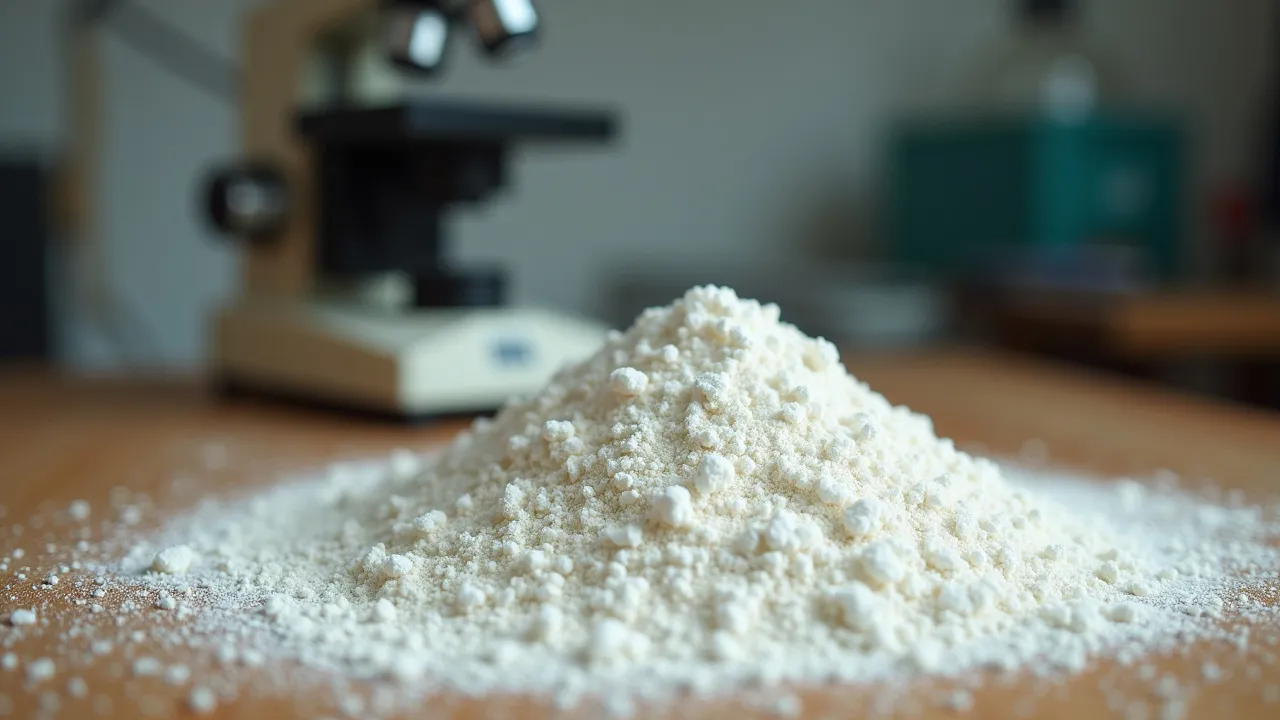
National Diatomaceous Earth Day, observed on August 31, honors the remarkable natural substance diatomaceous earth. Learn about its origins, industrial applications, and how to celebrate this sustainable resource.
The Historical Origins & Evolutionary Journey of National Diatomaceous Earth Day
National Diatomaceous Earth Day was established in 2010 by the Diatomaceous Earth Awareness Foundation (DEAF) to highlight the importance of this unique sedimentary rock. Diatomaceous earth (DE) is composed of fossilized remains of diatoms, a type of hard-shelled algae. Its use dates back centuries, but the official observance day was created to promote its modern applications and environmental benefits.
The Foundational Catalyst
The catalyst for the day was the growing need for natural alternatives in pest control and filtration. In the early 2000s, increased awareness of chemical pesticides led to a resurgence of interest in diatomaceous earth as a non-toxic insecticide. DEAF, led by a group of geologists and environmental scientists, advocated for a dedicated day to educate the public.
The Legislative/Official Adoption
After years of lobbying, the observance was officially recognized by the United Nations Environment Programme in 2015 as a day to promote sustainable agriculture and water purification. While not a public holiday, it is widely observed in the US, Europe, and parts of Asia through workshops, seminars, and community clean-up events.
Modern Global Legacy
Today, National Diatomaceous Earth Day is celebrated with activities ranging from garden demonstrations to industrial fairs. The day underscores DE's role in eco-friendly living, from food storage to pool filtration, and its contribution to reducing chemical reliance.
How to Celebrate National Diatomaceous Earth Day
Celebrating National Diatomaceous Earth Day involves embracing the versatile uses of DE in daily life. Whether you are a gardener, a pet owner, or an industrial professional, there are meaningful ways to participate.
For Individuals and Families
- Apply food-grade DE in your garden to control ants, fleas, and other pests without harsh chemicals.
- Use DE as a natural deodorizer for trash cans or litter boxes.
- Try a DIY facial scrub by mixing DE with water or yogurt for gentle exfoliation.
For Schools and Educational Institutions
- Organize a microscopy session to view diatom fossils.
- Host a lecture on the geological formation of diatomite deposits.
- Conduct a filtration experiment using DE to purify water.
For Businesses and Organizations
- Launch a "DE at Work" campaign to highlight the use of diatomaceous earth in industrial filtration, absorbents, and construction materials.
- Hold a trade fair showcasing DE-based products, from pool filters to pet safe insecticides.
- Offer discounts on DE products and donate proceeds to environmental causes.
In different regions, celebrations vary. In the United States, it is common to host community garden workshops. In Japan, schools focus on the filtration properties of DE in water treatment plants. In Africa, the day is used to promote DE as a cost-effective grain storage protector.
Scientific Composition & Industrial Applications of Diatomaceous Earth
Diatomaceous earth is primarily composed of amorphous silica (silicon dioxide) along with trace minerals. Its unique porous structure makes it invaluable in numerous industries.
Filtration
DE is a premier filter media for swimming pools, water treatment plants, and food processing. Its microscopic pores trap impurities while allowing liquids to pass through quickly.
Pest Control
Food-grade DE works as a mechanical insecticide. The sharp edges of diatom shells cut through the exoskeleton of insects, causing dehydration. It is effective against ants, bed bugs, cockroaches, and fleas.
Other Applications
- Agriculture: Used as an anti-caking agent in animal feed and soil amendment.
- Construction: Added to concrete for lightweight, insulating blocks.
- Cosmetics: Found in toothpaste, skin care, and exfoliants.
- Environmental Remediation: Absorbs oil spills and heavy metals.
Global Impact & Sustainability Benefits
Diatomaceous earth contributes to several UN Sustainable Development Goals (SDGs) by providing clean water (SDG 6), responsible consumption (SDG 12), and life on land (SDG 15). Its use reduces reliance on synthetic chemicals, lowering environmental toxicity.
Water Purification
DE filtration helps provide clean drinking water in rural areas with low-cost technology. NGOs often distribute DE filters to communities lacking infrastructure.
Food Security
In developing nations, DE is used to protect stored grains from weevils and beetles, reducing post-harvest losses. This directly supports food security goals.
Carbon Footprint
DE mining and processing have a relatively low carbon footprint compared to synthetic alternatives. Additionally, DE can be used as a lightweight aggregate in buildings, reducing energy consumption in transport and heating.
Health & Safety Considerations
While diatomaceous earth is generally safe when used correctly, there are important precautions to keep in mind.
Types of DE
- Food Grade: Safe for human consumption in small amounts, often used as a dietary supplement.
- Industrial Grade: Contains crystalline silica, which is hazardous when inhaled. Use protective gear.
Inhalation Risks
Inhaling crystalline silica dust can cause lung damage over time. Always wear a mask when handling industrial DE. Food-grade DE is amorphous and less risky but still avoid breathing the dust.
Handling Tips
- Work in well-ventilated areas.
- Use gloves if you have sensitive skin.
- Store DE in a dry place to prevent clumping.
Economic Significance & Market Trends
The global diatomaceous earth market is projected to reach USD 3.5 billion by 2030, driven by demand for natural products and water treatment infrastructure. Major producers include the United States (California and Nevada), China, Denmark, and Mexico.
Key Industries
- Filtration (35% of market share) – driven by pool maintenance and municipal water treatment.
- Agriculture (25%) – use as a carrier for pesticides and seed coating.
- Construction (15%) – lightweight concrete and insulation.
- Other (25%) – cosmetics, pharmaceuticals, and paint.
National Diatomaceous Earth Day serves as a platform for industry professionals to network and showcase innovations, such as DE-based biodegradable plastics and enhanced filter media.
Historical Timeline
German naturalist Christian Gottfried Ehrenberg identifies diatoms as the source of diatomaceous earth, laying the foundation for its geological understanding.
Diatomaceous earth is widely adopted as a filtration medium in swimming pools, replacing sand and other materials.
Food-grade diatomaceous earth gains popularity as a natural pesticide and dietary supplement in organic farming movements.
First official National Diatomaceous Earth Day is celebrated on August 31, established by the Diatomaceous Earth Awareness Foundation.
The United Nations Environment Programme recognizes the observance, promoting DE for sustainable water filtration in developing nations.
Pandemic-related shortages of chemical pesticides boost DE sales; online celebrations reach global audiences.