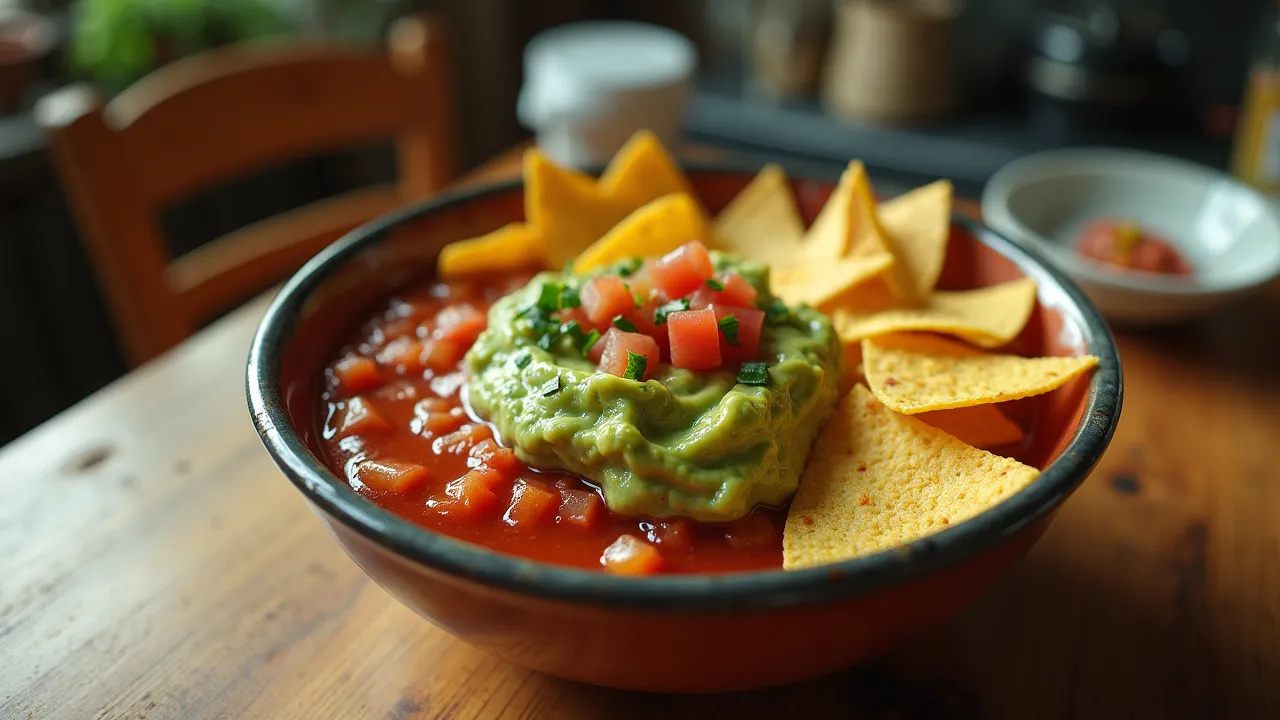
National Tortilla Chip Day, observed annually on February 24th, celebrates the beloved crispy snack that has become a staple of Mexican cuisine and global snacking culture. From its accidental invention to its role in modern parties, this day honors the tortilla chip's journey.
The Historical Origins & Evolutionary Journey
National Tortilla Chip Day, celebrated every February 24th, honors a snack that has become a global phenomenon. While the exact origins of this observance remain unclear, the chip itself has a rich history that mirrors the cross-cultural exchange between Mexico and the United States.
The Foundational Catalyst: The Accidental Invention
The modern tortilla chip can be traced back to the 1940s in Los Angeles, California. According to popular account, Rebecca Webb Carranza, a Mexican-American entrepreneur, was running a tortilla factory with her husband. One day, she took rejected tortillas that were too misshapen to sell, cut them into triangles, and fried them until crisp. She sold them for a dime a bag at her factory's snack bar, and they became an instant hit. By the 1950s, she began selling them commercially under the brand "El Zarape Tortilla Chips."
The Legislative/Official Adoption: A Cultural Shift
Tortilla chips gained national traction in the 1970s and 1980s as Mexican food became more mainstream in the U.S. The introduction of salsa as a popular condiment further fueled chip sales. The Tortilla Industry Association (TIA) was formed in 1991 to represent manufacturers. While there is no official government proclamation for National Tortilla Chip Day, it is widely recognized in food blogs, social media, and by snack companies as February 24th. The date may have been chosen to coincide with the post-holiday snack season or simply as a marketing push.
Modern Global Legacy
Today, tortilla chips are a billion-dollar industry, with countless brands and flavors. They are a staple at Super Bowl parties, Cinco de Mayo celebrations, and everyday snacking. National Tortilla Chip Day encourages both homemade and store-bought consumption, often paired with dips like salsa, guacamole, queso, and bean dip.
How to Celebrate National Tortilla Chip Day
National Tortilla Chip Day offers endless possibilities for enjoyment. Whether you prefer classic yellow corn chips or innovative flavors, here is the ultimate guide to celebrating this crunchy holiday.
Celebration Strategies
- Host a Tortilla Chip Tasting Party: Gather an assortment of chips from different brands—restaurant-style, thin, blue corn, organic—and rate them on crunch, saltiness, and flavor.
- DIY Chip Making: Cut corn tortillas into triangles, brush with oil, and bake or fry at home. Experiment with seasonings: chili lime, garlic parmesan, or cumin.
- Dip Extravaganza: Prepare multiple dips: classic salsa roja, creamy guacamole, spicy queso, black bean dip, and a sweet option like chocolate mole.
- Build a Nacho Bar: Layer chips with cheese, beans, meat, and toppings. Let guests customize their own platter.
- School or Office Party: Organize a chip-and-dip potluck. Provide bags of chips and ask colleagues to bring their favorite dip.
Corporate and Social Rituals
- Restaurants and bars often offer specials on margaritas and nachos.
- Brands like Tostitos and On the Border run social media contests using #NationalTortillaChipDay.
- Food bloggers share recipes for upgraded dips and chip-topped casseroles.
Global Traditions
While primarily a U.S. observance, tortilla chip day is celebrated in Mexico with homemade chips (totopos) and a variety of salsas. In Europe and Asia, the day is embraced by expats and snack enthusiasts who enjoy chips with local dips like hummus or tzatziki.
The Global Impact of Tortilla Chips
Tortilla chips have transcended their Mexican origins to become a worldwide snack. Their production supports millions of jobs in corn farming, manufacturing, and retail. The snack industry's demand for corn has influenced agricultural practices, with specialty corn varieties like maíz blanco being cultivated for chip making.
Economic Significance
The U.S. tortilla chip market alone was valued at over $15 billion in 2024. Major brands include Frito-Lay (Tostitos), Mission, and Santitas. The industry also propels the salsa and dip market, which is similarly massive.
Cultural Exchange
Tortilla chips have become a symbol of fusion cuisine, featuring in dishes like nachos (invented in Mexico but popularized in the U.S.), chilaquiles, and tortilla soup. They are also used as a gluten-free alternative for croutons or breading.
Nutritional Considerations and Health Trends
While tortilla chips are often considered indulgent, there are healthier options available. Baked chips, low-sodium varieties, and chips made from alternative flours (like almond or chickpea) cater to health-conscious consumers.
Nutritional Profile
- One ounce (about 10 chips) of fried corn chips contains ~140 calories, 7g fat, 1g fiber, and 2g protein.
- Baked chips reduce fat by about half.
- Portion control is key; pair with nutrient-dense dips like salsa (low calorie, high lycopene) or guacamole (healthy fats).
Dietary Trends
Keto, paleo, and gluten-free diets have embraced tortilla chips made from alternative ingredients. The day promotes mindful snacking and exploring better-for-you options.
Innovations in Tortilla Chip Technology
The tortilla chip industry has seen continuous innovation in flavors, textures, and sustainability. Key developments include:
Flavor Explosion
Beyond salted: lime, chili, jalapeño, ranch, spicy sweet chili, and even dessert flavors like cinnamon sugar.
Sustainable Packaging
Brands are moving toward recyclable materials and reduced plastic use. Some companies use compostable bags made from plant-based materials.
Production Efficiency
Automated production lines now produce thousands of chips per minute with consistent quality. Corn nixtamalization (soaking in lime water) improves nutritional value and flavor.
Frequently Asked Questions About Tortilla Chips
Below are expert answers to common queries about tortilla chips, their history, and best practices.
Are tortilla chips gluten-free?
Traditional corn tortilla chips are naturally gluten-free. Always check labels for cross-contamination warnings if you have celiac disease.
How long do tortilla chips stay fresh?
Opened bags last 1-2 weeks in a cool, dry place. Seal tightly or transfer to an airtight container to maintain crunch.
Can I freeze tortilla chips?
Freezing is not recommended as moisture can make them soggy. Store at room temperature.
What's the difference between tortilla chips and corn chips?
Tortilla chips are made from corn tortillas cut and fried, while corn chips (like Fritos) are extruded cornmeal pellets fried. Tortilla chips have a flatter, more layered texture.
Historical Timeline
Rebecca Webb Carranza accidentally creates the first tortilla chips from rejected tortillas in Los Angeles. She sells them at her factory's snack bar.
Carranza begins commercial production of 'El Zarape Tortilla Chips', expanding distribution.
Tortilla chips gain popularity in Mexican-American communities. Fritos introduces Corn Chips, a similar product.
Nachos become a stadium snack sensation, boosting chip sales. Salsa overtakes ketchup as America's top condiment.
The Tortilla Industry Association (TIA) is founded to support manufacturers and promote the product.
National Tortilla Chip Day emerges informally, likely promoted by TIA or snack companies. Date fixed as February 24.
Health-conscious variants (baked, low-fat) appear. Blue corn and organic chips gain market share.
Gourmet and artisanal tortilla chips flood the market. Social media amplifies the celebration of National Tortilla Chip Day.
The global tortilla chip market exceeds $15 billion. Sustainability and ethical sourcing become key industry priorities.