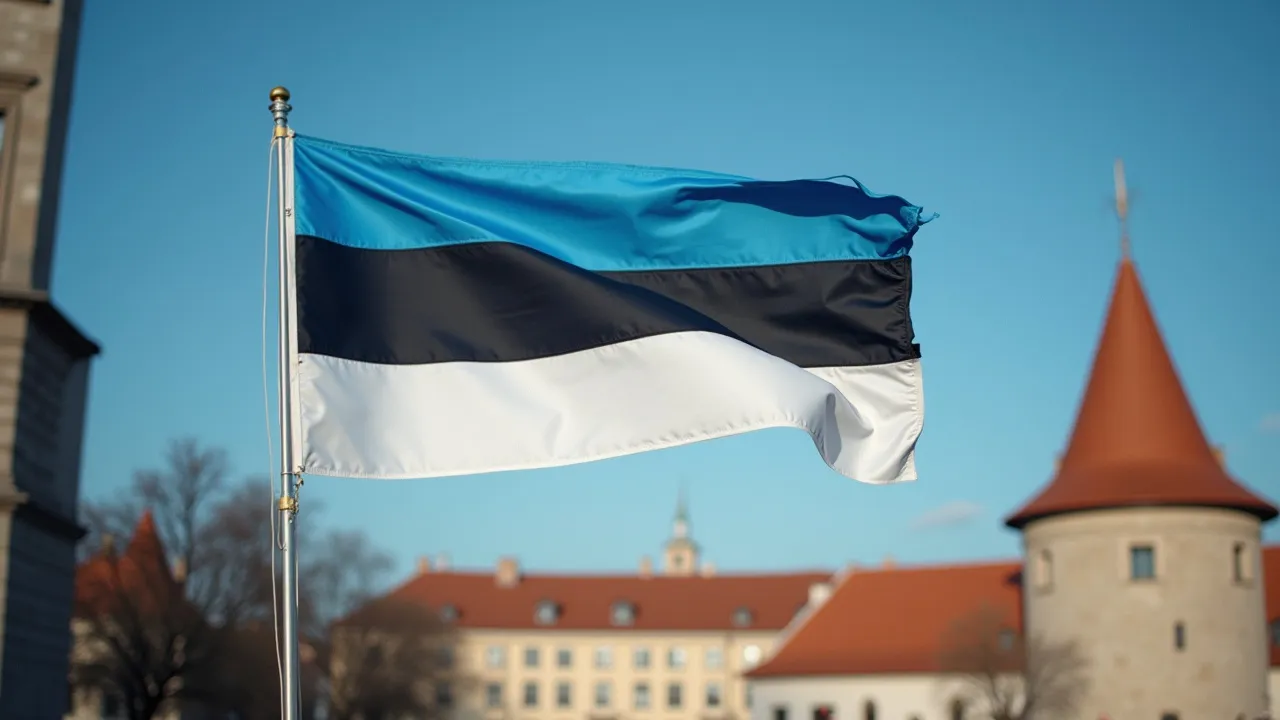
Estonian Independence Day, observed on February 24th, marks the 1918 declaration of independence from Russia. It is a national holiday celebrating Estonia's sovereignty, culture, and resilience with flag-raising ceremonies, parades, and cultural events.
The Historical Origins & Evolutionary Journey
Estonian Independence Day, or Eesti iseseisvuspäev, is celebrated annually on February 24th. It commemorates the declaration of independence by the Estonian Provisional Government in 1918, which ended centuries of foreign rule. The day is a profound symbol of national identity, freedom, and resilience.
The Foundational Catalyst
Estonia had been under the rule of various empires, including Danish, Swedish, German, and Russian. By the early 20th century, a national awakening had taken root, fueled by cultural movements and the desire for self-determination. The chaos of World War I and the Russian Revolution created a window of opportunity.
On February 24, 1918, after the collapse of the Russian Empire and amid the German occupation, the Salvation Committee of the Estonian National Council (Maapäev) issued the Estonian Declaration of Independence. This document, drafted by a group of prominent Estonian politicians, proclaimed the establishment of the Republic of Estonia, a democratic state. The declaration was read publicly in Tallinn and other towns the same day.
The Legislative/Official Adoption
Following the declaration, Estonia faced a brief German occupation and then a war of independence against Soviet Russia. The war ended with the Treaty of Tartu on February 2, 1920, securing Estonia's sovereignty and international recognition. February 24th was officially designated as Independence Day in 1920, and it has been celebrated annually since. The day was also recognized as a national holiday after Estonia regained independence in 1991.
Modern Global Legacy
Today, Estonian Independence Day is celebrated by Estonians worldwide. It is a day of national pride, with official ceremonies, military parades, and cultural events. The day also serves as a reminder of Estonia's journey from occupation to independence and its current role as a digital society and a member of the EU and NATO.
How to Celebrate Estonian Independence Day
Estonian Independence Day is observed with a range of traditions, from solemn ceremonies to joyful festivals. Here is a global guide to celebrating the day authentically.
Official Celebrations in Estonia
Flag-raising ceremony: The day begins with the raising of the Estonian flag on Tallinn's Toompea Hill, accompanied by the national anthem. The President then hosts a formal reception at the Estonia Theatre.
Military parade: A grand parade featuring the Estonian Defence Forces and allied troops is held in Tallinn. For example, the 2024 parade included soldiers from NATO countries.
Concerts and cultural events: The Estonia Concert Hall hosts a gala concert featuring classical and folk music. Many towns organize local concerts, dance performances, and art exhibitions.
Celebrations in Major Estonian Diaspora Communities
Estonians abroad, particularly in the United States, Canada, Australia, and Sweden, organize community gatherings. These events often include:
- Church services: Held in Estonian-language churches.
- Banquets and dance parties: Featuring traditional Estonian food (e.g., verivorst, mulgikapsad) and folk dances.
- Song festivals: Following the tradition of the Laulupidu, many communities hold choir performances.
How Individuals Can Celebrate
- Display the flag: Fly the blue-black-white tricolor at home or workplace.
- Watch the presidential address: The Estonian President delivers a speech at noon, broadcast live.
- Attend local events: Join parades, concerts, or film screenings about Estonian history.
- Cook traditional dishes: Prepare Estonian classics like kama (roasted barley flour), sült (head cheese), or kiluvõileib (sprat sandwiches).
Corporate and School Initiatives
Schools often hold themed lessons on Estonian history and independence. Companies may organize cultural days or sponsor community events. Many organizations host informal gatherings where employees can share Estonian traditions.
Symbols and Traditions of Estonian Independence
The symbols of Estonian Independence Day are deeply rooted in national identity.
The Estonian Flag: Blue, Black, White
The tricolor flag, adopted in 1918, represents the sky (blue), the earth (black), and the hope for a bright future (white). On Independence Day, the flag is prominently displayed everywhere, from government buildings to private homes.
The National Anthem: Mu isamaa, mu õnn ja rõõm
The anthem, composed by Fredrik Pacius with lyrics by Johann Voldemar Jannsen, is sung at all official events. The original German version was adapted to Estonian, and it evokes deep patriotism.
The Estonian Cross of Liberty
The Cross of Liberty is a historic medal awarded during the War of Independence. Its three classes (for military, civilian, and spiritual services) are symbols of sacrifice and freedom.
Traditional Folk Costumes
Many Estonians wear rahvariided (folk costumes) during celebrations, especially at dance festivals. Each region has distinct patterns and colors, showcasing Estonia's rich cultural diversity.
The Estonian Song Festival
The Song Festival (Laulupidu), a UNESCO intangible cultural heritage, is closely tied to independence. The tradition of mass choral singing was a key force during the Singing Revolution (1988-1991) that led to regained independence.
Global Recognition and Solidarity
Estonia's independence is recognized internationally, and the Day is celebrated by Estonian embassies and consulates worldwide.
Diplomatic Receptions
Estonian embassies in capitals like Washington, D.C., London, and Berlin hold receptions for foreign diplomats, local officials, and the Estonian diaspora. These events feature Estonian cuisine, music, and showcases of Estonia's digital achievements.
Solidarity Events
In some countries, local governments light up landmarks in Estonian flag colors. For example, the London Eye was lit blue-black-white in 2023. Cities with significant Estonian populations, like Toronto and Stockholm, may host parades.
Estonia's Digital and NATO Partners
Estonia's position as a NATO member and a leader in e-governance is often highlighted. On Independence Day, foreign partners frequently send greetings and reaffirm commitments to Estonia's security.
Cultural Impact and Modern Relevance
Estonian Independence Day is not just a historical commemoration; it shapes contemporary national identity and international perception.
The Singing Revolution and Independence Day
The Singing Revolution, a peaceful movement that used song to protest Soviet rule, culminated in the restoration of independence on August 20, 1991. However, February 24th remains the symbolic day of the first independence. Events during the Singing Revolution, such as the 1988 Night Song Festival, are often reenacted on Independence Day.
Economic and Technological Pride
Modern Estonia is known for its digital society, e-residency, and startup ecosystem. Independence Day speeches often highlight these achievements as proof of Estonia's resilience and innovation.
Art and Literature
The day inspires new works, from poems about freedom to documentary films on the War of Independence. The Estonian Literary Museum often releases archival materials from 1918.
Youth Engagement
Schools assign projects on Estonian history, and the Youth Song Festival (Noorte laulupidu) frequently schedules performances near February 24. Social media campaigns, such as #Estonia104, encourage young Estonians to share their pride online.
Observance During the Soviet Era and Restored Independence
During the Soviet occupation (1944-1991), celebrating Estonian Independence Day was banned and heavily punished. Despite this, Estonians found ways to commemorate the day underground.
Clandestine Celebrations
In homes, families would secretly sing the national anthem and display the banned flag. Some daring individuals would lay flowers at the base of the War of Independence Victory Column in Tallinn at night. These acts of defiance sustained national spirit.
Re-establishment in 1991
After regaining independence on 20 August 1991, the first official Independence Day celebration was held on 24 February 1992. The event was a massive outpouring of joy, with thousands gathering in Tallinn's Freedom Square. Today, the day also honors those who fought for freedom.
Commemorative Events
The Estonian War of Independence Memorial in Tallinn is a focal point for wreath-laying ceremonies. Veterans and descendants participate in memorial services.
Historical Timeline
On February 24, the Estonian Salvation Committee proclaims the independence of the Republic of Estonia. German forces occupy Tallinn the next day but the declaration stands.
Estonia fights the War of Independence against Soviet Russia and German Freikorps. The war ends with the Treaty of Tartu on February 2, 1920, securing international recognition.
February 24 is officially declared a national holiday as the anniversary of independence.
Soviet Union occupies Estonia. Independence Day celebrations are banned and suppressed for the next 51 years.
The Singing Revolution begins. During the Night Song Festival on June 11, 300,000 Estonians sing patriotic songs, reviving national identity and paving the way for independence.
On August 20, Estonia declares restoration of independence from the Soviet Union after the failed Moscow coup. The Soviet Union recognizes Estonia's independence in September.
First official Independence Day celebration since the restoration of independence. Broad public celebrations resume.
Estonia joins NATO and the European Union, strengthening its sovereignty and aligning with Western institutions.
Estonia celebrates the centennial of its independence (Eesti Vabariik 100) with grand events, including a massive parade and cultural festival.
Independence Day marked with heightened security amid regional tensions; the military parade includes allied troops from NATO countries.