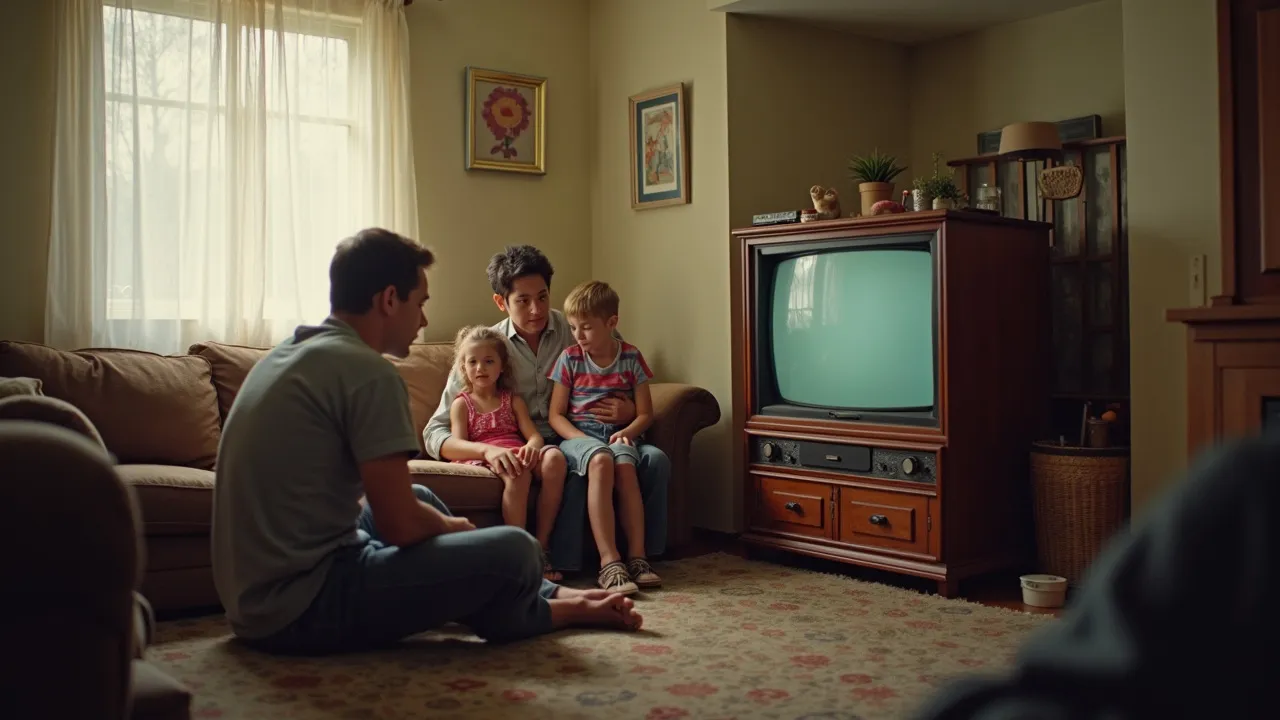
National Television Heritage Day on July 1st honors the history, technology, and cultural impact of television. It encourages preservation of classic shows, vintage sets, and broadcasting milestones.
The Historical Origins & Evolutionary Journey
National Television Heritage Day, observed on July 1st, traces its roots to the early 21st century when a coalition of television historians, archivists, and broadcasters recognized the urgent need to preserve television's legacy. The day was first celebrated in 2008, spearheaded by the National Television Heritage Foundation (NTHF).
The Foundational Catalyst
Television, since its commercial introduction in the late 1930s, rapidly became the dominant medium for entertainment, news, and cultural exchange. By the 2000s, millions of hours of programming were at risk due to decaying physical media, format obsolescence, and corporate neglect. The founding of the NTHF aimed to raise public awareness about preservation efforts.
Early Preservation Challenges
Most early television broadcasts were live and not recorded. The invention of videotape in the 1950s allowed recording, but many tapes were reused or discarded. The Journal of Broadcasting estimated in 2005 that only 5% of early TV content survived. This crisis galvanized archivists.
The Legislative/Official Adoption
In 2007, the U.S. Senate passed a resolution designating July 1st as National Television Heritage Day, citing television's role in shaping American culture and the importance of preserving its artifacts. The date was chosen to coincide with the anniversary of the first experimental television broadcast by Philo Farnsworth on July 1, 1928 – though that date is debated, it served as a symbolic anchor.
Modern Global Legacy
Today, the day is observed not only in the United States but also by international broadcasters, museums, and fan communities. Activities include curated screenings, restoration workshops, and social media campaigns using #TVHeritageDay. The day has inspired similar observances in the UK, Japan, and Australia.
How to Celebrate National Television Heritage Day
Celebrating National Television Heritage Day is about honoring TV's past, present, and future. Here are concrete ways individuals, schools, and organizations can participate:
- Organize a Vintage TV Viewing Party: Gather family or friends to watch a classic black-and-white show or a landmark episode from the 1950s on a restored vintage set. Use rabbit ears for an authentic experience.
- Visit a Broadcast Museum: Many cities have museums dedicated to television history. Plan a trip to see original cameras, sets, and costumes. Check local listings for special July 1st events.
- Digitize Home Recordings: Convert old VHS tapes or Betamax recordings of cherished shows to digital formats. Share them with family or donate to archival projects.
- Educational Workshops: Schools can host sessions on TV history, from cathode ray tubes to streaming. Students can create a timeline of television milestones.
- Social Media Tributes: Post a photo of your favorite TV memorabilia or a screenshot from a classic show. Use #NationalTelevisionHeritageDay to join the global conversation.
- Support Preservation Initiatives: Donate to organizations like the Paley Center for Media or the Library of Congress Moving Image Section.
Cultural Impact & Societal Themes
Television has profoundly shaped modern culture, acting as a mirror and molder of societal values. From the civil rights movement broadcast in grainy black-and-white to the global reach of satellite TV, the medium has been a force for both unity and division.
The Golden Age and Beyond
The 1950s and 60s are often called the "Golden Age of Television," with iconic shows like I Love Lucy and The Twilight Zone setting standards for storytelling. The transition to color in the 1960s revolutionized visual aesthetics. The 1980s brought cable and 24-hour news networks, while the 2000s saw the rise of reality TV and high-definition broadcasts.
Television as a Social Connector
Major events like the moon landing (1969) or the fall of the Berlin Wall (1989) were shared experiences seen by billions. Television created a collective memory and a common cultural vocabulary. However, critics note that it also fostered passivity and, later, fragmentation with niche channels.
Technological Milestones & Innovations
The evolution of television technology is a story of relentless innovation. Key breakthroughs include:
- Mechanical Television (1920s): John Logie Baird and others used spinning disks to transmit crude images.
- Electronic Television (1930s): Philo Farnsworth's dissector tube and Vladimir Zworykin's iconoscope enabled all-electronic scanning.
- Color Television (1950s-60s): The NTSC standard popularized color broadcasts, starting with CBS and NBC.
- Cable and Satellite (1970s-80s): HBO (1972) and CNN (1980) expanded choice and introduced pay-TV.
- Digital Television (1990s-2000s): ATSC standards allowed high-definition broadcasts and multicasting.
- Streaming & Smart TVs (2010s-present): Netflix, Hulu, and YouTube disrupted linear viewing, leading to on-demand culture.
Each innovation brought new ways to experience content, and the day celebrates these engineering marvels.
Economic Significance & Industry Transformation
The television industry has been a powerhouse of the global economy, generating hundreds of billions in advertising revenue, subscription fees, and content licensing. In the U.S. alone, broadcast television contributed over $100 billion annually in the 2010s.
Advertising and Commercial Culture
TV commercials became an art form, from the iconic Apple 1984 Super Bowl ad to catchy jingles. The Super Bowl itself is a testament to TV's economic pull, with a 30-second spot costing millions.
Transition to Streaming
The rise of streaming services like Netflix and Disney+ has upended the traditional model, leading to cord-cutting and a boom in original content production. Industry employment in content creation remains robust, while hardware manufacturing has shifted abroad. National Television Heritage Day also honors the workers behind the scenes.
Preservation Challenges & Archival Efforts
Preserving television heritage is a race against time. Many early broadcasts were never recorded; others exist only on fragile film or tape. Key challenges include:
- Physical Degradation: Magnetic tape loses signal over time, and film can shrink or discolor.
- Format Obsolescence: Players for quad videotape or U-matic are rare.
- Legal Hurdles: Copyright and ownership issues hinder archiving of many shows.
- Funding Shortfalls: Institutions often lack resources for systematic preservation.
National Television Heritage Day promotes donations and volunteer efforts for digitization projects. The Internet Archive and Museum of Classic Chicago Television are examples of grassroots preservation.
Historical Timeline
Philo Farnsworth demonstrates the first fully electronic television system to the press on July 1, providing the symbolic date for National Television Heritage Day.
The BBC begins the world's first regular high-definition television service from Alexandra Palace, London.
Cable television is invented in the United States to bring signals to rural areas; the first systems are deployed in Pennsylvania.
The first color television sets go on sale in the U.S. after the NTSC standard is approved, with NBC leading color broadcasting.
Telstar, the first communications satellite, relays live television across the Atlantic, heralding global TV.
HBO (Home Box Office) launches, pioneering premium cable subscription service and pay-TV.
The fall of the Berlin Wall is broadcast live around the world, demonstrating television's power to unite people in historic moments.
The Telecommunications Act of 1996 in the U.S. deregulates media ownership, leading to consolidation and the rise of mega-networks.
Netflix launches its streaming service, transforming television consumption from linear to on-demand.
First official National Television Heritage Day celebrated on July 1, organized by the National Television Heritage Foundation.
The Library of Congress announces its television archive now includes over 200,000 programs, highlighting preservation growth.