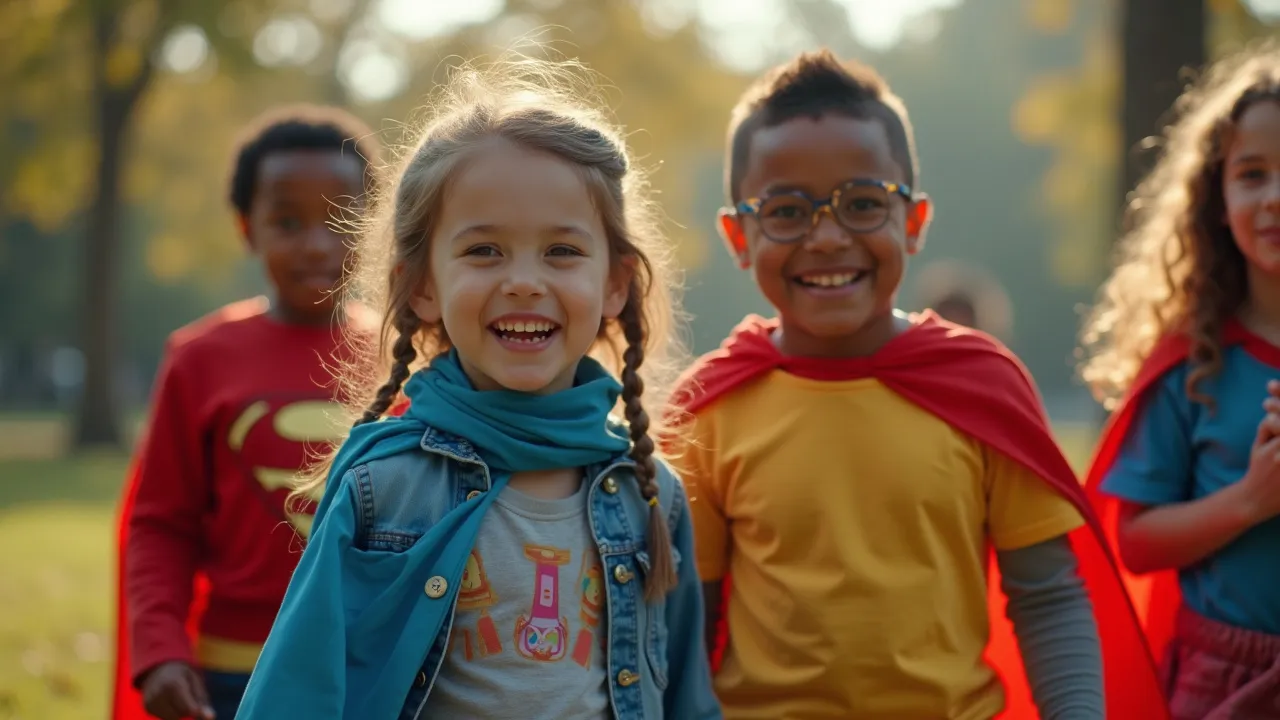
National Superhero Day, observed annually on April 28th, celebrates the heroic figures of comics, movies, and real life. Founded in 1995 by Marvel Comics employees, it honors both fictional icons and everyday heroes who inspire courage and selflessness.
The Historical Origins & Evolutionary Journey
The Foundational Catalyst
National Superhero Day originated in 1995 at Marvel Comics headquarters in New York City. A group of employees, passionate about the superhero genre, proposed a dedicated day to recognize both fictional characters and real-life heroes. The idea gained support from management and was launched as an internal celebration that soon spread to comic book stores and fan communities.
The Official Adoption
By the late 1990s, the day had become a grassroots phenomenon, with schools and libraries hosting superhero-themed events. In 2001, a formal proclamation by the city of New York recognized April 28 as National Superhero Day, solidifying its place in the calendar. The date was chosen to coincide with the end of National Volunteer Month, linking heroism to community service.
Modern Global Legacy
Today, National Superhero Day is celebrated worldwide. In the United States, hospitals organize superhero visits for children, while schools hold costume parades and lessons on courage. Internationally, countries like the United Kingdom and Australia have adopted the day, often focusing on local superheroes from folklore or pop culture. The day has evolved to include digital celebrations, with social media campaigns encouraging people to share stories of real-life heroes.
How to Celebrate National Superhero Day
Individual Celebrations
- Dress Up: Wear your favorite superhero costume for the day, whether it's Superman, Wonder Woman, or an original creation.
- Media Marathon: Watch superhero movies or read comic books. Many streaming services curate special playlists for the day.
- Random Acts of Kindness: Perform heroic deeds like helping a neighbor or donating to charity, embodying the spirit of heroism.
School and Community Activities
- Hero Day Fundraiser: Organize a bake sale or fun run with superhero themes, proceeds donated to local charities.
- Guest Speakers: Invite first responders, veterans, or community leaders to speak about real-life heroism.
- Costume Parade: Host a parade around the school or community center, with prizes for best costumes.
Global Variations
In Japan, the day often highlights anime and manga superheroes like Sailor Moon and My Hero Academia characters. In the United Kingdom, celebrations emphasize the courage of National Health Service workers. In Latin America, traditional folk heroes like El Santo are honored alongside comic book icons. Regardless of location, the core message remains: everyone can be a superhero through compassion and bravery.
The Cultural Impact of Superheroes
Superheroes as Modern Mythology
Superheroes have become the mythology of the modern world, serving as archetypes of good versus evil. From Superman's immigrant story to Black Panther's afrofuturism, these characters reflect societal values and struggles. National Superhero Day provides a moment to reflect on how these narratives shape our understanding of justice and identity.
Merchandising and Economy
The superhero industry generates billions annually, from movies and video games to toys and apparel. The day boosts sales at comic book stores and costume shops, with many offering discounts. This economic impact underscores the cultural ubiquity of superheroes.
Diversity and Inclusion
Recent years have seen a push for more diverse superheroes, including characters of color, LGBTQ+ heroes, and those with disabilities. National Superhero Day highlights these inclusive stories, promoting representation and inspiring marginalized groups.
Superheroes in Media and Entertainment
From Comics to Blockbusters
The journey of superheroes from comic book pages to cinema screens is a testament to their lasting appeal. The 1978 Superman film set the stage, followed by the 1989 Batman. The 2008 release of Iron Man launched the Marvel Cinematic Universe, a cultural behemoth that now spans over 30 films. National Superhero Day celebrates these media milestones.
Television and Animation
Animated series like Batman: The Animated Series and Spider-Man: The Animated Series brought heroes to younger audiences. Live-action TV shows such as The Flash and Supergirl continue to expand the universe. Streaming platforms have also produced acclaimed series like The Boys, which deconstructs the genre.
Video Games
Interactive storytelling in games like Marvel's Spider-Man and Batman: Arkham allows players to embody their favorite heroes. National Superhero Day often sees discounts on superhero games and in-game events.
Everyday Heroes: Real-Life Superheroes
First Responders and Frontline Workers
National Superhero Day extends beyond fiction to honor real-life heroes: firefighters, police officers, paramedics, and healthcare workers. During the COVID-19 pandemic, healthcare workers were hailed as superheroes for their bravery. Many communities host appreciation events on April 28.
Volunteers and Activists
Everyday people who volunteer at shelters, mentor youth, or fight for social justice are also recognized. The day encourages everyone to perform a heroic act, no matter how small. Schools often organize service projects that align with the theme of heroism.
Animal Heroes
Working dogs, therapy animals, and rescue animals are celebrated as heroes too. Some organizations hold pet parades or adoption drives on National Superhero Day.
The Future of Superheroes
Emerging Technologies
Virtual reality and augmented reality are creating new ways to experience superhero stories. National Superhero Day may soon include VR events where fans can train like their favorite heroes. AI-generated content could also produce personalized superhero stories.
Global Storytelling
As the world becomes more connected, superhero tales from different cultures gain recognition. Indian superhero Shaktimaan, African superhero Anansi, and Brazilian hero Capitão América are finding global audiences. Future celebrations will likely highlight these diverse narratives.
Environmental Heroes
With climate change concerns, new eco-superheroes like Swamp Thing and Solar Man promote environmental stewardship. The day may incorporate green themes, encouraging fans to act heroically for the planet.
Historical Timeline
Superman debuts in Action Comics #1, launching the superhero genre.
Batman appears in Detective Comics #27, introducing a darker hero archetype.
The Fantastic Four are created, ushering in the Marvel Age of Comics.
Spider-Man first appears in Amazing Fantasy #15, becoming a cultural icon.
The X-Men debut, exploring themes of prejudice and diversity.
Superman: The Movie is released, establishing the modern superhero film.
Tim Burton's Batman reinvents the superhero movie with a dark tone.
National Superhero Day is founded by Marvel Comics employees, first celebrated on April 28.
Iron Man launches the Marvel Cinematic Universe, transforming superhero cinema.
Black Panther becomes a landmark film for representation and cultural impact.
Avengers: Endgame becomes the highest-grossing film of all time, culminating a decade of storytelling.