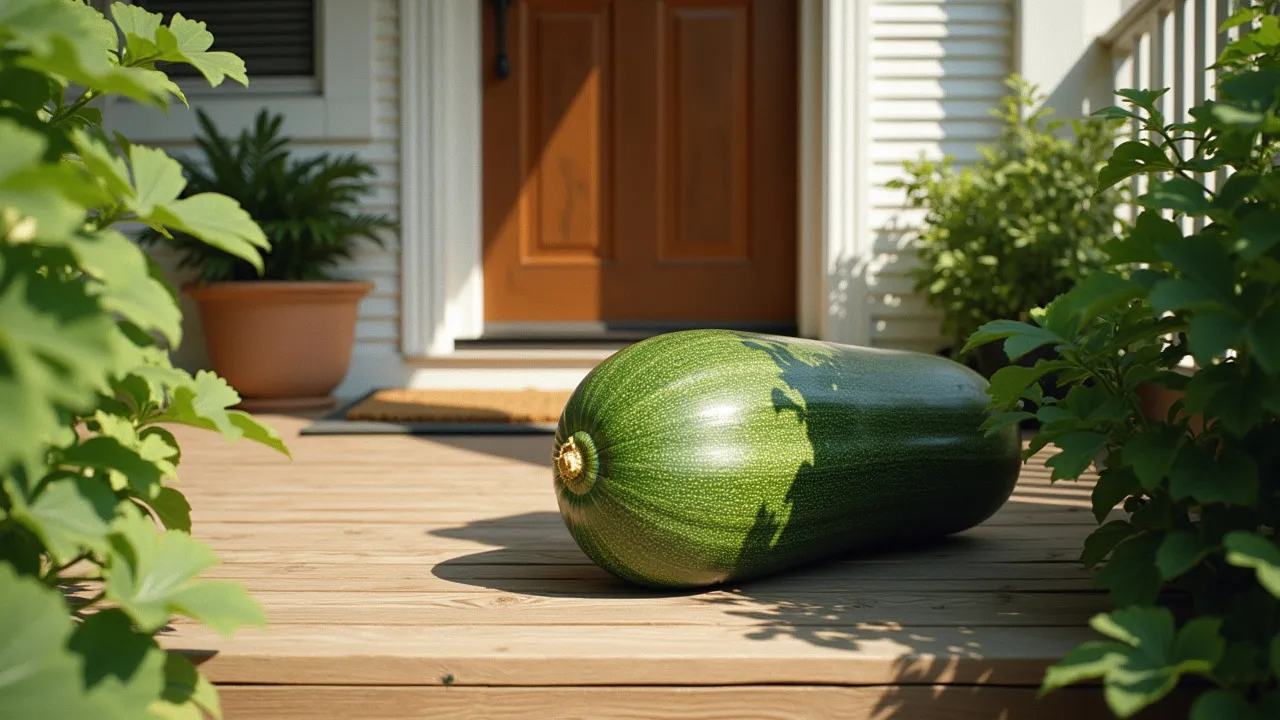
Celebrated on August 8th, this whimsical holiday encourages sharing excess garden zucchini by secretly leaving them on neighbors' porches. It fosters community bonding and reduces food waste while celebrating the summer squash bounty.
The Historical Origins & Evolutionary Journey of National Sneak Some Zucchini Into Your Neighbor's Porch Day
National Sneak Some Zucchini Into Your Neighbor's Porch Day, observed annually on August 8th, is a uniquely American celebration born from the universal gardener's dilemma: an overabundance of zucchini. This day turns a potential waste problem into a fun, community-building activity. While its exact origins are murky, the holiday reflects a deep-seated cultural tradition of sharing harvests and fostering neighborly bonds.
The Foundational Catalyst: The Zucchini Glut
Zucchini, a summer squash (Cucurbita pepo), is infamous for its prolific production. A single plant can yield up to 10 pounds of fruit per season, often overwhelming home gardeners. By late July and early August, many find themselves with more zucchini than they can consume, preserve, or give away. This surplus created a natural opportunity for a playful, anonymous sharing tradition. The first recorded instance of 'sneaking' zucchini onto porches likely occurred in small suburban communities in the 1990s, where neighbors would leave bags of squash on each other's doorsteps to avoid awkward refusals.
Growth and Popularization: From Local Laugh to National Holiday
As stories of zucchini 'drive-by' drop-offs spread through community newsletters and early internet forums, the concept gained traction. By the early 2000s, websites and social media groups began promoting a designated day for the practice. The choice of August 8th is strategic: it falls during the peak zucchini harvest season in the Northern Hemisphere, when gardens are bursting. The holiday's whimsical name—'Sneak Some Zucchini Into Your Neighbor's Porch'—was likely coined by a gardening blogger and quickly adopted by food enthusiasts. While never officially recognized by government bodies, it has been embraced by local gardeners' associations, farmers' markets, and recipe bloggers as a lighthearted way to address food waste and community spirit.
Modern Global Legacy: A Symbol of Generosity and Sustainability
Today, the holiday is celebrated across the United States and has inspired similar events internationally. It has evolved to include variations such as leaving recipe cards alongside the zucchini, using decorative baskets instead of plastic bags, and coordinating with local food banks to donate surplus. The day now serves as a reminder of the values of sharing, reducing food waste, and building stronger neighborhoods. In an era of digital isolation, this analog act of kindness continues to resonate deeply.
How to Celebrate National Sneak Some Zucchini Into Your Neighbor's Porch Day
Celebrating this day is simple, fun, and requires only a few steps. The goal is to anonymously leave fresh zucchini on a neighbor's porch—or doorsteps—without being detected. Below are comprehensive guidelines for individuals, families, schools, and organizations.
Step-by-Step Guide for Individuals and Families
- Prepare Your Zucchini: Wash and dry the zucchini to remove any dirt. Consider leaving a note with a recipe or a fun fact about zucchini. Use reusable bags or baskets to reduce waste.
- Choose Your Target: Pick a neighbor who might appreciate the gift—or someone you'd like to get to know better. Avoid homes with obvious food allergies signs or where you know they dislike zucchini.
- Plan Your Approach: Sneak over early in the morning (before 8 a.m.) or during dinner time (6-8 p.m.) when people are less likely to be outside. Walk, bike, or drive slowly. Wear nondescript clothing and avoid ringing the doorbell.
- Make the Drop: Quietly place the zucchini on the porch, near the door but not blocking it. If you want to be extra sneaky, tuck it behind a potted plant or inside a decorative crate. Leave immediately without looking back.
- Keep It Anonymous: Avoid leaving any identifying information unless you intend to start a conversation later. The fun is in the mystery!
Celebration Ideas for Schools and Community Groups
- Neighborhood Zucchini Drop-Off Party: Organize a group of friends or neighbors to simultaneously drop zucchini on multiple porches in a single street. Turn it into a fun event with maps and timers.
- Zucchini Recipe Exchange: Combine the drop with a virtual or in-person recipe swap. Leave printed recipes alongside the zucchini for recipients to try.
- Food Bank Collaboration: Some communities coordinate with local food banks to ensure any zucchini that might go to waste is instead donated. Encourage participants to drop extra zucchini at a collection point.
- School Educational Programs: Teachers can explain the holiday as part of a lesson on gardening, nutrition, or community service. Students can create 'zucchini drop kits' and learn about food waste.
Regional Traditions and Variations
In the United States, the day is primarily celebrated in suburbs and rural areas with active gardens. In Canada, where zucchini harvests also peak in August, similar events occur under the name 'Zucchini Sharing Day'. In the United Kingdom, the concept has been adapted to courgettes (the local term) and often includes a charity component. In Japan, a culture of omiyage (souvenir-giving) has inspired a polite version where zucchini are wrapped beautifully and left with explanatory notes. In Australia, the celebration coincides with the tail end of their summer harvest in February, so some communities observe an alternative 'National Sneak Zucchini Day' in February. Always check with local customs.
Global Impact and Cultural Adaptations
While deeply rooted in American gardening culture, the spirit of sharing surplus produce has universal appeal. National Sneak Some Zucchini Into Your Neighbor's Porch Day has inspired similar unofficial observances worldwide, each adapting the tradition to local norms.
United States: The Heartland of Zucchini Sneaking
In the U.S., the day is most popular in states with strong gardening traditions, such as California, Texas, Florida, and the Midwest. Many local gardening clubs and farmers' markets promote the event. Some communities have turned it into a friendly competition, with prizes for the most creative zucchini drop (e.g., the zucchini is dressed up in a costume, or left in a homemade basket). The day also functions as a gentle reminder to check on elderly neighbors and share the harvest.
International Adaptations
- Canada: Known as 'Zucchini Day', celebrated on the same date, with many participants leaving bilingual notes (English and French) and often pairing the zucchini with a small maple syrup sample.
- United Kingdom: The event is called 'Courgette Surprise Day' and is observed on the first Saturday of August. Brits tend to leave the courgettes with a suggested price (e.g., 'Free to a good home') to avoid any legal grey areas about unsolicited food.
- Australia and New Zealand: Due to the opposite growing seasons, these countries celebrate in February and March during their late summer. The tradition is often part of larger 'Harvest Festival' activities.
- Japan: Known as 'Zucchini Omiyage Day', the focus is on beautiful presentation. Zucchini are often wrapped in furoshiki (traditional wrapping cloth) and left with an apologetic note for the intrusion.
These variations highlight the adaptability of the holiday and its core message of generosity and reducing food waste across cultures.
Health and Nutritional Benefits of Zucchini
Zucchini is not only abundant but also highly nutritious. Understanding its health benefits adds depth to the celebration and encourages recipients to enjoy the surprise.
Nutritional Profile
- Low in Calories: One cup of cooked zucchini contains about 27 calories, making it an excellent addition to weight management diets.
- Rich in Vitamins: It is a good source of vitamin C (boosts immune system), vitamin A (supports eye health), and several B vitamins like folate and B6.
- High in Fiber: Zucchini contains both soluble and insoluble fiber, aiding digestion and promoting heart health.
- Packed with Antioxidants: The skin and seeds contain carotenoids like lutein and zeaxanthin, which protect against eye diseases.
- Hydration: With 95% water content, zucchini helps maintain hydration and can be refreshing in summer.
Cooking Tips to Make the Most of the Gift
Recipients of a surprise zucchini often wonder how to use it. Including a simple recipe card with the drop can be very helpful. Popular uses include: grilling slices with olive oil and herbs, shredding for zucchini bread or muffins, sautéing with garlic for a quick side dish, or spiralizing into 'zoodles' for a low-carb pasta alternative. Zucchini can also be pickled or preserved for winter use. If the zucchini is large, it may be more seedy—these are best for baking rather than fresh eating.
Environmental Impact: Reducing Food Waste Through Sharing
One of the most significant benefits of this holiday is its contribution to reducing food waste. In the United States, approximately 30-40% of the food supply is wasted, much of it from home gardens where produce goes unharvested or spoils. By sneaking zucchini onto porches, the holiday encourages immediate redistribution, turning potential waste into a gift.
Zucchini as a Case Study in Garden Surplus
Zucchini is notoriously productive. A single plant can produce up to 10 pounds of fruit over a few weeks. Without intervention, much of this would be left to rot in the garden. The holiday provides a structured, fun way to harvest and share the surplus. In addition, it reduces the need for recipients to buy produce, lowering the carbon footprint associated with transportation and packaging.
Beyond Zucchini: Applying the Same Principle
The success of this day has inspired similar offshoots, such as 'Sneak Some Tomatoes Onto Your Neighbor's Porch Day' (celebrated on August 27th) and 'Sneak Some Cucumbers Day' (September 15th). These unofficial holidays mimic the same structure and help combat food waste in other garden vegetables. Some communities have even extended the concept to non-produce items, like books or household goods, creating a broader sharing economy.
From an environmental perspective, the holiday promotes local food consumption, reduces reliance on commercial agriculture for seasonal produce, and fosters a sense of community resilience. It is a small but meaningful step towards a more sustainable and connected world.
Legal and Ethical Considerations of Food Sharing
While the holiday is meant in good fun, participants should be aware of potential legal and ethical issues surrounding unsolicited food gifts. The following points will help ensure a positive experience for everyone.
Legal Concerns
- Property Laws: Leaving items on someone's porch is generally considered a 'gift' and not trespassing, but be cautious if the property has 'no soliciting' signs. In most cases, it is harmless.
- Food Safety: Some jurisdictions have strict liability laws regarding food distribution. To minimize risk, only leave fresh, clean, undamaged zucchini that you would eat yourself. Avoid adding any loose written ingredients that might imply a recipe was prepared for consumption (i.e., don't claim it's organic unless certified).
- Allergies and Dietary Restrictions: While zucchini is not a major allergen, some people have oral allergy syndrome to raw squash. Including a note with a disclaimer (e.g., 'Please wash before eating') is wise.
- Theft: If you leave a zucchini and it disappears before the recipient gets it, that's not your problem. But to avoid misunderstandings, don't leave it in a spot that looks like trash.
Ethical Etiquette
- Anonymity Respect: The fun is in the mystery. If the recipient wants to thank you, they will find a way. Do not reveal yourself unless asked.
- Reciprocity: Do not expect anything in return. The gift is pure generosity. If you receive a zucchini, consider paying it forward to another neighbor.
- Quantity Control: Do not overwhelm a neighbor with more than a couple of zucchini. One or two medium-sized pieces are perfect. If you have a huge harvest, consider donating the rest to a food bank.
By following these guidelines, participants can ensure the holiday remains a positive, safe, and enjoyable tradition for all.
Historical Timeline
First recorded observance of National Sneak Some Zucchini Into Your Neighbor's Porch Day, believed to have originated in a suburban community in the Pacific Northwest as a playful solution to excess garden zucchini.
The holiday gains traction on early gardening forums and recipe websites, with enthusiasts sharing stories and promoting August 8th as the official date.
The day is featured in a popular gardening magazine, leading to a surge in participation across the United States. Local news outlets begin covering the event.
Social media platforms, especially Facebook and Pinterest, help the holiday go viral. Thousands of users post photos of their 'zucchini drops' and recipe ideas.
The first official 'Zucchini Drop' community event is organized in Portland, Oregon, where participants gather to coordinate mass drops on a single street.
During the COVID-19 pandemic, the holiday sees renewed interest as a safe, socially distanced way to connect with neighbors. Virtual celebrations and recipe swaps become popular.