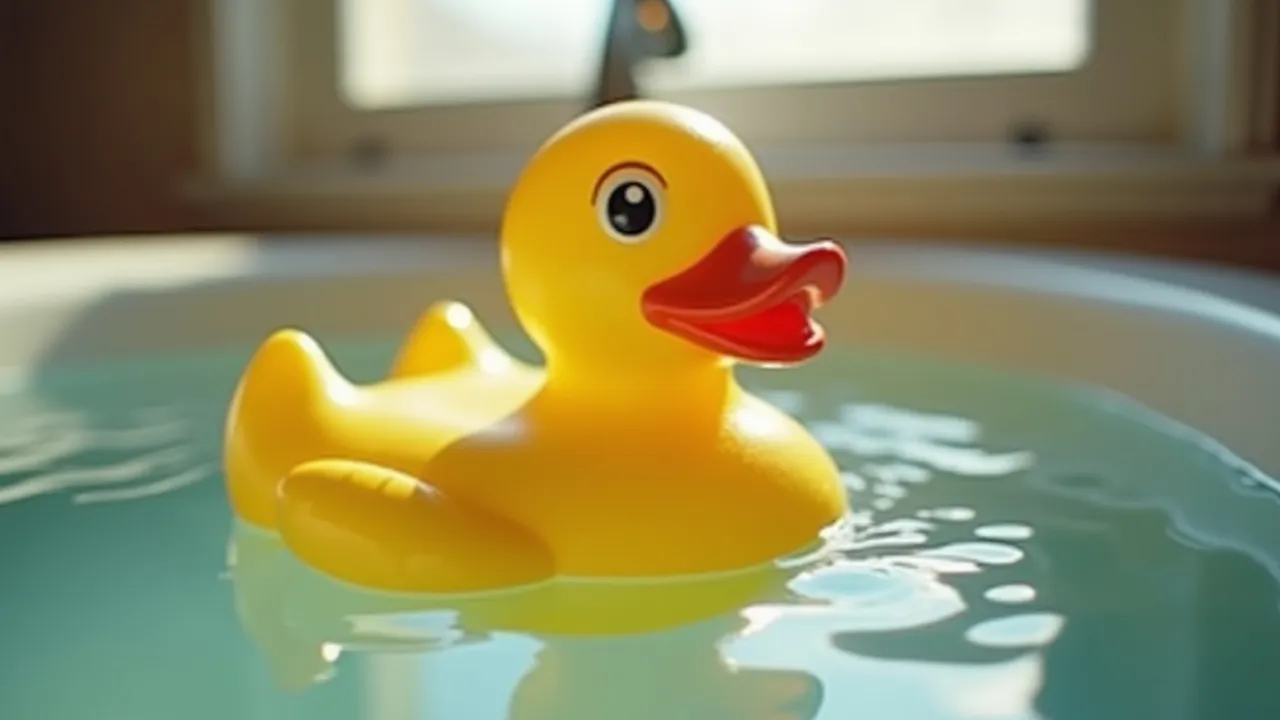
National Rubber Ducky Day on January 13th celebrates the iconic bathtub toy that has brought joy to generations. Learn about its history, cultural impact, and creative ways to honor this cheerful yellow companion.
The Historical Origins & Evolutionary Journey
National Rubber Ducky Day, observed annually on January 13th, honors one of the most beloved and enduring toys in history: the rubber duck. While the exact origins of the day are somewhat murky, it is widely believed to have been inspired by the birthday of Sesame Street's beloved character Ernie, who famously sang "Rubber Duckie" to his yellow companion on the show. The day has since evolved into a global celebration of childhood nostalgia, bath-time fun, and even serious hydrotherapy and collectible culture.
The Foundational Catalyst: Ernie's Anthem
On January 13, 1970, the first episode of Sesame Street aired featuring Ernie singing "Rubber Duckie" – a song that would become a cultural phenomenon. Written by Jeff Moss, the tune peaked at No. 16 on the Billboard Hot 100 in 1970 and won a Grammy Award for Best Children's Recording. This performance cemented the rubber duck's status as a pop icon. Decades later, fans and collectors began informally celebrating January 13th as Rubber Ducky Day, which gained official recognition through grassroots efforts and social media.
Legislative/Official Adoption
While no single legislative body declared January 13th as National Rubber Ducky Day, it has been recognized by various toy associations, children's museums, and bath product retailers. In the United States, the day is listed on many calendar observances, and the Rubber Ducky Day Foundation (an informal group of collectors) has promoted it since the early 2000s. The day is also embraced by the World of Rubber Ducks museum and online communities.
Modern Global Legacy
Today, the rubber duck is more than a toy. It symbolizes childhood joy, bath safety (as a floating companion), and even political protest (as seen in the 1992 giant rubber duck incident in the Pacific Ocean). Major events include the annual Rubber Duck Derby races, where thousands of sponsored ducks race for charity. The day also highlights the evolution of the toy from simple latex to sophisticated vinyl and collectible editions themed after pop culture icons.
How to Celebrate National Rubber Ducky Day
Classic Bath-Time Rituals
- Give your rubber duck a warm bath with gentle soap and water to keep it clean and squeaky.
- Organize a family bubble bath party with multiple ducks of different sizes and colors.
Creative Activities for All Ages
- Duck Decorating: Buy plain rubber ducks and decorate them with waterproof paint, glitter, or stickers.
- Photography Contest: Capture your duck in fun poses around the house or outside and share on social media with #NationalRubberDuckyDay.
- Rubber Duck Derby: Host a mini duck race in a pool or stream; each duck can represent a participant or charity.
Corporate and School Celebrations
- Schools can hold rubber duck-themed storytime (e.g., reading 10 Little Rubber Ducks by Eric Carle).
- Offices can give out mini rubber ducks as stress relievers and host a duck-on-desk decorating contest.
- Retailers often offer discounts on bath toys and rubber duck merchandise.
Global Traditions
In the United States, the day is marked by charitable duck races and social media blasts. In the UK, some communities hold duck-themed pub quizzes. In Japan, limited-edition rubber ducks are released by toy manufacturers, and fans create elaborate photo albums. In Germany, aquariums sometimes celebrate by providing floating ducks for waterfowl exhibits.
The Rubber Duck in Pop Culture and Art
The rubber duck has transcended its humble bathtub origins to become a symbol in art, music, and media. From its starring role in Sesame Street to the iconic Giant Rubber Duck installations by Dutch artist Florentijn Hofman, the duck has appeared in countless contexts. Hofman's enormous inflatable duck, which has toured harbors worldwide since 2007, measures over 16 meters tall and has been seen in Hong Kong, Sydney, and Pittsburgh, drawing millions of visitors. In music, besides Ernie's original, songs like "Rubber Duckie" by the cast of Glee and various indie bands keep the tune alive. The duck also appears in films such as Toy Story and Finding Dory, often as a background prop that evokes comfort. Collectors seek rare editions, including ducks dressed as historical figures, superheroes, or even famous paintings like the Mona Lisa duck
Artists have used the rubber duck to comment on consumerism and childhood. For instance, the Quack Parade in New York features hundreds of customized ducks. The duck's simple, cheerful form makes it a versatile canvas for expression.
Charitable and Community Impact
Rubber ducks have become powerful fundraising tools through the phenomenon of duck races. In a typical charity duck race, thousands of numbered rubber ducks are released into a waterway, and the first duck to cross the finish line wins a prize for its sponsor. These events raise millions of dollars annually for organizations like the Special Olympics, United Way, and local children's hospitals. The largest such event is the Great American Duck Race in Deming, New Mexico, though it uses live ducks. Rubber duck races are safer and more whimsical. During National Rubber Ducky Day, many communities organize mini-races or online duck adoptions. The simplicity of the toy makes it accessible for all ages to participate. Additionally, some schools use duck-themed math problems (e.g., counting ducks, estimating race outcomes) to teach probability and charity. The day also encourages sanitation: many companies donate rubber ducks to less fortunate children to promote bath safety and hygiene education. Thus, the humble duck becomes an ambassador for social good.
Collecting and the Rubber Duck Economy
The rubber duck collecting community is vibrant and global. Enthusiasts seek vintage ducks from the 1940s–1960s, rare promotional ducks (e.g., from McDonald's or Disney), and limited-edition artist series. The most expensive rubber duck ever sold was a one-of-a-kind diamond-studded duck made by French jeweler Van Cleef & Arpels, valued at over $10,000. Other notable collections include the Rubber Duck Museum in Texas, which boasts over 4,000 unique ducks. Online marketplaces like eBay see spikes in searches for "vintage rubber duck" around January 13th. Manufacturers like Munchkin, Skip Hop, and Bath Duck release annual special editions. The day also fuels the economy of small artisans who create personalized ducks with names, logos, or themes. For beginners, tips include:
- Start by collecting ducks from specific decades or themes (e.g., holiday ducks, animal ducks).
- Attend virtual or local swap meets; many are held on or near January 13th.
- Store ducks away from direct sunlight to preserve their color and prevent cracking.
The Science of Squeak: Manufacturing and Safety
Modern rubber ducks are generally made from polyvinyl chloride (PVC) or vinyl, manufactured via a process called rotocasting or injection molding. The iconic squeaker is a small plastic piece inserted before sealing; its sound is produced by air forced through a reed. Safety has been a concern: early ducks from the 1970s sometimes contained phthalates (softeners) linked to health risks. Today, most ducks intended for children are BPA-free and phthalate-free. The Consumer Product Safety Commission in the US and similar bodies in the EU have strict guidelines for toys. During National Rubber Ducky Day, educational content often highlights how to inspect ducks for mold (since they can trap water inside) and how to clean them: washing in hot soapy water or placing them in a dishwasher (top rack) periodically. Some collectors recommend boiling vintage ducks to sanitize them. The enduring appeal of the rubber duck lies in its simple, safe design that has remained nearly unchanged for over 80 years, a testament to successful engineering.
Historical Timeline
The first rubber ducks were produced as bathtub toys, made from hard rubber (later vinyl). They were not yet squeaky but buoyant.
The first documented squeaky rubber duck toy was patented by sculptor Peter Ganine and marketed as a floating bath toy.
Sesame Street premieres the song 'Rubber Duckie' sung by Ernie, sparking the duck's rise to pop icon status.
A cargo ship spills a container of 28,000 rubber ducks into the Pacific Ocean; the ducks drift for years, aiding oceanography studies and inspiring the book '10 Little Rubber Ducks'.
National Rubber Ducky Day is informally established by collectors and fans, fixed to January 13th in honor of Ernie's debut.
Florentijn Hofman launches the first Giant Rubber Duck sculpture in Saint-Nazaire, France, beginning a world tour.
The Rubber Ducky Day receives wider recognition through social media campaigns, with trending hashtags and official toy company promotions.
During the pandemic, virtual rubber duck races become popular fundraisers, and the day sees increased online celebration.