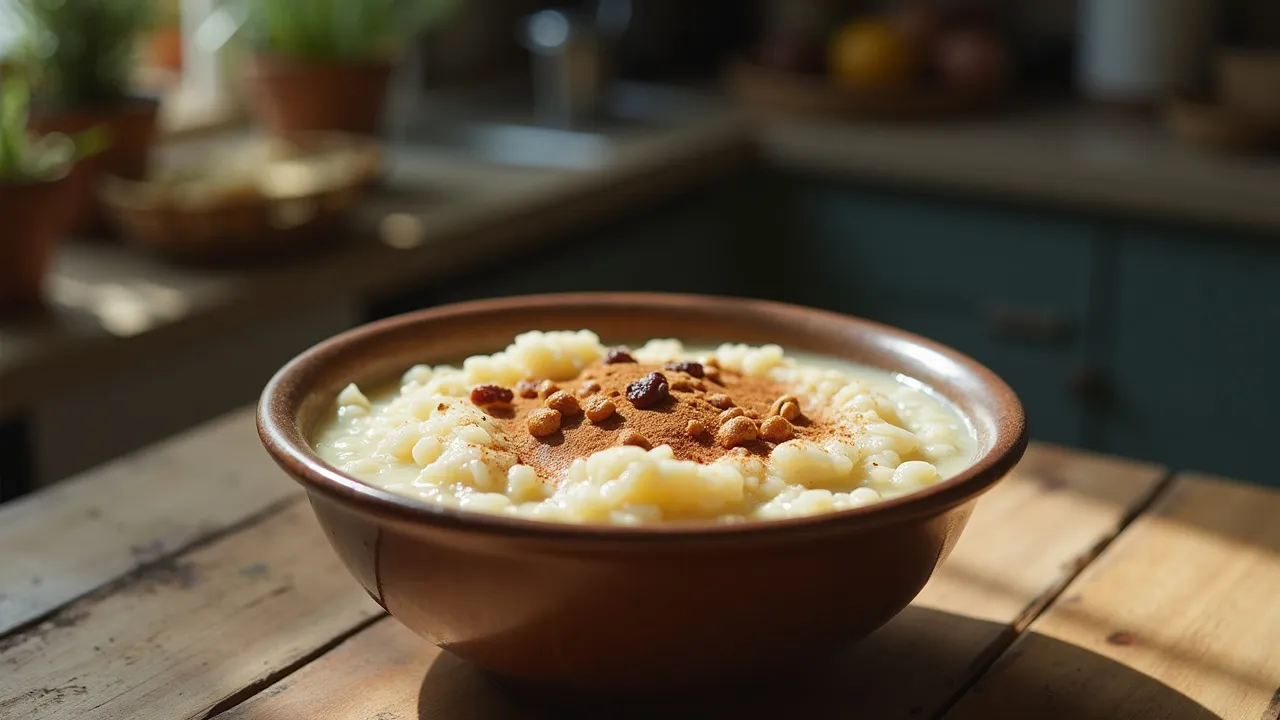
National Rice Pudding Day on August 9th celebrates the comforting, creamy dessert enjoyed worldwide. Explore its rich history, diverse regional variations, and fun ways to honor this beloved dish.
The Historical Origins & Evolutionary Journey
Rice pudding is one of the oldest and most widespread desserts in human history. Its origins trace back thousands of years to ancient Asia, where rice was first domesticated. Over centuries, the dish traveled trade routes, adapting to local ingredients and palates, eventually becoming a cherished comfort food on nearly every continent.
The Foundational Catalyst
The earliest known rice pudding recipes come from ancient China, where rice was boiled with milk or water and sweetened with honey. As trade expanded, the dish spread to India, the Middle East, and Europe. In medieval Europe, rice was an exotic import, and rice pudding became a delicacy for the wealthy, often flavored with saffron, almonds, and rosewater. The invention of modern rice pudding as we know it—creamy, sweet, and often baked—emerged in the 18th and 19th centuries when sugar and milk became more accessible.
The Legislative/Official Adoption
National Rice Pudding Day, observed on August 9th, does not have a single documented founder or legislative act. It appears to have originated as a grassroots appreciation day in the United States, possibly promoted by food enthusiasts and dairy industry groups to celebrate the enduring popularity of this humble dessert. The exact date may have been chosen to fall in summer, when fresh berries (common toppings) are in season.
Modern Global Legacy
Today, rice pudding remains a beloved dessert across the globe. In the United States, it is often associated with comfort food and nostalgia. In Latin America, arroz con leche is a staple, flavored with cinnamon and condensed milk. In Scandinavia, rice pudding is traditionally served at Christmas with a hidden almond for good luck. The United Kingdom enjoys a thick, baked version. In Asia, sweet rice puddings are made with coconut milk, mango, and tapioca. The annual celebration encourages home cooks to experiment with recipes and share the dish with loved ones.
How to Celebrate National Rice Pudding Day
National Rice Pudding Day offers endless ways to honor this timeless dessert. Whether you prefer classic simplicity or adventurous flavors, there's a celebration method for everyone. Below are actionable strategies for individuals, families, schools, and organizations.
For Individuals and Families
- Cook from scratch: Use leftover rice or cook fresh. Try a stovetop, baked, or Instant Pot recipe.
- Top creatively: Experiment with cinnamon, nutmeg, fresh fruit, caramel, or chocolate shavings.
- Host a tasting party: Invite friends to bring different regional versions (e.g., Indian kheer, Turkish sütlaç, Filipino champorado).
- Donate: Prepare a batch for a local shelter or elderly neighbor.
For Schools and Educational Groups
- Organize a cultural potluck where students bring rice pudding from their heritage.
- Teach the history and science of cooking rice and thickening agents.
- Hold a recipe contest with categories like "most traditional" and "most innovative."
For Businesses and Organizations
- Offer a free sample at restaurants or cafes with purchase.
- Share rice pudding recipes on social media with a dedicated hashtag (#NationalRicePuddingDay).
- Partner with local dairy farms or rice producers for special promotions.
Cultural Significance Around the World
Rice pudding holds a special place in many cultures, often tied to holidays, family traditions, and comfort. Its simplicity and versatility allow each culture to imprint its own identity onto the dish.
Asia: The Cradle of Rice Pudding
In India, kheer is a ceremonial dessert made with basmati rice, milk, sugar, cardamom, and nuts, served at festivals and weddings. In Thailand, khao tom mat is a sweet sticky rice pudding wrapped in banana leaves. The Philippines offers champorado, a chocolate rice pudding often eaten for breakfast.
Europe: From Royalty to Rustic
In the United Kingdom, traditional baked rice pudding is creamy with a golden skin, often flavored with nutmeg or jam. In Sweden, risgrynsgröt is a Christmas Eve tradition, served warm with a single almond: the finder is said to marry within the year. In Turkey, sütlaç is a baked rice pudding with a caramelized top, sold by street vendors.
Latin America: Sweet and Spiced
Arroz con leche is ubiquitous across Latin America, where it is simmered with cinnamon sticks, lime zest, and condensed milk. In Mexico, it is often served cold with a sprinkle of ground cinnamon. In Cuba, it may include raisins and a splash of rum.
Africa and the Middle East
In Egypt, roz bel laban is a simple rice pudding scented with rosewater and topped with nuts. In South Africa, it is often made with sweetened condensed milk and served at braais (barbecues).
Nutritional Aspects and Dietary Adaptations
Rice pudding can be part of a balanced diet when made with wholesome ingredients. It provides carbohydrates from rice, protein and calcium from milk, and can be adapted to various dietary needs.
Nutritional Highlights
- Carbohydrates: Provide energy, especially from white or brown rice.
- Calcium: Essential for bone health, especially when made with milk or fortified plant milks.
- Protein: Milk and eggs (if used) contribute to satiety.
Dietary Adaptations
- Vegan: Substitute dairy milk with coconut, almond, or oat milk, and use cornstarch or arrowroot as thickener.
- Gluten-free: Rice is naturally gluten-free; ensure no cross-contamination.
- Low-sugar: Use natural sweeteners like stevia, or rely on the sweetness of ripe fruit.
- High-protein: Add a scoop of protein powder or use Greek yogurt.
Global Varieties and Unique Recipes
The beauty of rice pudding lies in its adaptability. Here are some iconic regional preparations that showcase the dish's diversity.
Classic American Rice Pudding
- Stovetop version: Short-grain rice, whole milk, sugar, eggs, vanilla, and raisins.
- Baked version: Custard-like, often with a dusting of nutmeg.
Indian Kheer
- Simmered with full-fat milk, sugar, cardamom, saffron, and garnished with pistachios and almonds.
Turkish Sütlaç
- Baked in small clay pots, resulting in a creamy interior and caramelized brown crust.
Swedish Risgrynsgröt
- Thick, porridge-like, served with lingonberry jam and a pat of butter.
Thai Khao Niao Mamuang
- Sticky rice cooked in sweet coconut milk, served with fresh mango.
Rice Pudding in Pop Culture and Literature
Rice pudding appears in various forms of media, often as a symbol of comfort, home, or nostalgia. It has been referenced in literature, film, and music.
Literary Appearances
- In To Kill a Mockingbird by Harper Lee, Scout mentions that rice pudding is one of the foods she dislikes.
- In Anne of Green Gables by L. M. Montgomery, Marilla serves rice pudding as a simple dessert.
- The poem Rice Pudding by A. A. Milne celebrates the dish with childish delight.
Film and Television
- In the British comedy The Great British Bake Off, contestants have tackled rice pudding challenges.
- In various TV shows, rice pudding is often depicted as a nostalgic childhood treat, like in Friends where Monica makes her grandmother's recipe.
Historical Timeline
Earliest known rice cultivation in China and India; early forms of rice pudding likely emerge by boiling rice with milk and honey.
Rice pudding recipes appear in medieval European cookbooks, often flavored with saffron and almonds.
Sugar becomes widely available; sweet, creamy rice pudding becomes popular across Europe and colonial America.
Rice pudding becomes a staple in British boarding schools and American home kitchens, often baked or boiled.
Canned rice pudding is introduced, making the dessert more accessible. Instant mixes also appear.
Rice pudding gains popularity as a comfort food during World War II and post-war years.
National Rice Pudding Day (August 9th) is informally recognized in the United States, celebrated online and by food enthusiasts.
Rice pudding remains a global favorite with countless variations. Vegan and gluten-free options flourish, and the day is marked by recipe shares and community events.