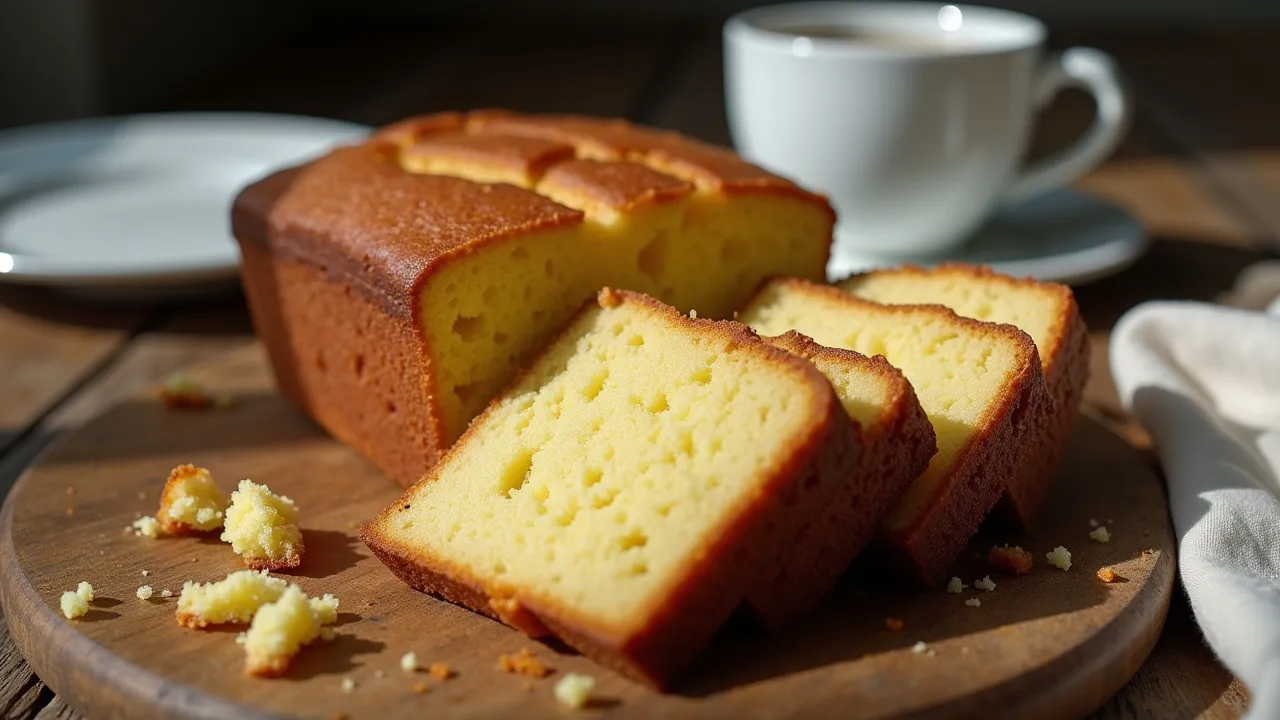
National Pound Cake Day, celebrated on March 4th, honors the dense, buttery cake that originated in Europe. Learn about its history, global variations, and how to enjoy this classic dessert.
The Historical Origins & Evolutionary Journey
National Pound Cake Day on March 4th celebrates a dessert with a rich history dating back to 18th-century Europe. The name 'pound cake' comes from the original recipe that used one pound each of flour, butter, sugar, and eggs. This simple ratio made it easy to remember and scale.
The Foundational Catalyst
The earliest known pound cake recipe appears in American Cookery (1796) by Amelia Simmons, the first American cookbook. However, similar cakes existed in Europe, especially in Britain and France, where pound cake was known as 'quatre-quarts' (four quarters). The recipe spread due to its simplicity and the availability of ingredients. Pound cake became a staple in American households, often baked for special occasions due to its richness.
The Legislative/Official Adoption
Unlike many food holidays, National Pound Cake Day is not officially proclaimed by the U.S. Congress. It emerged organically from baking communities, food blogs, and the National Confectioners Association's promotion of dessert days. By the late 20th century, it was widely recognized on calendars as March 4th, though the exact origin year is unclear.
Modern Global Legacy
Today, pound cake is a global phenomenon with countless variations: adding vanilla, lemon, almond, or cocoa; incorporating sour cream or cream cheese for moisture; or infusing with liqueurs. The dense, tender crumb makes it ideal for toasting, as a base for trifles, or simply enjoyed with fruit and whipped cream. National Pound Cake Day encourages bakers to honor tradition while innovating.
How to Celebrate National Pound Cake Day
Whether you're a seasoned baker or a novice, March 4th is the perfect day to indulge in pound cake. Here are some ways to celebrate around the world:
Traditional Baking
- Classic Pound Cake: Follow the 1:1:1:1 ratio of flour, butter, sugar, and eggs. Add a teaspoon of vanilla extract. Bake at 325°F (160°C) for 60-70 minutes.
- Variations: Try lemon pound cake (add zest and juice), chocolate pound cake (substitute 1/4 cup cocoa for flour), or marble pound cake.
- Gluten-Free Option: Use almond flour or a gluten-free blend with xanthan gum.
Creative Serving Ideas
- Pound Cake Trifle: Layer cubes with pudding, fruit, and whipped cream.
- Toasted Pound Cake: Slice and toast until golden, then serve with ice cream or berries.
- Pound Cake French Toast: Dip thick slices in egg mixture and fry.
Global Traditions
- France: Enjoy 'quatre-quarts' with a dusting of powdered sugar.
- Jamaica: Try 'pound cake' with grated coconut and rum.
- Mexico: Add cinnamon and serve with cajeta (goat's milk caramel).
Share your creations on social media with #NationalPoundCakeDay to join the global celebration.
The Science Behind the Perfect Pound Cake
The magic of pound cake lies in its chemistry. Understanding the role of each ingredient helps bakers achieve the ideal texture.
Ingredient Functions
- Butter: Provides flavor and fat for tenderness. Creaming butter with sugar creates air pockets that help the cake rise.
- Sugar: Not only sweetens but also stabilizes the foam and contributes to browning via caramelization.
- Eggs: Provide structure and moisture. The proteins coagulate during baking, setting the cake.
- Flour: Gluten development gives structure; too much gluten can make the cake tough.
Key Techniques
Room temperature ingredients ensure proper emulsification. Cream butter and sugar until light and fluffy (about 3-5 minutes). Add eggs one at a time, mixing well after each. Fold in flour gently to avoid overmixing. Bake at a moderate temperature (325°F/160°C) to allow even rising without burning the crust.
Common problems include a dry cake (overbaked or too much flour), a dense cake (overmixing or insufficient leavening), or a cracked top (oven too hot). Using a tube pan or loaf pan lined with parchment helps.
Regional Variations and Cultural Significance
Pound cake has adapted to local tastes worldwide, reflecting cultural preferences and available ingredients.
Americas
- United States: Often flavored with vanilla, lemon, or almond. Southern-style pound cake uses buttermilk for tanginess.
- Caribbean: Rum-soaked pound cakes are common, especially in Jamaica and Barbados.
- Brazil: Bolo de olho (pound cake) often includes coconut and condensed milk.
Europe
- France: Quatre-quarts typically uses equal weights; the Breton version includes salty butter.
- Italy: Ciambella is a ring-shaped pound cake flavored with lemon zest or anise.
- Sweden: Pundkaka sometimes includes cardamom or saffron.
Asia
- Japan: Kasutera (castella) is a sponge cake similar to pound cake, introduced by Portuguese traders.
- Philippines: Mamon is a soft chiffon-like cake, but pound cake variations exist with ube (purple yam).
These adaptations show the versatility of the basic pound cake formula.
Pound Cake in Popular Culture and Media
Pound cake has made appearances in literature, film, and television, often symbolizing comfort and tradition.
Literature
In To Kill a Mockingbird by Harper Lee, Miss Maudie Atkinson bakes pound cakes for the children. The cake represents warmth and hospitality in the tense Southern setting.
Film and TV
- Steel Magnolias (1989): The characters bond over a homemade pound cake, highlighting Southern family life.
- The Help (2011): A chocolate pound cake is central to a comedic scene involving a pie, but pound cake appears in other contexts.
- Television: Shows like The Great British Baking Show often feature pound cake challenges.
Social Media
Instagram and Pinterest are filled with pound cake inspiration, from minimalist slices to elaborate layered desserts. The hashtag #poundcake has millions of posts, making it a staple of food blogging.
Health Considerations and Dietary Adaptations
Traditional pound cake is high in calories (approx. 350-400 per slice) due to its butter, sugar, and eggs. However, several modifications can make it more friendly to various diets.
Reduced Sugar and Fat
- Low-Fat: Substitute half the butter with applesauce or Greek yogurt.
- Low-Sugar: Use stevia or monk fruit sweetener; note that sugar contributes to texture, so adjustments may affect crumb.
Vegan Pound Cake
Replace butter with vegan margarine or coconut oil, eggs with flax eggs (1 tbsp flaxmeal + 3 tbsp water per egg), and use plant-based milk. The texture will be denser but still delicious.
Gluten-Free
Use a gluten-free flour blend with xanthan gum. Add a bit more liquid (e.g., milk or yogurt) to prevent dryness.
While pound cake is a treat, enjoying it in moderation on National Pound Cake Day is a time-honored tradition.
The Future of Pound Cake: Trends and Innovations
As culinary trends evolve, pound cake continues to be reinvented. Current trends include:
Savory Pound Cake
Cheese, herbs, and spices create savory versions suitable for brunch or appetizers. For example, cheddar and chive pound cake pairs well with soups.
Boozy Pound Cakes
Infusing with bourbon, rum, or liqueurs adds sophistication. Glazes with alcohol are popular for adult gatherings.
Miniature and Single-Serve
Baking pound cake in muffin tins or mini loaf pans makes portion control easy and increases shareability.
Global Fusion
Mixing flavors from different cuisines, like matcha green tea pound cake or durian pound cake, appeals to adventurous palates.
National Pound Cake Day is a chance to experiment with these innovations while honoring tradition.
Historical Timeline
The first known printed pound cake recipe appears in 'American Cookery' by Amelia Simmons, using a pound each of flour, sugar, butter, and eggs.
Pound cake becomes a staple in British and American cookbooks, with variations adding spices, dried fruit, or liquor.
The introduction of baking powder leads to lighter pound cakes; recipes begin to deviate from the strict 1:1:1:1 ratio.
Pound cake is a popular dessert across the U.S., especially in the South, where buttermilk pound cake emerges.
Commercial cake mixes appear, including pound cake mixes, making the dessert accessible to home bakers.
National Pound Cake Day is unofficially recognized on March 4th, promoted by food bloggers and baking communities.
Pound cake sees a revival with gourmet variations; high-end bakeries offer flavors like lavender-honey and chocolate-espresso.
The rise of social media fuels pound cake's popularity; viral recipes include 'Pound Cake in a Mug' and 'Keto Pound Cake'.
National Pound Cake Day gains official recognition on many food holiday calendars, celebrated with baking challenges and charity bake sales.