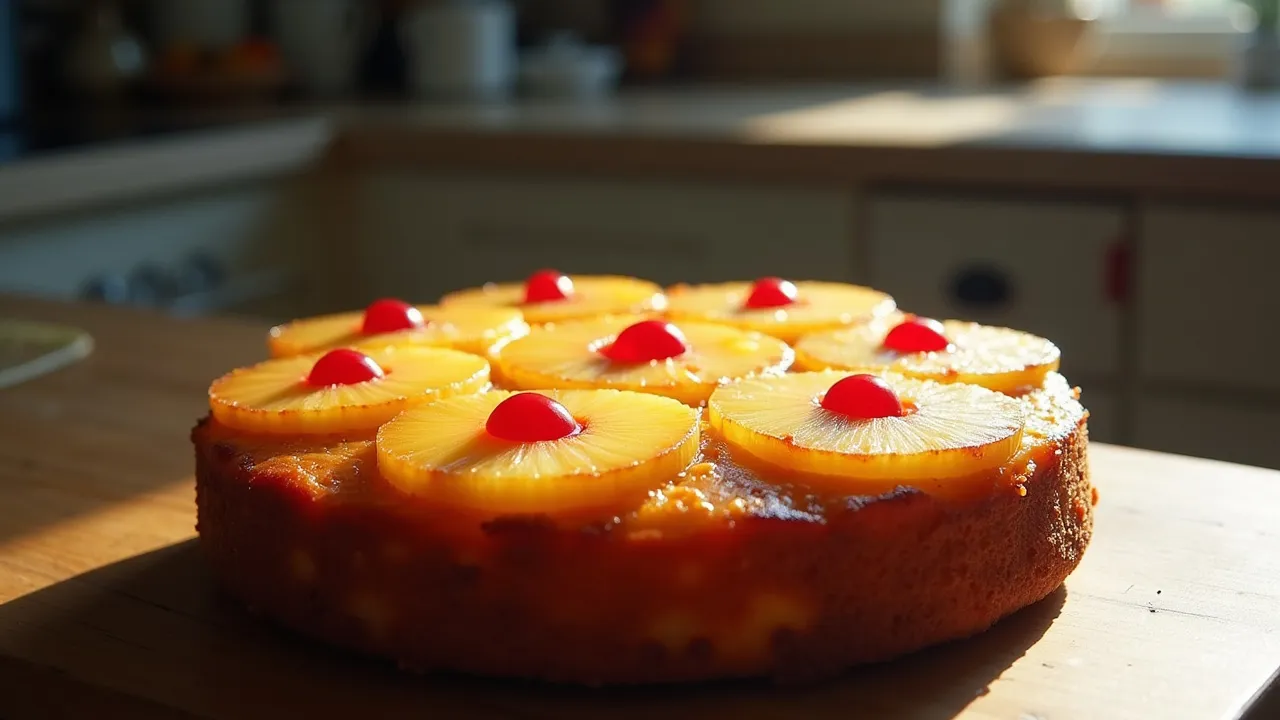
Observed annually on April 20th, National Pineapple Upside-Down Cake Day honors the classic American dessert featuring caramelized pineapple and cherries atop a buttery cake. Discover its history, baking secrets, and global variations.
The Historical Origins & Evolutionary Journey
National Pineapple Upside-Down Cake Day, observed on April 20th, celebrates a dessert that has been a beloved part of American baking for nearly a century. The cake’s origins trace back to the early 20th century, when home bakers and food manufacturers combined to create a unique presentation that became a household staple.
The Foundational Catalyst
The concept of upside-down cakes predates the pineapple version. For centuries, cooks had been making skillet cakes by placing fruit at the bottom of a pan, pouring batter on top, and then inverting the cake to reveal a caramelized fruit topping. However, the specific combination of pineapple and cherry gained widespread popularity after the introduction of canned pineapple by the Hawaiian Pineapple Company (now Dole) in the 1910s. In 1924, Dole held a recipe contest that featured the pineapple upside-down cake, which quickly captured the public's imagination. The recipe was promoted heavily in advertising and became a symbol of modern convenience and exotic flavor.
The Legislative/Official Adoption
While there is no official legislative act declaring April 20th as National Pineapple Upside-Down Cake Day, the date has been widely recognized by food enthusiasts, baking organizations, and social media. The day likely gained traction through grassroots efforts and the spread of food holidays in the 21st century. It serves as an unofficial but widely celebrated occasion for home bakers and professional pastry chefs alike.
Modern Global Legacy
Today, the pineapple upside-down cake is celebrated not only in the United States but also in various forms around the world. It has inspired countless variations, including gluten-free, vegan, and fusion versions. The day itself is marked by baking competitions, recipe shares, and social media campaigns that highlight the dessert's enduring appeal. Its legacy lies in its simplicity and the joy of flipping the pan to reveal the beautiful fruit pattern.
How to Celebrate National Pineapple Upside-Down Cake Day
Celebrating this day is easy and delicious. Whether you are an experienced baker or a novice, there are many ways to join the festivities. Below are strategies for individuals, schools, and organizations.
Baking at Home
- Classic Recipe: Use a 10-inch cast iron skillet. Melt butter and brown sugar, arrange pineapple rings and cherries, pour yellow cake batter on top, bake at 350°F for 40 minutes, and invert onto a serving plate.
- Experiment with flavors: Add coconut flakes, rum extract, or a dash of cinnamon to the topping.
- Serve with ice cream: A scoop of vanilla or coconut ice cream complements the warm cake.
School and Community Celebrations
- Host a bake-off where students or community members bring their best pineapple upside-down cake.
- Organize a tasting event with different variations (e.g., using fresh vs. canned pineapple).
- Teach a baking class focused on the science of caramelization.
Corporate and Social Rituals
- Companies can provide cakes in break rooms or host virtual baking sessions.
- Social media campaigns using hashtags like #PineappleUpsideDownCakeDay encourage sharing photos and recipes.
Global Traditions
- United States: Often served at family gatherings and potlucks.
- Japan: Adapted using white cake and sometimes matcha-flavored batter.
- Australia: Uses caramelized pineapple with a touch of golden syrup.
- Caribbean: Adds rum or coconut milk for a tropical twist.
The Science Behind the Perfect Pineapple Upside-Down Cake
Creating the ideal pineapple upside-down cake involves understanding the chemistry of caramelization, the role of fat, and the balance of moisture. The caramelized topping is achieved when sugar (from brown sugar) and butter undergo the Maillard reaction and caramelization at temperatures above 300°F. Pineapple contains bromelain, an enzyme that can break down proteins, which is why using canned pineapple (which is heat-treated and bromelain-free) prevents the cake from becoming mushy. The batter must be sturdy enough to support the fruit without sinking. Key tips include using room-temperature ingredients and not overmixing the batter to avoid a dense texture.
Role of Ingredients
- Brown Sugar: Adds molasses flavor and moisture; melts into a syrup that coats the fruit.
- Butter: Provides richness and helps create a buttery caramel layer.
- Pineapple: The acidity balances sweetness; rings should be patted dry to prevent excess moisture.
- Eggs: Provide structure and leavening.
Baking Science Tips
- Pan Choice: Cast iron or non-stick cake pans are best for even heat distribution and easy release.
- Inverting: Let the cake cool in the pan for only 5 minutes before flipping. Waiting too long can cause sticking.
Global Variations and Adaptations
While the classic recipe remains popular, many cultures have put their own spin on the pineapple upside-down cake. These adaptations showcase local ingredients and flavor preferences.
United States
The standard version uses a yellow or white cake mix, canned pineapple rings, and maraschino cherries. Some bakers add pecan halves for crunch.
United Kingdom
Often uses a sponge cake base and incorporates golden syrup instead of brown sugar for a lighter caramel flavor. Sometimes served with custard.
Japan
Japanese versions tend to be less sweet, using a chiffon cake base and fresh pineapple. Matcha powder is occasionally added to the batter for a green tea twist.
Caribbean
Rum is frequently added to both the topping and the batter. Coconut milk replaces part of the liquid for a creamy texture. Pineapple may be grilled beforehand to enhance smoky notes.
Australia and New Zealand
Golden syrup and desiccated coconut are common additions. The cake is often served as a dessert at barbecues and holiday gatherings.
Vegan and Gluten-Free Variations
Modern dietary preferences have led to versions using plant-based butter, flax eggs, and gluten-free flour blends. Coconut sugar or maple syrup substitutes for brown sugar. These adaptations ensure everyone can enjoy the day.
Nutritional Profile and Health Considerations
Pineapple upside-down cake is a treat that typically contains significant amounts of sugar, butter, and refined flour. A standard slice (1/8 of a 9-inch cake) provides approximately 350-400 calories, 15g fat, 55g carbohydrates, and 4g protein. While it is not a health food, there are ways to make it more nutritious without sacrificing flavor.
Nutritional Highlights
Pineapple: Rich in vitamin C and manganese, and contains bromelain which may aid digestion.
Cherries: Provide antioxidants and fiber (though maraschino cherries have added sugar).
Brown sugar and butter: Contribute empty calories; moderation is key.
Healthier Modifications
Use whole wheat pastry flour for added fiber.
Reduce sugar by 25% and rely on the natural sweetness of pineapple.
Substitute Greek yogurt for half the butter to lower fat and add protein.
Use fresh pineapple instead of canned to reduce added sugar.
Allergen Information
Contains gluten (unless using gluten-free flour), dairy, and eggs. Vegan alternatives available.
Cultural Impact and Pop Culture References
The pineapple upside-down cake has left an indelible mark on American culture. It appears in numerous cookbooks, television shows, and films as a symbol of homey, nostalgic baking. In the popular TV series Stranger Things, the character Dustin Henderson requests a pineapple upside-down cake for his birthday, highlighting its status as a comfort food. The cake has also been featured on competition shows like The Great British Bake Off and Chopped, where bakers put their own creative spins on the classic recipe. Social media platforms buzz on April 20th with photos of perfectly inverted cakes, often adorned with creative patterns using pineapple rings and cherries. The day has become a fixture in the calendar of food holidays, uniting generations over a shared love of this caramelized treat.
Historical Timeline
Canned pineapple becomes widely available in the US, thanks to the Hawaiian Pineapple Company (Dole).
Dole holds a recipe contest featuring the pineapple upside-down cake. The recipe is published and gains national popularity.
The cake becomes a staple in American households, appearing in community cookbooks and magazine advertisements.
Pineapple upside-down cake is a popular dessert at potlucks and family dinners. The introduction of cake mixes simplifies preparation.
The cake experiences a revival with the rise of retro baking trends. Variations using fresh pineapple become more common.
National Pineapple Upside-Down Cake Day is informally recognized on April 20th by food bloggers and online communities.
The day is widely celebrated on social media. New variations emerge, including vegan, gluten-free, and globally inspired versions.