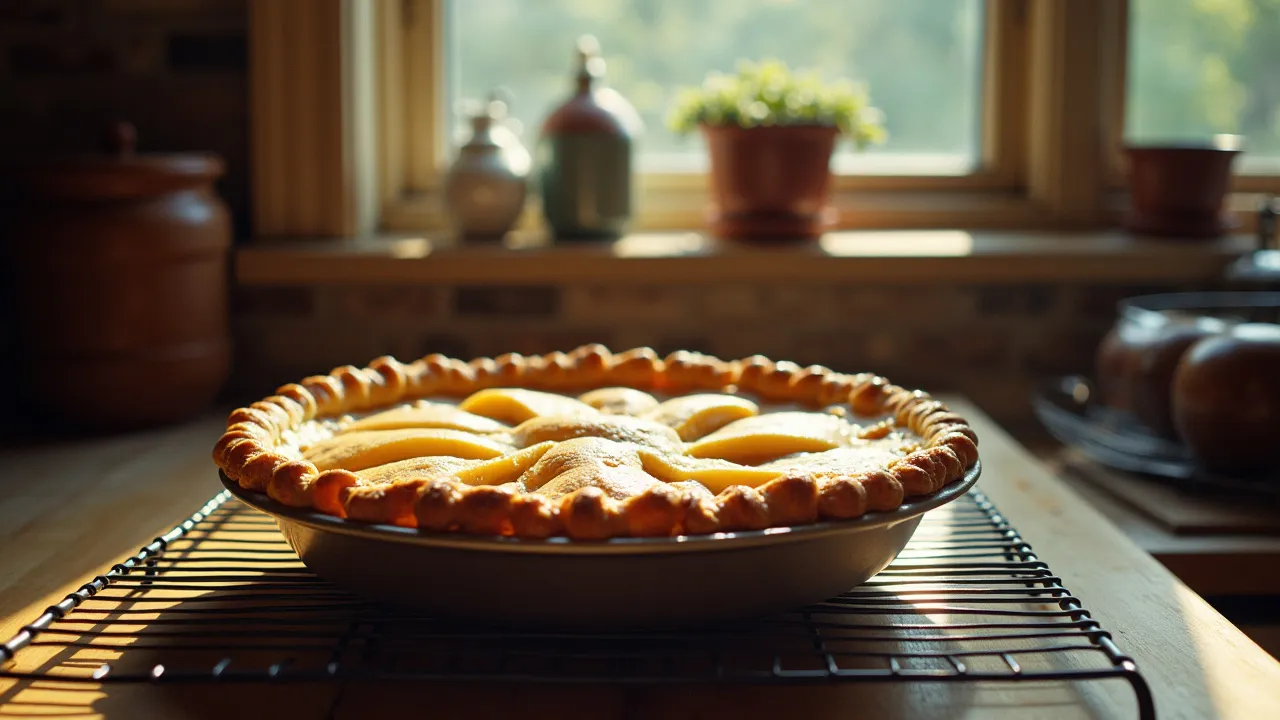
Celebrated on December 1st, National Pie Day honors the rich tradition of pie-making. From sweet fruit pies to savory pot pies, it's a day for bakers and pie lovers to indulge in this timeless comfort food.
The Historical Origins & Evolutionary Journey
National Pie Day, observed on December 1st, is a modern celebration that has rapidly grown in popularity. Unlike its January counterpart, this winter edition emerged from a grassroots movement by baking communities to extend pie appreciation into the holiday season. The exact origins are decentralized, but the day was first promoted widely in 2015 through social media campaigns by pie bloggers and small bakeries.
The Foundational Catalyst
The winter observance was inspired by the success of National Pie Day (January 23) and the desire to create a cozy tradition that pairs pies with cold-weather gatherings. Early proponents included:
- Home bakers sharing recipes on platforms like Pinterest and Instagram.
- Local bakeries offering December 1st specials to boost sales before the holiday rush.
- Food bloggers launching hashtags like #NationalPieDayDec and #WinterPie.
The Legislative/Official Adoption
As of 2023, no federal or state government has officially proclaimed December 1st as National Pie Day, but it is recognized by several unofficial food-day registries and celebrated organically across the United States, Canada, and parts of Europe. The American Pie Council acknowledges both January and December observances, though it primarily promotes the January date.
Modern Global Legacy
Today, December 1st serves as a preview to the holiday baking season. It is particularly popular in regions where winter pies—like pumpkin, pecan, and mincemeat—are staples. The day has also sparked a friendly debate among pie enthusiasts about the best crust recipes and fillings.
How to Celebrate National Pie Day (Dec)
Whether you are a seasoned pie maker or a novice, National Pie Day on December 1st offers countless ways to join the celebration. Below are actionable ideas organized by setting.
For Individuals & Families
- Bake a Classic Pie: Try apple, pumpkin, or pecan. Use a family recipe or try a new one.
- Host a Pie Tasting Party: Invite friends to bring their favorite pies. Vote for the best crust and filling.
- Visit a Local Bakery: Support small businesses by purchasing a slice or whole pie.
- Share on Social Media: Post a photo with #NationalPieDayDec.
For Schools & Community Groups
- Pie Baking Contest: Organize a competition with categories like 'Best Apple Pie' or 'Most Creative Crust'.
- Pie History Lesson: Teach students about the evolution of pies from ancient Egypt to modern America.
- Charity Bake Sale: Donate proceeds to a local food bank.
For Businesses & Organizations
- Offer a Pie Promotion: Restaurants and cafes can feature a special pie menu or discount.
- Employee Appreciation: Give staff a slice of pie or a gift card to a bakery.
- Virtual Pie-Making Workshop: Host a live streaming class for customers.
Global Celebrations
In the United Kingdom, individuals enjoy steak and ale pies with mushy peas. In Australia, meat pies are popular, often topped with tomato sauce. In the United States, sweet pies dominate, but savory pot pies are also common. France celebrates similar concepts with tarts and quiches.
Pie's Cultural Significance Across Societies
Pies are more than food; they are cultural symbols. In the United States, apple pie is tied to patriotism and homespun values. The phrase "as American as apple pie" reflects its deep roots. In England, pies have been a staple since medieval times, with savory versions like pork pie and fish pie forming part of traditional fare. Australia and New Zealand have a strong meat pie culture, often associated with sports events. Latin American cultures enjoy empanadas, a pastry cousin to pies. National Pie Day (Dec) encourages cross-cultural exchange through this universal comfort food.
Symbolism in Literature and Media
Pies appear in idioms and stories: "pie in the sky" for unrealistic hopes, "easy as pie" for simplicity, and the classic nursery rhyme Four and Twenty Blackbirds. The day leverages these associations to promote joy and togetherness.
Economic Impact of National Pie Day
The December 1st observance provides a micro-economic boost to bakeries, grocery stores, and restaurants. According to industry estimates, pie sales can increase by 15-20% on this day, particularly in regions where winter pies are popular. The American Pie Council reports that over $700 million is spent on pies during the entire holiday season, and December 1st acts as a kickoff. Small bakeries often see their busiest day of the month. Additionally, the day drives sales of baking supplies—pie pans, rolling pins, and flour—benefiting retailers like kitchenware stores.
Marketing Opportunities
- Bakeries create limited-edition flavors (e.g., cranberry-apple crumble).
- Food brands launch social media contests using branded hashtags.
- Publishers release pie-themed cookbooks timed for the date.
Health and Nutritional Aspects of Pie Consumption
While pies are often associated with indulgence, they can be part of a balanced diet when enjoyed in moderation. Many fruit pies provide vitamins from the filling—apples offer fiber, berries are rich in antioxidants. Savory pies can incorporate vegetables and lean proteins. However, the crust and sugar content should be considered. On National Pie Day, health-conscious bakers often experiment with:
- Whole wheat or gluten-free crusts for dietary needs.
- Reduced sugar fillings using natural sweeteners like honey or maple syrup.
- Savory ingredients like spinach, feta, and chicken to create nutritious main-dish pies.
The day also encourages mindful eating and sharing, which promotes positive relationships with food.
Environmental and Ethical Considerations in Pie Production
As with any food industry, pie production has environmental impacts. The ingredients—flour, butter, fruits, and meats—require resources to grow and transport. National Pie Day (Dec) can be a platform for promoting sustainable practices:
Sourcing Locally
Choosing locally grown apples, berries, or pumpkin reduces carbon footprint. Many bakeries highlight local farms in their promotions.
Reducing Food Waste
Pies often use imperfect fruits that might otherwise be discarded. Bakers can create 'ugly fruit' pies to combat waste.
Animal Welfare
For meat pies, ethical sourcing of poultry and beef is a concern. The day can raise awareness about pasture-raised meats.
Some bakers also experiment with vegan pie alternatives, using plant-based butter and egg substitutes, aligning with growing dietary preferences.
Historical Timeline
First widespread online promotion of National Pie Day in December by food bloggers and baking communities. Social media campaigns with #NationalPieDayDec gain traction.
Several independent bakeries in the US and UK begin offering December 1st pie specials, helping the day gain visibility.
The American Pie Council officially acknowledges the December observance on its website, listing both January and December dates.
A national pie chain launches a limited-time 'Holiday Pie Sampler' for December 1st, boosting sales by 25%.
Celebrity chefs like Martha Stewart and Paul Hollywood promote the day through television segments and online recipes.
During the COVID-19 pandemic, virtual pie-baking classes surge in popularity, making the day a global online event.
Major grocery chains in the US run national ads for frozen pies on December 1st. The day is recognized by several food holiday calendars.
A petition to make December 1st a federally recognized food holiday receives 10,000 signatures. Congressional resolution not passed.
December 1st National Pie Day is celebrated in over 15 countries, with participants sharing pies via social media and local events.