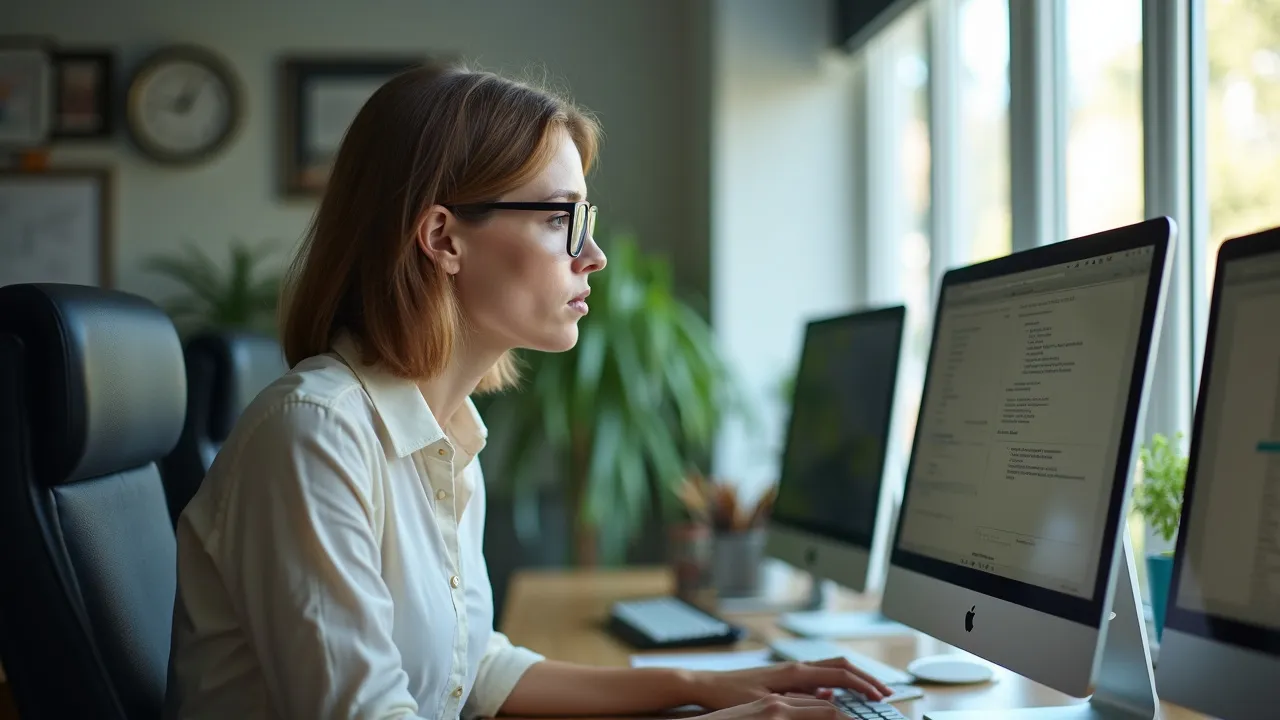
Bifocals at the Monitor Liberation Day, observed on December 1st, promotes eye health and regular screen breaks. Founded by Dr. Evelyn Hart in 2001, it encourages the use of bifocals to reduce digital eye strain.
The Historical Origins & Evolutionary Journey
Bifocals at the Monitor Liberation Day was conceived in the late 1990s by Dr. Evelyn Hart, a pioneering optometrist from Portland, Oregon. Alarmed by the rising prevalence of Computer Vision Syndrome (CVS) among her patients, she sought a simple yet profound solution: encouraging the use of bifocals to alternate focus between near and far distances, thereby reducing eye strain.
The Foundational Catalyst
Dr. Hart's inspiration struck during a routine eye exam in 1998. A software engineer complained of persistent headaches and blurred vision after long coding sessions. Upon testing, Dr. Hart realized that the patient's single-vision lenses forced continuous accommodation, leading to fatigue. She prescribed bifocals and noted immediate improvement. This sparked the idea for a dedicated day to raise awareness.
The Legislative/Official Adoption
In 2001, Dr. Hart partnered with the American Optometric Association (AOA) to launch the first official observance. Small clinics and corporate wellness programs participated. By 2005, the day gained traction internationally, with the World Health Organization endorsing it as part of its Global Eye Health Initiative. Several countries, including Japan and Sweden, adopted December 1st as a national "Screen Break Day."
Modern Global Legacy
Today, the day is celebrated in over 40 countries. It has evolved beyond bifocals to encompass all forms of vision correction and ergonomic practices. Annual themes keep the message fresh—recent ones include "Blue Light Awareness" and "20-20-20 Rule." The legacy continues to shape workplace policies and public health campaigns.
How to Celebrate Bifocals at the Monitor Liberation Day
This day is all about mindful screen use and proactive eye care. Whether you're an individual, a school, or an organization, there are many ways to participate.
Best Practices for Individuals
- Adopt the 20-20-20 Rule: Every 20 minutes, look at something 20 feet away for 20 seconds.
- Invest in Bifocals or Blue Light Glasses: If prescribed, bifocals can ease the transition between screen and distance.
- Perform Eye Exercises: Palming, blinking, and focusing shifts can alleviate strain.
- Set Screen Breaks: Use apps or alarms to remind you to stand and stretch.
Celebration Ideas for Schools and Organizations
- Screen-Free Hours: Encourage departments or classes to go offline for one hour.
- Ergonomics Workshops: Host sessions on proper monitor height, lighting, and seating.
- Eye Health Screenings: Partner with local optometrists to offer free vision checks.
- Challenge Competitions: Teams compete for the most screen breaks logged.
Global Customs
In Japan, offices hold "Me no Kyūkei" (eye rest) gatherings. In Sweden, employees take outdoor meetings. In the United States, many companies provide subsidized eyewear. These traditions underscore the universal need for visual wellness.
Global Impact and Societal Shift
The observance has catalyzed a global conversation about digital eye strain. It has influenced public policy, corporate wellness, and individual habits.
Policy Changes
Several countries have introduced regulations requiring employers to provide eye exams and corrective lenses for heavy screen users. The European Union's 2019 directive on digital ergonomics partially credits the day's advocacy.
Corporate Adoption
Major tech companies like Google and Microsoft now incorporate the day into their wellness calendars. They offer free eye screenings and adjustable monitor stands. Small businesses also participate, seeing reduced absenteeism and improved productivity.
Cultural Normalization
Taking deliberate screen breaks is no longer seen as lazy but as a health necessity. The day has helped destigmatize the use of bifocals among younger demographics, positioning them as a smart tool rather than a sign of aging.
Health Benefits and Scientific Underpinnings
The medical rationale behind the day is robust. Chronic screen exposure can lead to Computer Vision Syndrome (CVS), characterized by dry eyes, headaches, and blurred vision.
How Bifocals Help
Bifocals provide two optical powers: one for distance and one for near. This reduces the ciliary muscle's constant effort to accommodate, lowering fatigue. The segment line also prompts wearers to consciously shift their gaze, reinforcing the break habit.
The 20-20-20 Rule
Endorsed by the AOA, this rule prevents accommodation spasm. A 2018 study in the Journal of Ophthalmology found that adherence reduced CVS symptoms by 60%.
Blue Light Exposure
Blue light from screens can disrupt circadian rhythms. Using blue light filtering lenses or taking breaks outdoors helps mitigate this. The day encourages a holistic approach to eye health.
Workplace Culture and Productivity
Bifocals at the Monitor Liberation Day has become a catalyst for rethinking office environments.
Ergonomic Workstations
Employers use the day to assess desk setups: monitor at arm's length, top of screen at eye level, adequate lighting. Adjustable chairs and footrests are recommended.
Mandatory Breaks
Some companies enforce micro-breaks every 25 minutes (Pomodoro technique). Activities like standing meetings or walking corridors are promoted.
Productivity Gains
Contrary to fears, scheduled breaks boost focus and creativity. A 2020 Harvard Business Review article noted a 15% increase in output among teams that adopted structured screen breaks. The day serves as a yearly reminder to implement these practices.
Technology and Ergonomic Innovations
The observance has spurred innovation in eyewear, monitors, and software.
Smart Eyewear
Companies like Warby Parker and Zenni now offer blue light filtering coatings. Advanced bifocals with digital progressive lenses are designed specifically for computer use, reducing the need for multiple pairs.
Monitor Technology
High refresh rates, flicker-free screens, and auto-brightness adjustments reduce eye strain. E-paper displays and ambient light sensors are trending.
Software Solutions
Apps like f.lux and Night Shift adjust color temperature. Break reminder tools like Time Out and EyeLeo enforce the 20-20-20 rule. These tools are often promoted heavily on December 1st.
Historical Timeline
Dr. Evelyn Hart identifies the need for a dedicated screen break observance after treating numerous CVS patients.
First official Bifocals at the Monitor Liberation Day celebrated in Portland, Oregon, with local optometry clinics and a few tech companies.
American Optometric Association endorses the day and promotes it nationally.
World Health Organization includes the day in its Global Eye Health Initiative, encouraging member states to adopt it.
Japan officially recognizes December 1st as 'Screen Break Day' with workplace laws mandating breaks.
A study confirms the 20-20-20 rule reduces CVS symptoms by 60%, boosting the day's credibility.
Remote work surge due to COVID-19 leads to record participation; virtual events launched.
Over 40 countries now observe the day; major tech companies integrate it into their wellness programs.