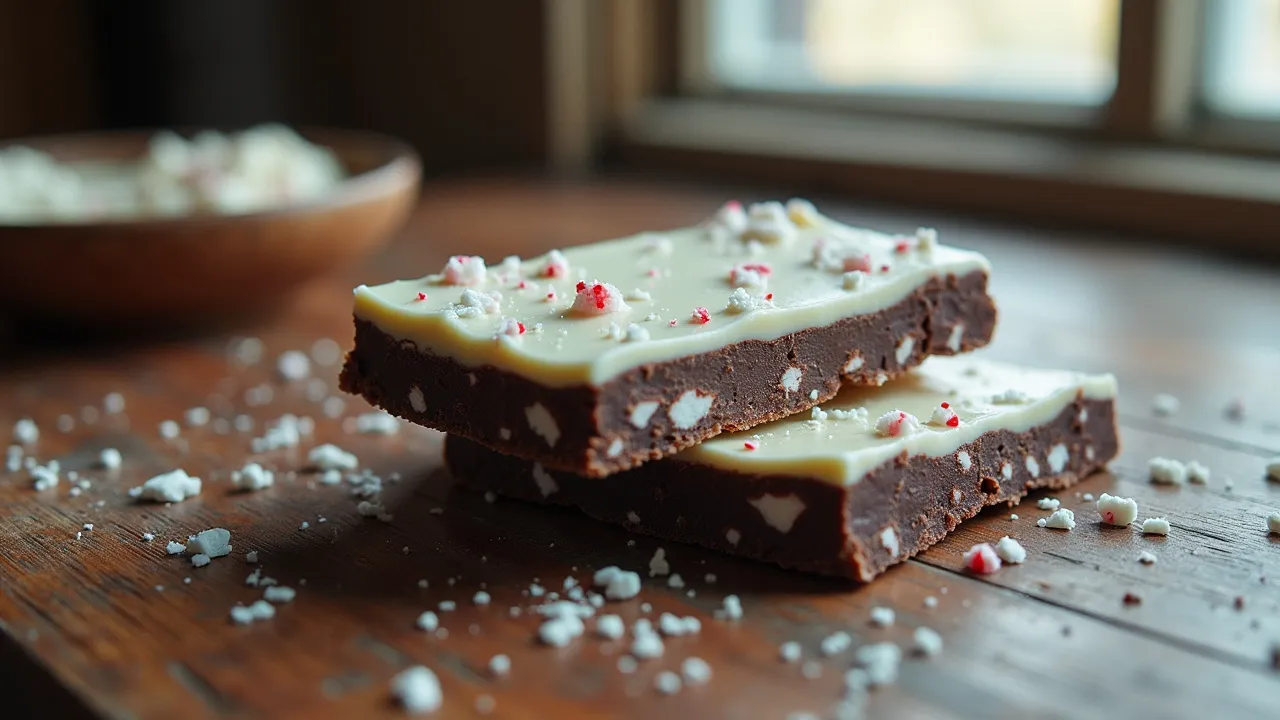
National Peppermint Bark Day is observed on December 1st, celebrating the beloved holiday confection of layered chocolate and peppermint. Learn about its history, how to make it, and creative ways to enjoy this festive treat.
The Historical Origins & Evolutionary Journey
National Peppermint Bark Day, observed annually on December 1st, celebrates one of the most beloved holiday confections: peppermint bark. This treat consists of layers of dark chocolate and white chocolate topped with crushed peppermint candies or candy canes. Its origins trace back to the fusion of chocolate and peppermint, which has been a favorite flavor combination for centuries. The minty flavor of peppermint has been prized since ancient times for its digestive and aromatic qualities, while chocolate, derived from cacao, was revered by Mesoamerican cultures. The modern pairing likely emerged in the mid-20th century as candy makers experimented with flavor combinations.
The Foundational Catalyst
The specific catalyst for National Peppermint Bark Day appears to be the rise of homemade candy making in the late 20th century. Peppermint bark as a distinct recipe gained popularity in the 1990s, often featured in holiday cooking magazines and television shows. The National Confectioners Association recognized the cultural significance of this treat and established December 1st as National Peppermint Bark Day in 2005, aiming to kick off the holiday season with a sweet note. The choice of December 1st is strategic—it marks the start of the month-long holiday season, providing an early opportunity for consumers to indulge in a seasonal favorite.
The Official Adoption of National Peppermint Bark Day
The official designation was part of a broader effort to highlight seasonal confections. By choosing December 1st, the date ensures that peppermint bark is celebrated early in the holiday season, encouraging consumers to enjoy and share it throughout December. The day quickly gained traction through social media and food blogs, becoming a staple in the calendar of food holidays. In subsequent years, national food day registries and online calendars included it, solidifying its place.
Modern Global Legacy
Today, peppermint bark is enjoyed worldwide, with variations adapting to local tastes. In the United States, it is a common homemade gift and a popular item in gourmet chocolate shops. The day has also been embraced by businesses that offer limited-edition peppermint bark products, from small bakeries to large corporations like Ghirardelli and Williams Sonoma. National Peppermint Bark Day now serves as a prompt for millions to indulge in this festive treat, continuing a tradition that combines the richness of chocolate with the refreshing zing of peppermint. The day also encourages creativity—cooks experiment with different chocolate ratios, add toppings like sea salt or dried cranberries, and even create bark with dark chocolate and crushed peppermint Oreo cookies.
- Peppermint bark symbolizes the joy of holiday baking and sharing.
- Its simplicity makes it accessible to cooks of all skill levels.
- The day promotes creativity with variations like dark chocolate, milk chocolate, or added toppings.
How to Celebrate National Peppermint Bark Day
Celebrating National Peppermint Bark Day is simple and enjoyable. Whether you are an experienced baker or a novice, there are many ways to participate. Below are some of the best practices to make the most of this delicious holiday.
Traditional Homemade Bark
The classic way to celebrate is by making your own peppermint bark from scratch. Follow this step-by-step guide:
- Gather high-quality dark chocolate (60-70% cocoa) and white chocolate.
- Melt the dark chocolate in a double boiler or microwave, then spread it evenly on a parchment-lined baking sheet.
- Chill the dark chocolate layer until set, about 30 minutes.
- Melt the white chocolate and spread it over the dark layer.
- Sprinkle crushed candy canes or peppermint candies on top before the white chocolate sets.
- Chill until fully hardened, then break into irregular pieces.
For best results, use a offset spatula to create smooth layers. Avoid leaving the bark in the refrigerator for too long to prevent condensation.
Gifting and Sharing
Peppermint bark makes an excellent homemade gift. Package pieces in decorative tins or cellophane bags tied with ribbon. Share with neighbors, coworkers, and family. Many people host peppermint bark tasting parties where different variations are compared. Some even hold friendly competitions for the best recipe.
Corporate Celebrations
Businesses can join the fun by offering peppermint bark to employees or customers. Some companies organize team-building events where employees make bark together. Retailers often run promotions on peppermint bark products, and coffee shops may feature peppermint bark flavored lattes or cookies.
Global Variations
Around the world, peppermint bark takes on unique local spins:
- In the United Kingdom, some versions use mint chocolate from brands like After Eight.
- In Australia, peppermint bark might incorporate macadamia nuts or native mint.
- In Japan, where seasonal flavors are popular, matcha white chocolate peppermint bark is a creative twist.
- In Canada, maple-flavored bark with peppermint is a regional favorite.
- In Mexico, some bakers add a touch of cinnamon or chili for a spicy kick.
No matter where you are, National Peppermint Bark Day is an opportunity to enjoy a sweet treat and share the joy of the season. Virtual celebrations have also emerged, with groups hosting online baking sessions and sharing photos on social media.
The Cultural Impact of Peppermint Bark
Peppermint bark has permeated American culture as a quintessential holiday food. Its presence in movies, TV shows, and social media amplifies its role as a seasonal marker. The distinctive red-and-white stripes of candy canes, combined with the rich brown of chocolate, evoke a festive visual aesthetic that has become synonymous with the holidays.
Peppermint Bark in Popular Culture
Peppermint bark is frequently featured in holiday episodes of popular cooking shows, such as "The Great British Baking Show" and "Food Network's Holiday Baking Championship." It also appears in lifestyle magazines like Martha Stewart Living and Real Simple as a go-to DIY project. The hashtag #PeppermintBark trends on social media each December, with thousands of user-generated photos. Influencers and food bloggers often post recipes and tutorials, further spreading its popularity.
Economic Impact
The commercialization of peppermint bark has created a substantial market. According to market research, seasonal chocolate sales in the US exceed $5 billion annually, with peppermint bark representing a significant portion. Premium brands sell boxes of peppermint bark for $20–$40, and during the holiday season, it is one of the top-selling seasonal chocolates. Small businesses, especially bakeries and candy shops, benefit from increased foot traffic and online orders. National Peppermint Bark Day gives these businesses a specific occasion to market their products, often leading to special discounts and limited-edition flavors.
Community and Charity
Some organizations use the day to host peppermint bark sales as fundraisers for local charities. School groups and church committees often make large batches to sell at holiday bazaars, raising funds for various causes.
Nutritional Profile and Health Considerations
While peppermint bark is a treat, it offers some potential health benefits when made with quality ingredients. Understanding its nutritional profile helps consumers make informed choices.
Caloric Breakdown
A typical serving of peppermint bark (about 1 ounce or 28 grams) contains approximately 150-200 calories, with 10-12 grams of fat (mostly saturated from chocolate), 20 grams of carbohydrates (including 15 grams of sugar), and 2 grams of protein. The exact values depend on the type of chocolate and any additional toppings. Dark chocolate generally has less sugar than milk chocolate, while white chocolate has more sugar and fat.
Health Benefits of Key Ingredients
Peppermint has been used for centuries in traditional medicine to relieve digestive issues, nausea, and headaches. Its essential oil, menthol, provides a cooling sensation. Dark chocolate, particularly with 70% or higher cocoa content, is rich in flavonoids, which have antioxidant and anti-inflammatory properties. Studies suggest that moderate consumption of dark chocolate may improve heart health by lowering blood pressure and improving blood flow.
Dietary Variations
- Vegan: Use dairy-free dark chocolate and white chocolate made from cocoa butter substitutes.
- Gluten-free: The basic recipe is gluten-free, but verify that candy canes are gluten-free.
- Low-sugar: Use sugar-free chocolate and natural sweeteners like stevia.
- Nut-free: Avoid adding nuts; ensure no cross-contamination.
Moderation is key, as peppermint bark is calorie-dense. Enjoy a small piece as part of a balanced diet.
The Art of Making Perfect Peppermint Bark
Creating flawless peppermint bark requires attention to technique and ingredient quality. Even beginners can achieve professional-looking results with the right approach.
Choosing the Right Chocolate
Use couverture chocolate for a smooth finish and satisfying snap. Dark chocolate with 60-70% cocoa balances sweetness with the peppermint. White chocolate should be pure, containing cocoa butter, for easy melting and a creamy texture. Avoid chocolate chips, as they contain stabilizers that prevent smooth melting.
Tempering Chocolate
Tempering ensures a glossy sheen and a crisp snap. However, for home cooks, simple melting and cooling works fine. To avoid bloom (white streaks), avoid overheating the chocolate and store the bark in a cool, dry place. If you want to temper, use the seeding method: melt two-thirds of the chocolate, then add the remaining third to lower the temperature.
Adding the Peppermint
Crush candy canes or peppermint candies in a sealed bag using a rolling pin. For a finer texture, pulse in a food processor. Sprinkle evenly onto the top layer before it sets. For a more intense flavor, add a drop of peppermint extract to the chocolate. Be careful not to overdo it, as peppermint can be overpowering.
Common Mistakes and Fixes
- Chocolate seizes: Add a teaspoon of coconut oil to smooth it out.
- Layers separate: Ensure each layer is fully set before adding the next.
- Bark too thick: Spread chocolate thinner for better texture.
- Peppermint sinks: Sprinkle immediately after pouring white chocolate, and don't press.
With practice, you'll perfect your own version of peppermint bark.
Peppermint Bark Across the Globe
While peppermint bark is most associated with the United States, similar confections exist worldwide, each with a local twist.
United States
In the US, peppermint bark is a staple at holiday parties and is sold in major retailers like Target and Walmart. Brands like Ghirardelli, Lindt, and Williams Sonoma offer seasonal versions. Many families have their own cherished recipes passed down through generations.
Europe
In Germany and Switzerland, which are famous for chocolate, peppermint bark can be found in high-end chocolate shops. Often, these versions use higher cocoa content and may incorporate other spices like cardamom or cinnamon. In the UK, mint-flavored chocolate is popular, and peppermint bark is sometimes made with dark chocolate and mint extract.
Asia
In South Korea, peppermint bark is sometimes made with white chocolate and matcha green tea, blending holiday flavors with local traditions. In Japan, holiday chocolates are popular, and peppermint bark is often sold in department store food halls during the Christmas season. In the Philippines, where Christmas celebrations are early and elaborate, peppermint bark is a trendy homemade gift.
Australia and New Zealand
Down under, peppermint bark appears in summer holiday festivities. Some recipes incorporate local ingredients like macadamia nuts, lemon myrtle, or wattleseed for a unique flavor profile.
Canada
Canadians enjoy a maple-infused peppermint bark, sometimes with added cranberries or pecans, reflecting the country's love for maple.
These global variations show that while the core concept of peppermint bark is beloved, it adapts to local palates and ingredient availability.
Historical Timeline
Martha Stewart publishes a peppermint bark recipe, popularizing it among home cooks.
National Peppermint Bark Day is established by the National Confectioners Association on December 1st.
Williams Sonoma releases its first Peppermint Bark Kit, making it easy for consumers to make at home.
The hashtag #PeppermintBark reaches 100,000 posts on Instagram.
Due to the COVID-19 pandemic, peppermint bark sales skyrocket as consumers seek comfort foods and home baking.
National Peppermint Bark Day is recognized by major food calendars and features in national media.