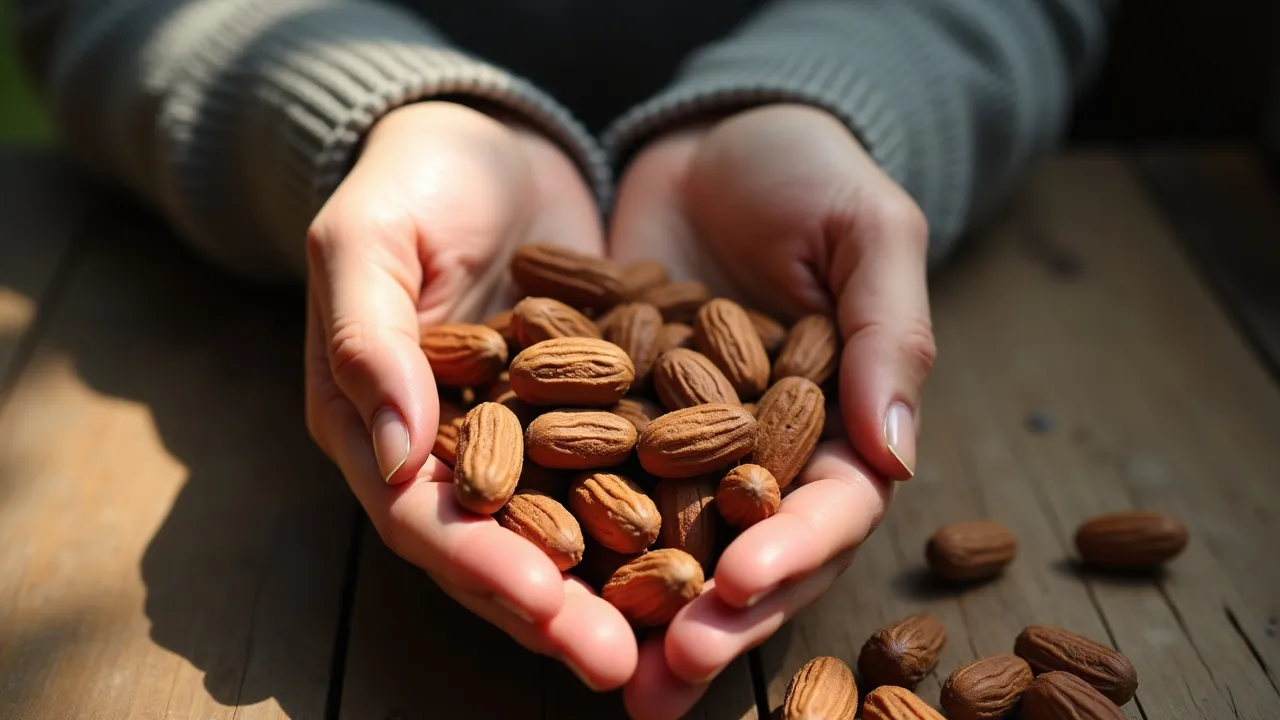
Celebrate National Peanut Cluster Day on March 8th, a delicious observance honoring the crunchy, sweet confection made from peanuts and chocolate. Learn about its history, how to make your own clusters, and fun ways to enjoy this treat.
The Historical Origins & Evolutionary Journey of National Peanut Cluster Day
National Peanut Cluster Day, observed annually on March 8th, is a tribute to one of America's favorite homemade candies. While the exact origins of the day remain a bit hazy, its roots are deeply entwined with the history of peanut cultivation and the rise of chocolate confectionery in the United States.
The Foundational Catalyst: Peanuts and Chocolate
Peanuts have been a staple in the Americas for centuries, but it wasn't until the late 19th century that they became widely popular in candy. The invention of milk chocolate by Daniel Peter and Henri Nestlé in 1875 paved the way for chocolate-covered treats. By the early 20th century, home cooks began combining roasted peanuts with melted chocolate to create simple, no-bake clusters. This easy recipe spread through community cookbooks and church socials, becoming a beloved treat, especially during the Great Depression when ingredients were scarce and affordable.
The Legislative/Official Adoption
Unlike federal holidays, National Peanut Cluster Day appears to have emerged organically from candy enthusiasts and perhaps food industry marketing. It lacks a single founding date or legislative act but has been recognized in food calendars since at least the early 2000s. The day is promoted by candy manufacturers, peanut growers, and food bloggers, encouraging people to enjoy or make peanut clusters.
Modern Global Legacy
Today, National Peanut Cluster Day is celebrated across the United States and parts of Canada. Variations exist worldwide: in the UK, similar treats are called "peanut butter clusters"; in Mexico, "cacahuate con chocolate" is popular. The day has become an opportunity to highlight the versatility of peanuts, support peanut farmers, and enjoy a sweet, protein-rich snack.
How to Celebrate National Peanut Cluster Day
There are countless ways to observe this sweet holiday, whether you prefer classic recipes or modern twists. Below are actionable strategies for individuals, schools, and organizations.
For Individuals and Families
- Make Homemade Peanut Clusters: Melt chocolate (dark, milk, or white) and stir in roasted peanuts. Drop spoonfuls onto wax paper and let set. Experiment with additions like sea salt, coconut, or dried fruit.
- Try a Gourmet Variation: Use artisanal chocolate, add a pinch of cayenne pepper, or drizzle with caramel.
- Host a Tasting Party: Buy several brands of peanut clusters and compare flavors, textures, and ingredients.
- Share with Friends: Package clusters in cute boxes and gift to neighbors, coworkers, or mail to loved ones.
For Schools and Community Groups
- Classroom Cooking Activity: Teach kids about simple measurements and kitchen safety by making peanut clusters.
- Peanut Education: Discuss where peanuts come from, their nutritional value, and their role in agriculture.
- Donation Drive: Collect packaged peanut clusters for local food banks or shelters.
For Businesses and Organizations
- Employee Treat Day: Provide peanut clusters in break rooms.
- Social Media Campaign: Use hashtags like #NationalPeanutClusterDay to engage customers.
- Charity Partnership: Donate a portion of sales to peanut allergy research or hunger relief.
International Traditions
In the United States, peanut clusters are often associated with Southern cuisine and holiday baking. In the Philippines, "chocolate peanuts" are a street food. In Ghana, groundnuts (peanuts) are coated in caramel or chocolate. Regardless of location, the core idea remains: celebrate the delicious union of peanuts and chocolate.
The Nutritional Profile and Health Benefits of Peanut Clusters
While peanut clusters are a treat, they do offer some nutritional benefits when enjoyed in moderation. Peanuts are rich in protein, healthy fats, fiber, vitamins (like B vitamins and vitamin E), and minerals (magnesium, phosphorus). Chocolate, especially dark chocolate, contains antioxidants called flavonoids that support heart health. However, many commercial clusters add sugar and unhealthy fats, so homemade versions allow better control.
Key Nutrients per Serving
- Protein: Peanuts provide about 7-8 grams per ounce.
- Healthy Fats: Monounsaturated and polyunsaturated fats, which support brain function.
- Fiber: Helps digestion and satiety.
- Antioxidants: Dark chocolate contains flavanols that may lower blood pressure.
Tips for Healthier Clusters
- Use dark chocolate with at least 70% cocoa.
- Choose unsalted, dry-roasted peanuts to reduce sodium.
- Add seeds or oats for extra fiber.
- Limit portion size—two small clusters suffice.
Remember, National Peanut Cluster Day is about enjoyment, so indulge responsibly!
Culinary Variations and Modern Twists on Classic Peanut Clusters
The basic peanut cluster recipe is a blank canvas for creativity. Over the years, chefs and home cooks have developed numerous twists to suit different palates.
Chocolate Choices
- Classic Milk Chocolate: The sweet, creamy standard.
- Dark Chocolate: Rich and slightly bitter, pairs well with salted peanuts.
- White Chocolate: Adds a sweet, buttery flavor.
- Ruby Chocolate: A newer option with berry notes.
Add-In Possibilities
- Toppings: Sea salt, crushed pretzels, toasted coconut, sprinkles, or drizzled caramel.
- Spices: Cinnamon, cayenne, or nutmeg.
- Other Nuts: Almonds, cashews, or pecans alongside peanuts.
- Dried Fruit: Raisins, cranberries, or chopped apricots.
Dietary Adaptations
- Vegan: Use dairy-free chocolate (e.g., dark chocolate with no milk solids).
- Low-Sugar: Replace sugar with stevia or use unsweetened chocolate and monk fruit sweetener.
- Keto: Use high-fat chocolate with minimal carbs, and add MCT oil.
Innovation keeps this traditional treat exciting for new generations.
The Economic and Cultural Impact of Peanut Cluster Day
National Peanut Cluster Day, while seemingly trivial, contributes to the peanut and confectionery industry. Peanuts are a major crop in the United States, especially in Georgia, Texas, and Alabama. A day dedicated to peanut clusters can boost sales of peanuts and chocolate, benefiting farmers, processors, and retailers.
Economic Aspects
- Peanut Production: The US is the fourth-largest peanut producer globally, with an annual farm-gate value exceeding $1 billion.
- Confectionery Industry: Candy sales spike on such food holidays; social media promotions drive consumer interest.
- Export Trade: American peanut products are exported worldwide, and themed days help market them internationally.
Cultural Significance
In Southern US culture, peanut clusters are a symbol of hospitality and home cooking. Church bake sales and community events often feature these treats. The day also raises awareness about peanut allergies—some groups use it to promote inclusion by offering nut-free alternatives. Overall, National Peanut Cluster Day strengthens community bonds through shared culinary traditions.
Sustainability and Ethical Considerations in Peanut Cluster Production
As consumers become more conscious, the ingredients in peanut clusters come under scrutiny. Chocolate production often involves child labor and deforestation, while peanut farming can be water-intensive. On National Peanut Cluster Day, we can reflect on how to enjoy this treat responsibly.
Ethical Chocolate Sourcing
- Look for Fair Trade, Rainforest Alliance, or UTZ certified chocolate.
- Buy from companies that support direct trade and transparent supply chains.
- Consider bean-to-bar chocolates from ethical manufacturers.
Sustainable Peanut Farming
- Peanuts are relatively sustainable: they fix nitrogen in the soil, reducing fertilizer needs.
- Choose US-grown peanuts to lower transportation emissions.
- Support farms using integrated pest management and water conservation.
Reducing Waste
Make clusters in bulk to minimize packaging. Use reusable containers for gifts and avoid single-use plastics. Compost any nut shells or chocolate wrappers if possible. By making conscious choices, we can celebrate National Peanut Cluster Day with a clear conscience.
Historical Timeline
Milk chocolate is invented by Daniel Peter and Henri Nestlé, setting the stage for chocolate confections like peanut clusters.
Peanut clusters become popular in American home kitchens, especially during the Great Depression when affordable sweets are sought.
Commercial production of peanut clusters begins, with companies like Planters and Hershey's offering their versions.
Peanut clusters gain further popularity as a holiday treat, often made for Christmas or Easter.
National Peanut Cluster Day appears on food holiday calendars, observed on March 8th, likely promoted by candy industry groups.
The day gains traction on social media with dedicated hashtags and recipe sharing, especially during COVID-19 lockdowns when home baking surged.