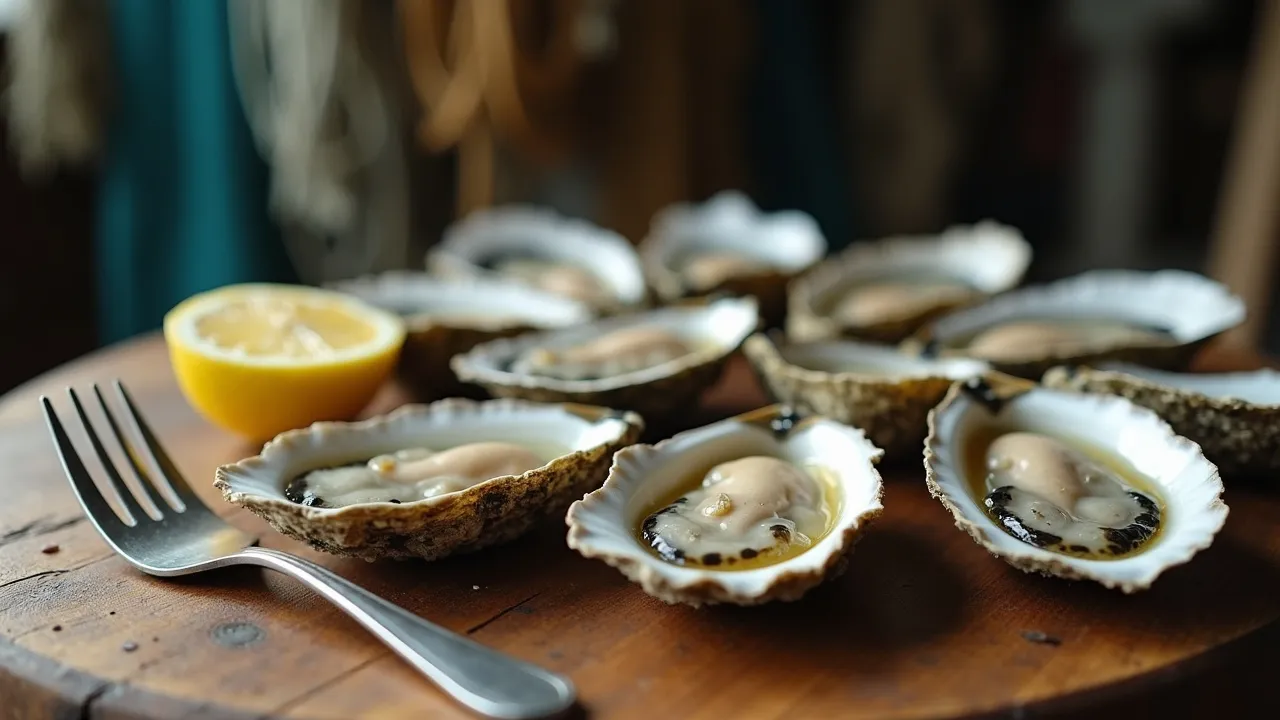
Celebrate National Oyster Day on August 5th, honoring the briny bivalve with culinary traditions, sustainable farming, and global appreciation for this delicacy. Discover history, health benefits, and celebration ideas.
The Historical Origins & Evolutionary Journey
National Oyster Day observed annually on August 5th, is a celebration of one of the world's most cherished mollusks. The oyster's history stretches back millennia, intertwining with human civilization from ancient feasts to modern sustainable aquaculture.
The Foundational Catalyst
Oysters have been consumed since prehistoric times. Archaeological evidence from South Africa's Blombos Cave suggests oysters were harvested over 164,000 years ago. In ancient Rome, oysters were a delicacy reserved for the elite, with large-scale oyster farms established as early as the 1st century BC by Sergius Orata, a Roman engineer who pioneered oyster cultivation in the Lucrine Lake. This marked the first known aquaculture venture, setting a precedent for oyster farming that would endure for centuries.
During the Middle Ages, oysters became a staple food for European peasantry due to their abundance and low cost. The Industrial Revolution brought overharvesting and pollution, drastically reducing wild oyster populations. In the United States, oyster consumption peaked in the late 19th century, with New York City's oyster cellars serving millions daily. The demand led to the rise of oyster canneries and the development of seed oyster industry in the Chesapeake Bay.
The Legislative/Official Adoption
National Oyster Day does not have a documented single founder or legislative act. It emerged organically as a food holiday promoted by seafood industry groups, restaurants, and oyster enthusiasts in the early 2000s to boost appreciation and sales during the peak summer season. Unlike federal holidays, it carries no official government recognition but has been embraced widely through social media, food blogs, and culinary events. The date August 5th was chosen likely due to the height of oyster availability in the Northern Hemisphere, aligning with the "R" month tradition (months with an 'R' are considered best for eating oysters, though modern refrigeration makes them safe year-round).
Modern Global Legacy
Today, National Oyster Day serves multiple purposes: it celebrates culinary heritage, raises awareness about sustainable oyster farming, and supports local economies. Oyster festivals and special menus abound in coastal cities from New Orleans to Sydney. The day also highlights the ecological importance of oysters as water filters and reef builders. With the rise of farm-to-table movements and regenerative aquaculture, oysters are now seen as a food with a net-positive environmental impact. The legacy of National Oyster Day continues to evolve, promoting responsible consumption and supporting restoration efforts for decimated oyster beds.
How to Celebrate National Oyster Day
National Oyster Day offers endless ways to participate, whether you are a seasoned oyster lover or a curious newcomer. Below are comprehensive strategies for individuals, groups, and organizations to mark the occasion with authenticity and respect for the bivalve.
Individual Celebrations
- Host an Oyster Tasting Party: Invite friends to sample different varieties—e.g., East Coast (briny, salty) vs. West Coast (creamy, sweet). Provide a tasting card with flavor notes.
- Visit a Local Oyster Bar: Support local businesses by ordering a dozen raw oysters or an oyster happy hour. Ask the shucker for pairing suggestions.
- Cook Oysters at Home: Try classic recipes like Oysters Rockefeller, fried oysters, or oyster stew. Use fresh, sustainably sourced oysters from a trusted fishmonger.
- Learn to Shuck: Take an online tutorial or attend a shucking workshop. Practice safety: use a proper oyster knife and towel.
Community and School Celebrations
- Educational Events: Organize a talk by a marine biologist on oyster ecology, or a cooking demo by a local chef emphasizing sustainability.
- Oyster Shell Recycling Drive: Partner with local restaurants to collect used shells for reef restoration projects. Many organizations use shells to rebuild oyster habitats.
- Beach Cleanup: Combine celebration with conservation: host a beach cleanup to protect oyster habitats from pollution.
Corporate and Organizational Rituals
Seafood companies can run special promotions, donate a portion of sales to oyster restoration nonprofits, or host employee oyster roasts. Restaurants can feature a "National Oyster Day" menu with unique preparations (e.g., oyster po'boys, grilled oysters with garlic butter). Social media campaigns using hashtags like #NationalOysterDay can amplify reach and educate followers about oyster sustainability.
Global Variations
While August 5th is the primary US date, other regions celebrate oysters on different days. For example, the UK's National Oyster Week occurs in September, and France's Fête de l'Huître is held in August in various coastal towns. In Australia, National Oyster Day is celebrated in February (summer). Always check local calendars to align with your region's peak oyster season.
Oyster Farming and Sustainability
Oyster farming is one of the most environmentally sustainable forms of aquaculture. Oysters are filter feeders that improve water quality by removing excess nutrients and algae. A single adult oyster can filter up to 50 gallons of water per day. This natural filtration helps combat eutrophication and creates clearer water that supports seagrass growth and marine life.
Farming Methods
- Bottom Culture: Oysters are grown on the seafloor or on cultch (shells or rocks). This method requires minimal equipment but is vulnerable to predators and sedimentation.
- Off-Bottom Culture: Oysters are grown in bags, cages, or racks suspended off the bottom to avoid predators and improve growth. Common in intertidal zones.
- Suspended Culture: Oysters are grown on ropes or lantern nets in deeper water, ideal for areas with strong currents.
Environmental Benefits
Oyster reefs provide critical habitat for fish, crabs, and other invertebrates, boosting biodiversity. They also stabilize shorelines and reduce coastal erosion. Unlike finfish farming, oyster farming requires no feed addition—oysters feed on naturally occurring plankton. This makes them a low-impact protein source with a small carbon footprint.
Challenges and Innovations
Overharvesting, disease, and ocean acidification threaten wild oyster populations. Sustainable certification programs (e.g., Monterey Bay Aquarium Seafood Watch) guide consumers to responsibly farmed oysters. Innovations include triploid oysters (sterile, faster-growing), disease-resistant strains, and integrated multi-trophic aquaculture where oysters are farmed alongside seaweed and other species to mimic natural ecosystems. National Oyster Day is an ideal time to advocate for supporting farms that use best practices.
Oyster in Global Cuisine
Oysters have a revered place in world cuisines, prepared in myriad ways that reflect local tastes and traditions. From the simplicity of raw on the half shell to rich, complex sauces, the oyster's versatility is boundless.
Iconic Dishes
- Oysters Rockefeller (USA): Baked oysters topped with a mixture of butter, herbs, and breadcrumbs, often finished with a sauce. Invented in New Orleans in 1889.
- Oysters Kilpatrick (Australia): Oysters topped with bacon, Worcestershire sauce, and breadcrumbs, then grilled. A pub classic.
- Huitres au Champagne (France): Raw oysters served with a mignonette of champagne, vinegar, and shallots. A luxurious appetizer.
- Gamjajeon with Oysters (Korea): Korean-style pancakes with oysters and scallions, dipped in soy-vinegar sauce.
Regional Pairings
In Japan, oysters are enjoyed as kaki fry (panko-breaded and deep-fried) or in hot pots. In the UK, serve with a squeeze of lemon and a pint of stout. In Portugal, grilled oysters with garlic and olive oil are a summer staple. The diversity of oyster preparations reflects the adaptability of this ingredient in both haute cuisine and street food.
Modern Trends
Contemporary chefs experiment with fermented oyster sauces, oyster ceviche, and even oyster ice cream (infused with oyster liquor). The farm-to-table movement has elevated the importance of terroir—the specific taste profile influenced by water conditions, algae, and minerals. Oyster tastings have become the equivalent of wine tastings, with flavor wheels describing notes like "melony," "copper," or "cucumber."
Health Benefits of Oysters
Oysters are a powerhouse of nutrition. Often considered an aphrodisiac, they offer a dense concentration of essential vitamins and minerals with relatively low calories. A 3.5-ounce (100g) serving of raw oysters provides only about 70 calories but delivers impressive nutrients.
Key Nutrients
- Zinc: Oysters are the best food source of zinc, critical for immune function, wound healing, and DNA synthesis. A serving provides over 600% of the daily value.
- Vitamin B12: Essential for nerve tissue health and red blood cell formation. Oysters provide over 100% of the daily value.
- Selenium: An antioxidant that protects against cell damage and supports thyroid function.
- Iron: Important for oxygen transport and energy production.
- Omega-3 Fatty Acids: Support heart and brain health.
Health Considerations
Oysters are low in saturated fat and high in protein. However, they are filter feeders and can accumulate toxins or pathogens if harvested from polluted waters. Eating raw oysters carries a risk of Vibrio infection, especially for people with compromised immune systems, liver disease, or diabetes. Pregnant women should avoid raw oysters. Cooking oysters thoroughly kills harmful bacteria. Sustainable and certified farms test their waters regularly, reducing risks.
In moderation, oysters can be part of a healthy diet. The high zinc content has been linked to improved testosterone levels and libido in some studies, though more research is needed. National Oyster Day can encourage mindful consumption while appreciating the health benefits.
Oyster Culture and Festivals
Around the world, oysters inspire festivals that blend food, music, and community spirit. These events celebrate local oyster heritage, support economies, and fund conservation. Below are some of the most prominent oyster festivals.
Major Festivals
- Galway International Oyster & Seafood Festival (Ireland): Held in September, this festival features the World Oyster Opening Championship. It began in 1954 and attracts thousands.
- Wellfleet OysterFest (Massachusetts, USA): A weekend in October celebrating the Wellfleet oyster, with shucking contests, arts, and educational exhibits.
- Fête de l'Huître (France): Multiple coastal towns host oyster-themed events in August, with tastings, boat tours, and cooking demonstrations.
- Boston Oyster Week (Massachusetts, USA): A week-long event with special menus, oyster farm tours, and sustainability talks, often aligning with National Oyster Day.
Cultural Significance
Oyster festivals are more than food events; they preserve maritime traditions. Shucking contests require skill and speed—experts can shuck 30 oysters per minute. Many festivals include environmental components, such as shell recycling programs and talks about ocean health. The communal act of sharing oysters, whether on a dockside picnic table or in a Michelin-starred restaurant, reinforces social bonds and a connection to the sea. National Oyster Day can be seen as a mini-festival, an opportunity to engage with local oyster culture wherever you are.
Virtual celebrations have also emerged: online oyster-tasting kits, live-streamed shucking demos, and social media challenges. These adapt the festival spirit for a global audience, ensuring that even those far from the coast can partake.
Historical Timeline
Earliest evidence of oyster consumption by humans, discovered at Blombos Cave in South Africa.
Roman engineer Sergius Orata develops the first known oyster farms in the Lucrine Lake, Italy.
Oyster becomes a staple in the United States, with New York City serving millions of oysters daily from the Hudson River and Chesapeake Bay.
Oysters Rockefeller is invented at Antoine's Restaurant in New Orleans by chef Jules Alciatore.
First Galway International Oyster & Seafood Festival in Ireland, now one of the world's oldest oyster festivals.
Overharvesting and pollution lead to severe declines in wild oyster beds, prompting the development of modern aquaculture techniques.
The Monterey Bay Aquarium Seafood Watch program begins, promoting sustainable seafood choices including farmed oysters.
The Oyster Recovery Partnership is founded to restore oyster populations in the Chesapeake Bay through shell planting and reef construction.
National Oyster Day gains popularity as an informal food holiday in the United States, promoted by seafood organizations and restaurants.
Ocean acidification begins to threaten oyster larvae survival, leading to research and development of resilient oyster strains.
Virtual oyster tastings and live-streamed shucking contests become popular during the COVID-19 pandemic, expanding global participation in National Oyster Day.