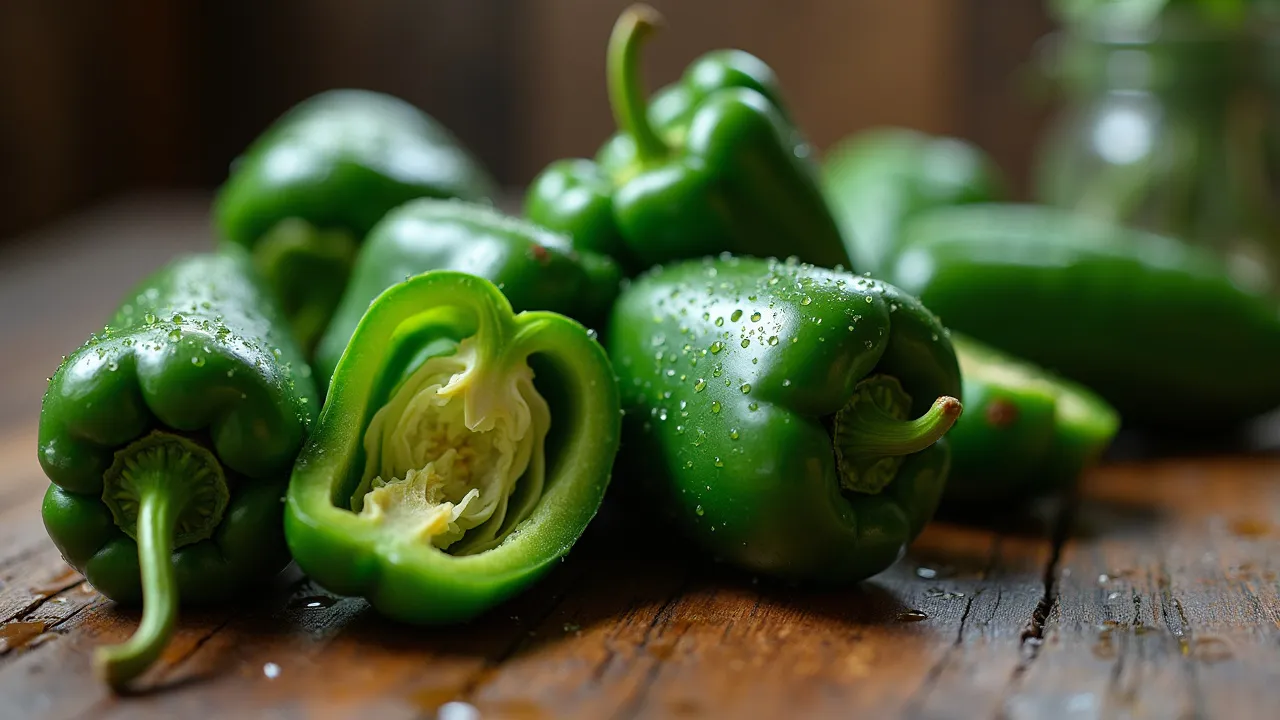
Green Peppers Day is observed annually on August 5th, celebrating the vibrant, crunchy bell pepper in its green state. Learn about its history, nutritional benefits, and global culinary uses.
The Historical Origins & Evolutionary Journey
Green Peppers Day, celebrated annually on August 5th, honors the humble yet versatile green bell pepper (Capsicum annuum). While the exact origins of this food holiday remain ambiguous, it likely emerged from the broader movement of national food days promoted by the National Day Calendar in the early 2010s. The day serves as an opportunity to appreciate the pepper's crisp texture and mild heat that enhances countless dishes worldwide.
The Foundational Catalyst
Green peppers are actually unripe bell peppers that would turn red, yellow, or orange if left to mature. Indigenous to Central and South America, peppers were cultivated for thousands of years before being introduced to Europe by Christopher Columbus's voyages. European explorers quickly spread them across the globe, and by the 16th century, bell peppers were grown in Asia, Africa, and beyond. The green pepper's mild flavor made it a staple in diverse cuisines, from Mediterranean salads to Asian stir-fries.
Legislative/Official Adoption
Unlike major holidays, Green Peppers Day is not federally recognized but has gained traction through social media and food blogs. The National Day Calendar officially lists it, and many gardening and cooking websites promote the day with recipes and activities. First known celebrations were informal, with enthusiasts sharing pepper-based dishes online. By 2015, the day had solidified its presence in the food holiday calendar.
Modern Global Legacy
Today, Green Peppers Day is marked by home cooks, farmers, and nutrition advocates. It highlights the pepper's nutritional profile: high vitamin C (more than an orange), fiber, and antioxidants. The day also emphasizes sustainable gardening, as green peppers are relatively easy to grow. In the digital age, it has become a trending hashtag (#GreenPeppersDay) on platforms like Instagram and Pinterest, where users showcase stuffed peppers, fajitas, and salads.
How to Celebrate Green Peppers Day
August 5th offers countless ways to honor green peppers. Whether you're a home cook, gardener, or health enthusiast, here are actionable ideas to make the most of the day.
- Cook a Green Pepper-Centric Meal: Prepare stuffed peppers with rice and ground meat, fajitas with onions and peppers, or a fresh salad with sliced green peppers and vinaigrette.
- Visit a Farmers' Market: Buy locally grown green peppers to support farmers and enjoy peak freshness. Many markets offer sample tastings or special discounts on August 5th.
- Start a Garden: Plant bell pepper seeds in containers or raised beds. Green peppers thrive in warm climates and can be grown year-round indoors with proper lighting.
- Share on Social Media: Post your green pepper creations using #GreenPeppersDay and tag friends to encourage participation. Include fun facts or nutritional stats.
- Preserve the Harvest: Roast and freeze green peppers for later use, or pickle them with vinegar and spices for a tangy snack.
- Host a Pepper Tasting Party: Offer different pepper varieties (green, red, yellow, orange) and let guests compare flavors. Educate them on how ripeness changes sweetness.
Global Celebrations
While August 5th is primarily a US observance, other countries have their own pepper days. For example, Mexico celebrates Día del Chiles y los Pimientos (Chiles and Peppers Day) in September. In Italy, green peppers feature heavily in summer festivals like Festa del Peperone in the Piedmont region. In India, green capsicum (shimla mirch) is integral to street food and is celebrated through cooking competitions.
Nutritional Benefits of Green Peppers
Green peppers are a nutrient-dense food packed with vitamins and minerals. A single medium pepper contains over 100% of the daily recommended intake of vitamin C, essential for immune function and collagen production. They also provide vitamin A (from beta-carotene), vitamin B6, and vitamin K. The fiber content supports digestive health, while antioxidants like lutein promote eye health.
- Low Calories, High Volume: Green peppers are about 30 calories per cup, making them ideal for weight management. Their high water content adds volume to meals without extra calories.
- Antioxidants: Chlorophyll and carotenoids present in green peppers combat oxidative stress, reducing the risk of chronic diseases.
- Heart Health: Potassium and magnesium help regulate blood pressure, while fiber lowers cholesterol.
- Cancer Prevention: Early studies suggest that capsaicin (though low in bell peppers) and other compounds may inhibit cancer cell growth.
To maximize benefits, eat green peppers raw or lightly steamed; prolonged cooking can reduce vitamin C content. Pair them with iron-rich foods to enhance absorption.
Global Culinary Uses of Green Peppers
Green peppers feature prominently in cuisines worldwide. In the United States, they are essential for classics like Philly cheesesteak (with green peppers and onions), stuffed peppers, and pizza toppings. In Mexico, they are used in chiles rellenos (though often with poblano) and fajitas.
- Asia: In Indian cooking, green capsicum is added to curries (e.g., capsicum masala) and biryani. In Chinese stir-fries, they pair with meat and soy sauce. Thai cuisine uses them in green curry and pad prik.
- Europe: Italian peperonata is a stewed pepper dish with tomatoes and herbs. In Spain, roasted green peppers (pimientos de Padrón) are served as tapas.
- Africa: In Moroccan tagines, green peppers add freshness. Nigerian cuisine incorporates them into stews and rice dishes.
- Middle East: Stuffed peppers (mahshi) with rice and spices are a staple from Egypt to Lebanon.
Green peppers' mild flavor allows them to absorb other seasonings, making them a versatile base for many recipes.
Growing Green Peppers: A Gardener's Guide
Growing your own green peppers can be rewarding. They are warm-season plants that require full sun and well-draining soil. Here are key tips:
- Start Seeds Indoors: Sow seeds 8-10 weeks before the last frost. Germination takes 7-14 days at 70-80°F.
- Transplant Outside: After danger of frost, space plants 18-24 inches apart. Use cages or stakes for support.
- Water Consistently: Keep soil evenly moist but not waterlogged. Mulch to retain moisture and suppress weeds.
- Fertilize: Apply a balanced fertilizer every two weeks after flowering begins.
- Harvest Green: Green peppers are ready 60-80 days after transplanting when firm and full-sized. They will turn red if left longer, but picking green encourages more fruit.
Common pests include aphids and spider mites; use insecticidal soap if needed. With proper care, each plant can yield 5-10 peppers per season.
Economic Impact of the Bell Pepper Industry
The global bell pepper market is substantial. According to industry reports, the market was valued at over $20 billion in 2023 and is projected to grow at a CAGR of 4.5% through 2030. Leading producers include China, Mexico, Spain, and the United States (primarily Florida and California). Green peppers dominate the market as they have a longer shelf life than ripe colored varieties.
Employment in pepper farming, processing, and distribution supports thousands of jobs. The rise of organic farming has also created niche markets. Green peppers are a staple in the processed food sector, appearing in frozen mixes, sauces, and canned goods.
Challenges include climate change affecting yields, pest management, and price volatility. However, consumer demand for fresh produce and healthy eating continues to drive growth.
Fun Facts and Trivia About Green Peppers
- Bell peppers are fruits! Botanically, they are berries because they develop from a flower and contain seeds.
- Green peppers are unripe Red, yellow, and orange bell peppers are the same species at different ripening stages. Green peppers are less sweet and slightly bitter due to lower sugar content.
- Vitamin C powerhouse: A green bell pepper has more vitamin C than an orange of the same weight.
- Peppers are zero Gay: Despite common misconception, bell peppers do not contain capsaicin, the chemical that makes chili peppers hot.
- World's largest bell pepper: The Guinness World Record for the heaviest bell pepper is 1.5 pounds (680 grams), grown in Manitoba, Canada in 2014.
- Ancient history: Archaeologists found pepper seeds in Mexico dating back to 7,000 BC.
- Pepper color affects nutrition: Red peppers have more beta-carotene, while green peppers have more chlorophyll.
Historical Timeline
Earliest archaeological evidence of pepper seeds found in Tehuacán Valley, Mexico, showing domestication began thousands of years ago.
Christopher Columbus returns from the New World with chili peppers, including bell peppers, introducing them to Europe.
The first recorded cultivation of bell peppers in Europe occurs in Spain, spreading quickly to other Mediterranean countries.
Bell peppers become a common commercial crop in the United States, especially in Florida and California, fueled by demand from the processed food industry.
National Day Calendar lists 'Green Peppers Day' as an unofficial food holiday to be observed on August 5th, spurring social media celebrations.
A bell pepper weighing 1.5 pounds (680 grams) grown by Brent and Darcy Friesen in Manitoba, Canada sets a new Guinness World Record.
During the pandemic, home gardening surges, with bell peppers among top vegetables grown. Green Peppers Day gains more visibility online.