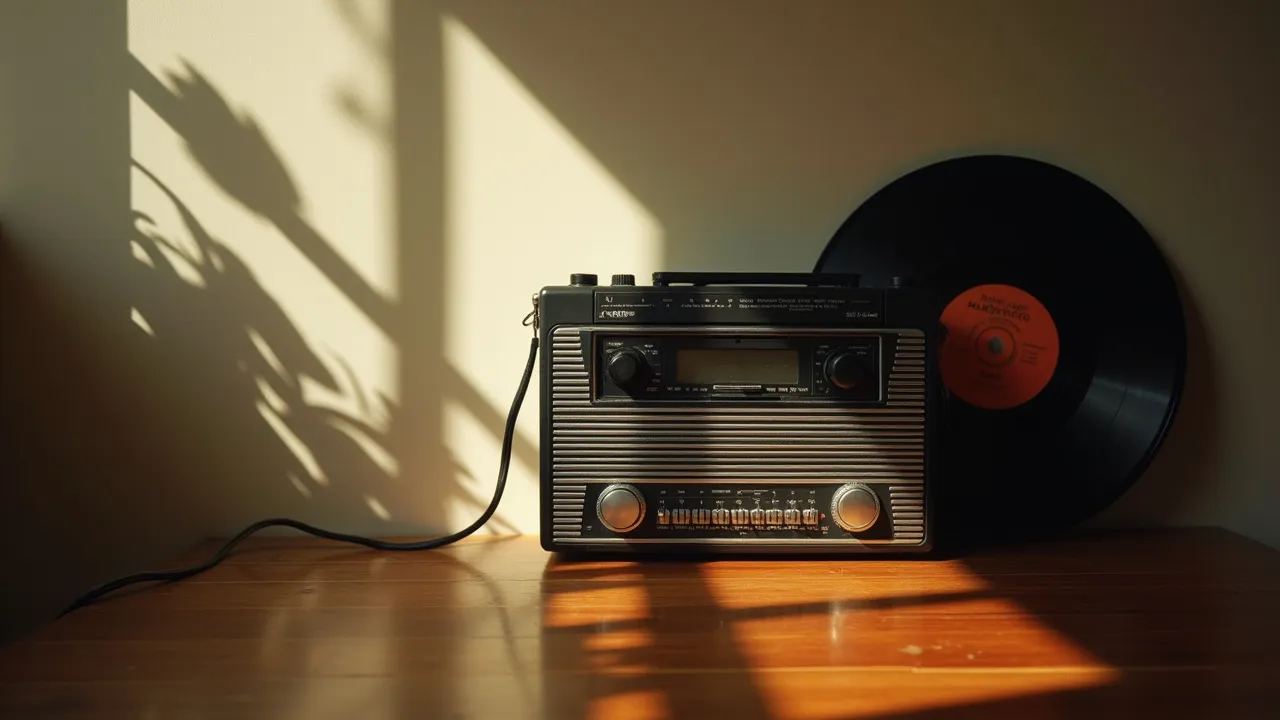
National One-Hit Wonder Day, observed on September 25th, celebrates the artists and songs that burned brightly for a single chart-topping moment. It honors the nostalgia and cultural impact of these unique musical milestones.
The Historical Origins & Evolutionary Journey
National One-Hit Wonder Day emerged from the golden age of radio when disc jockeys began noticing a pattern: certain artists would storm the charts with a single unforgettable track and then vanish from the mainstream. The term 'one-hit wonder' was popularized in the 1980s, but the day itself was first informally celebrated in 1990 by a group of music enthusiasts at a college radio station in Ohio.
The Foundational Catalyst
The idea crystallized during a retrospective show that played only singles that had reached #1 but whose artists never charted again. Listeners responded with overwhelming nostalgia, leading to an annual broadcast that eventually spread to other stations. The catalyst was the sheer emotional resonance of these songs—tied to specific moments in people's lives.
The Official Adoption
By the mid-1990s, the day gained traction through listener call-in shows and newspaper features. While never formally legislated, September 25th was chosen because it falls between the end of summer and the start of fall, a transitional period perfect for reflection. Major music databases like Billboard and Wikipedia unofficially recognize the day, and it is celebrated in both the United States and abroad.
Modern Global Legacy
Today, National One-Hit Wonder Day is a staple of online music communities. Streaming platforms create playlists, social media trends resurface classic hits, and podcasts dedicate episodes to dissecting the stories behind these artists. The day has evolved into a celebration of fleeting fame and the power of a single song to define an era.
How to Celebrate National One-Hit Wonder Day
Celebrating this day is about revisiting musical memories and discovering hidden gems. Here is a comprehensive guide for individuals, schools, and organizations.
- Create a Playlist: Compile a list of your favorite one-hit wonders from any decade. Use streaming services or old CDs, and share it with friends.
- Host a Listening Party: Gather a small group and take turns playing songs while guessing the artist or year. Use trivia questions to deepen engagement.
- Social Media Campaign: Post a video of yourself singing or dancing to a one-hit wonder. Use hashtags like #OneHitWonderDay and tag the artist if possible.
- School & Educational Activities: Music teachers can assign students to research a one-hit wonder and present its historical context. This blends music history with pop culture.
- Corporate Celebrations: Office radio stations or internal newsletters can feature a 'song of the hour' trivia. Encourage employees to share their personal one-hit wonder memories.
International Variations
While primarily a US-centric day, music lovers worldwide adapt it. In the UK, stations often focus on acts that had a single Top 10 hit. In Japan, where 'one-hit wonder' is less known, similar concepts exist around 'koyomi' songs. In Latin America, radio shows highlight the canción de un solo éxito with mariachi or salsa twists.
The Cultural Impact of One-Hit Wonders
One-hit wonders are cultural time capsules that capture the zeitgeist of their release years. They often define entire seasons or movements, from disco to grunge.
Nostalgia and Memory
Hearing a one-hit wonder can instantly transport listeners back to a specific age, place, or emotion. This phenomenon is why the day resonates so strongly: it taps into collective memory.
Influence on the Music Industry
These songs challenge the notion that longevity equals quality. Many one-hit wonders are innovative, genre-bending tracks that record labels failed to replicate. They remind the industry that unpredictability is a key ingredient of pop success.
Social Media Revival
Platforms like TikTok have revived many one-hit wonders, introducing them to Gen Z. Songs like 'Blue (Da Ba Dee)' and 'Dragostea Din Tei' have found new life through memes and challenges.
Notable One-Hit Wonders Through the Decades
Below are some of the most iconic one-hit wonders, each with a unique story.
- 1958 – The Champs 'Tequila': An instrumental track that became a #1 hit and remains a party staple.
- 1974 – Carl Douglas 'Kung Fu Fighting': Capitalized on the martial arts craze, selling over 11 million copies.
- 1982 – Dexys Midnight Runners 'Come On Eileen': A folk-pop anthem that topped charts worldwide.
- 1997 – Chumbawamba 'Tubthumping': Became an anthem of resilience and was adopted by sports fans.
- 2005 – James Blunt 'You're Beautiful': Despite other hits, this is his defining song; in the US it's considered a one-hit wonder due to chart dominance.
- 2011 – Gotye 'Somebody That I Used to Know': A global smash that outperformed all his other releases.
The Psychology of the One-Hit Wonder
Why do some artists achieve a single massive hit and then fade away? Several psychological and industry factors are at play.
The Peak-and-Fade Phenomenon
These artists often experience a 'flash in the pan' due to a perfect storm of novelty, timing, and promotion. After the initial surge, the pressure to replicate that formula can be stifling, leading to creative paralysis or label abandonment.
Listener Attachment
Fans attach intense personal meaning to these songs, which can be difficult for the artist to surpass. The very specificity that made the song a hit becomes a trap.
Industry Dynamics
Record labels often invest heavily in promoting a single without building an artist's long-term brand. When the single fades, so does the support. Alternatively, some artists deliberately choose to not pursue mainstream fame, preferring to remain enigmatic.
One-Hit Wonders in the Digital Age
The rise of streaming and social media has changed the definition of a one-hit wonder. Today, a hit can go viral and then be forgotten in weeks.
Shortened Attention Spans
In the era of TikTok and Spotify playlists, a song can accumulate millions of streams without translating to sustained artist recognition. This creates new one-hit wonders regularly.
Opportunities for Revival
Digital platforms also allow older one-hit wonders to be rediscovered. Covers, remixes, and meme use can generate new royalty streams for original artists.
Artist Resilience
Modern one-hit wonders often have more control over their narrative. Many use their moment of fame to launch other ventures, like podcasting or producing, turning a single hit into a lasting career.
Historical Timeline
The term 'one-hit wonder' gains widespread use after a Billboard article highlights the phenomenon. Radio stations begin informal theme shows.
National One-Hit Wonder Day is first celebrated informally by a college radio station in Ohio on September 25th. The date is chosen for its transition between seasons.
The day gains national media coverage after a syndicated radio show adopts it. Music databases start listing the day in pop culture calendars.
Streaming begins to change the definition; the day is now observed online with blogs and forums sharing lists and stories.
Spotify officially launches a 'One-Hit Wonder' playlist on September 25th, giving the day a major digital platform boost.
The hashtag #OneHitWonderDay trends on Twitter, with millions of posts sharing memories and rediscovering classic tracks.