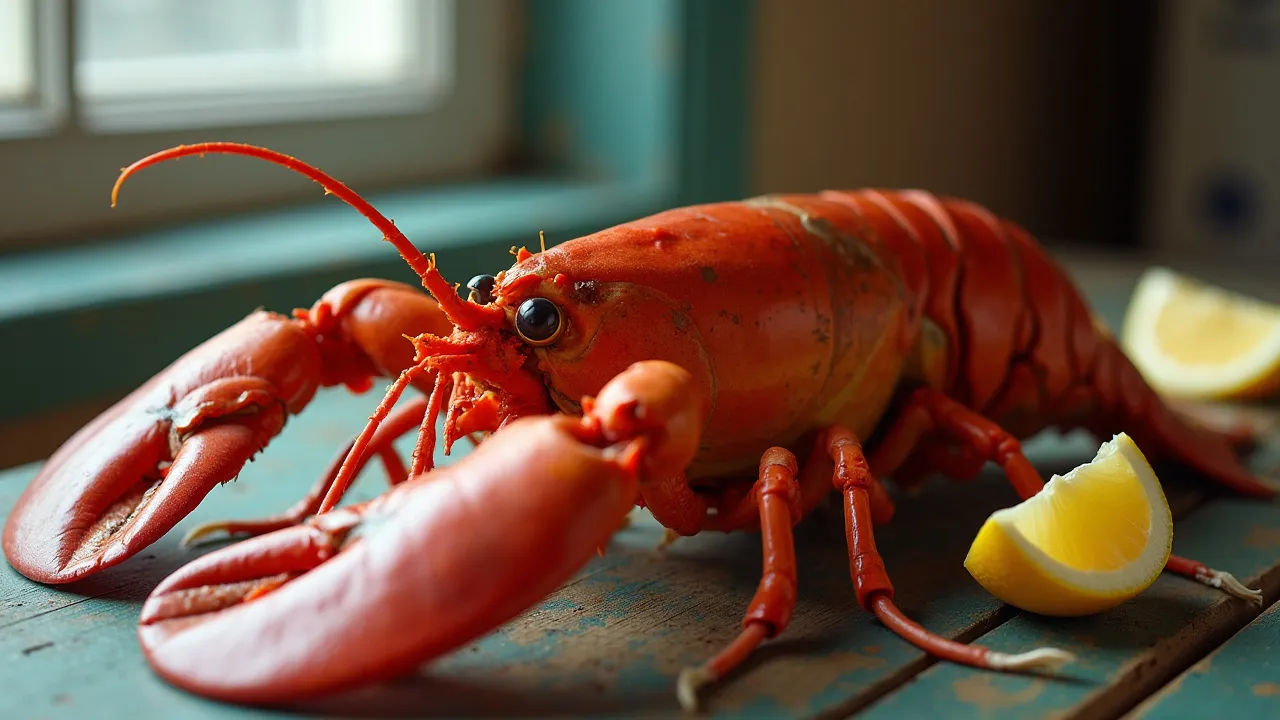
National Lobster Day on September 25th celebrates America's favorite crustacean. Dive into its rich history, culinary traditions, and economic impact, and discover how to enjoy this seafood delicacy responsibly.
The Historical Origins & Evolutionary Journey
National Lobster Day, observed on September 25th in the United States, traces its roots to a combination of historical fishing traditions and modern marketing initiatives. While lobsters have been harvested for centuries by Indigenous peoples and early European settlers, the formal celebration of this day began relatively recently.
The Foundational Catalyst
Lobsters were once so abundant along the North Atlantic coast that they were considered "poor man's food" and used as fertilizer. By the mid-19th century, canning technology and railway expansion transformed lobster into a luxury commodity. The first known official recognition of a lobster holiday came in 2015 when the National Lobster Day Organization launched a campaign to honor the crustacean and the coastal communities dependent on it.
The Legislative/Official Adoption
Although no federal proclamation exists, several state legislatures have passed resolutions recognizing September 25 as National Lobster Day. Maine and Massachusetts were early adopters, reflecting their deep ties to lobster fishing. The date was chosen to coincide with the peak of the lobster harvesting season and the start of autumn tourism in New England.
Modern Global Legacy
Today, National Lobster Day is celebrated across the United States and increasingly in Canada and Europe. It serves as a platform for promoting sustainable fishing practices, supporting local fishermen, and sharing culinary innovations. The holiday has grown beyond a simple marketing gimmick into a cultural touchstone for seafood lovers worldwide.
How to Celebrate National Lobster Day
Whether you're a seasoned lobster lover or a curious newcomer, National Lobster Day offers countless ways to participate. This comprehensive guide covers actionable strategies for individuals, families, schools, and businesses.
For Individuals and Families
- Cook a Classic Lobster Feast: Steam or boil whole lobsters and serve with melted butter, corn on the cob, and coleslaw. Try a lobster bake for an authentic coastal experience.
- Visit a Local Lobster Shack: Support regional seafood restaurants that specialize in lobster rolls, bisques, and stews.
- Host a Lobster-Themed Party: Decorate with nautical themes, play sea shanties, and serve lobster dishes. Encourage guests to wear lobster-inspired attire.
For Schools and Educational Institutions
- Teach Marine Biology: Use lobster anatomy lessons to explain crustacean physiology and ocean ecosystems.
- Field Trips: Organize visits to local fish markets, harbors, or marine institutes to learn about lobster life cycles and sustainable fishing.
- Cooking Classes: Collaborate with culinary programs to demonstrate proper lobster preparation and cooking techniques.
For Businesses and Organizations
- Offer Special Menus: Restaurants can feature limited-time lobster dishes, pairing them with local beers or wines.
- Run Social Media Campaigns: Share fun lobster facts, recipes, and behind-the-scenes looks at lobster harvesting.
- Support Sustainability: Partner with organizations like the Marine Stewardship Council to promote responsibly sourced lobster.
Global Variations
While September 25 is the primary US date, other regions celebrate differently. In Canada, some coastal provinces observe a "Lobster Day" in early spring when the season opens. In the UK, lobster festivals occur in Cornwall and Scotland throughout the summer. These variations highlight the global appreciation for lobster.
The Lobster Industry: Economic and Ecological Impact
Lobster fishing is a multi-billion-dollar industry that supports thousands of jobs in the United States and Canada. The economic ripple effects extend from small harbor towns to international markets.
Economic Significance
- Annual Landings: The US lobster fishery lands over 130 million pounds annually, with Maine accounting for approximately 80% of the catch.
- Export Value: Lobster is one of America's top seafood exports, with major markets in Canada, China, and Europe.
- Employment: The industry provides direct employment for over 10,000 fishermen and indirect jobs in processing, distribution, and hospitality.
Sustainability Challenges and Solutions
Overfishing, climate change, and habitat loss threaten lobster populations. The industry has responded with innovative practices:
- Size and Egg-Bearing Limits: Regulations require lobsters below a certain size and females with eggs to be released.
- V-Notch Programs: Fishermen mark egg-bearing females to protect them for future reproduction.
- Restricted Entry: Many states limit the number of lobster fishing licenses to prevent overcapacity.
These measures, combined with monitoring by organizations like the Atlantic States Marine Fisheries Commission, have kept the lobster population healthy overall, though regional shifts due to warming waters require continued vigilance.
Culinary Traditions and Innovations
Lobster has been a culinary staple for centuries, evolving from simple boiled fare to haute cuisine. National Lobster Day is a perfect time to explore its versatility.
Classic Dishes
- Lobster Roll: Hot or cold, this sandwich of lobster meat in a buttered bun is iconic in New England.
- Lobster Bisque: A creamy, flavorful soup made from lobster shells and stock.
- Whole Steamed Lobster: Served with drawn butter, the simplest and most traditional preparation.
Modern Twists
- Lobster Tacos: Grilled lobster with avocado, salsa, and lime crema.
- Lobster Mac and Cheese: A decadent fusion of comfort food and luxury.
- Lobster Sushi: Tempura lobster rolls with spicy mayo.
Chefs around the world have adopted lobster, incorporating local spices and techniques. In Asia, lobster is often stir-fried with ginger and scallions; in the Caribbean, it's grilled with jerk seasonings.
Regional Celebrations and Traditions
National Lobster Day on September 25 is primarily a US celebration, but lobster festivities occur year-round across the globe.
United States
New England towns host lobster boat races, chowder cook-offs, and street fairs. Maine's Rockland Lobster Festival in August is a precursor to National Lobster Day. Restaurants nationwide offer special deals and tasting menus.
Canada
In Maritime provinces like Nova Scotia and Prince Edward Island, lobster season openers in spring are celebrated with community feasts and "lobster suppers." Canada does not have a single national lobster day, but many towns hold annual lobster festivals.
Europe
In the UK, the Shetland Lobster Festival in June highlights Scottish lobster. The French coast celebrates with bouillabaisse-style dishes. Norway's lobster season begins in September, aligning with US celebrations.
Asia
China, a major lobster importer, has seen growing demand for live lobsters during Lunar New Year and other festivals. Hong Kong and Macau feature lobster dim sum and stir-fries.
Fun Facts and Myths About Lobsters
Lobsters are fascinating creatures, and National Lobster Day is an opportunity to debunk common myths.
Interesting Facts
- Longevity: Lobsters can live to be over 100 years old. They do not show signs of aging.
- Regeneration: They can regrow lost claws, legs, and antennae.
- Color: Most lobsters are greenish-brown; red color only appears after cooking.
- Giant Lobsters: The largest recorded lobster weighed over 44 pounds and was estimated to be 100 years old.
Common Myths
- Myth: Lobsters scream when boiled. Fact: The sound is steam escaping the shell, not a vocalization.
- Myth: Lobsters are cannibalistic in the wild. Fact: While they may scavenge, cannibalism is rare under natural conditions.
- Myth: Lobsters are immortal. Fact: They can die from disease, injury, or exhaustion during molting.
Understanding these facts enhances appreciation for this remarkable animal and promotes ethical consumption.
Historical Timeline
European settlers in New England observe Native Americans using lobsters as bait and fertilizer due to their abundance. Lobsters begin appearing in colonial cookbooks.
Canning technology allows lobster to be shipped inland. The first commercial lobster canneries open in Maine and Nova Scotia.
Railways expand, making fresh lobster available to urban markets. Lobster becomes a popular delicacy in Boston and New York.
Overfishing leads to a decline in lobster populations. Early conservation measures, including minimum size limits, are introduced in Maine.
The lobster roll gains popularity at roadside stands in Maine. The dish becomes a regional icon.
President Ronald Reagan signs a proclamation declaring September 25 as National Lobster Day, but the day is not widely observed.
The National Lobster Day Organization relaunches the holiday with a marketing campaign. September 25 is designated to coincide with peak lobster season and fall tourism. Social media amplifies the celebration.
Climate change shifts lobster populations northward. The industry adapts with new sustainable practices. National Lobster Day grows in popularity, with restaurants and retailers offering promotions nationwide.