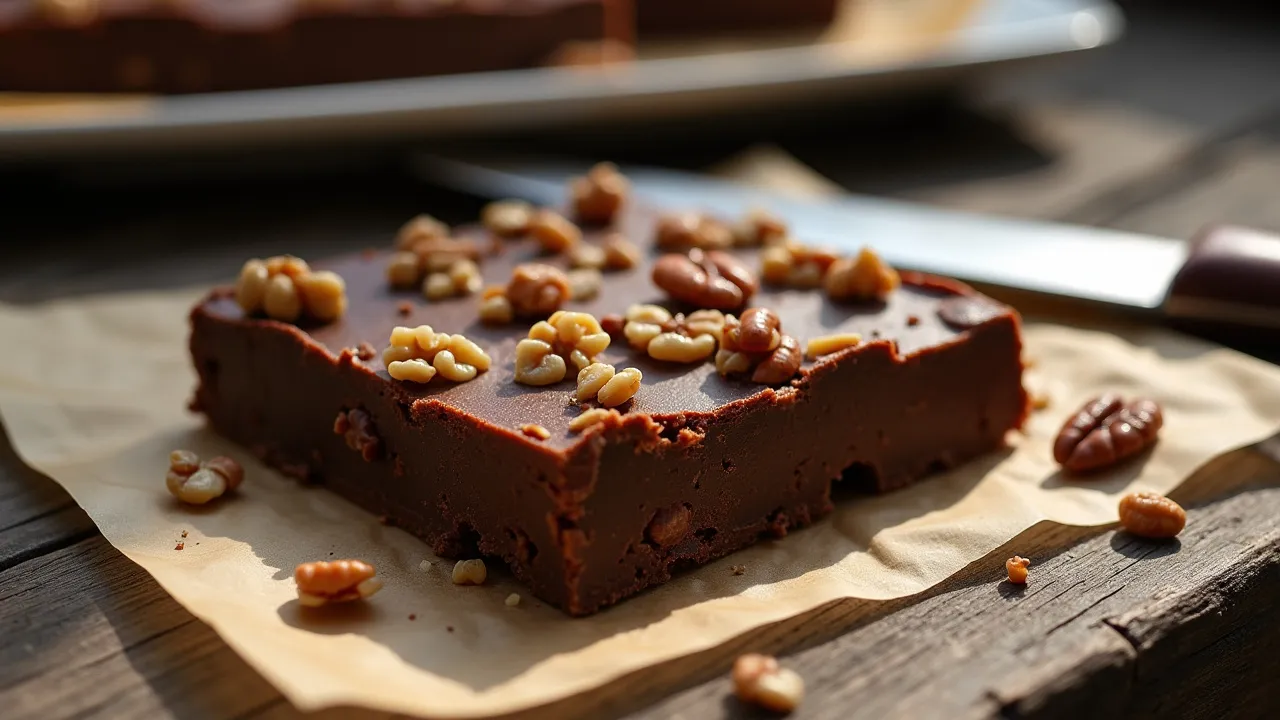
National Nutty Fudge Day, celebrated on May 12th, pays tribute to the rich, nut-filled confection that combines creamy fudge with crunchy nuts. This day encourages homemade and artisanal creations, celebrating a beloved American treat with global variations.
The Historical Origins & Evolutionary Journey
National Nutty Fudge Day, observed annually on May 12th, celebrates the irresistible combination of creamy fudge and crunchy nuts. While the exact origins of this food holiday remain obscure, its roots are deeply embedded in American culinary history. Fudge itself first appeared in the late 19th century, with the earliest known recipe published in 1886 in a Baltimore newspaper. The addition of nuts, such as walnuts and pecans, quickly became a popular variation, giving rise to nutty fudge as a distinct subtype.
The Foundational Catalyst
The story of nutty fudge begins with the invention of fudge itself. Legend has it that fudge was the result of a failed batch of caramels, leading to a soft, creamy confection. By the 1890s, fudge was being sold at seaside resorts and candy shops across the United States. Nuts were added to enhance texture and flavor, creating a more decadent treat. The first documented reference to "nutty fudge" appears in a 1904 cookbook, which included a recipe for chocolate fudge with walnuts.
The Legislative/Official Adoption
Unlike some national days, National Nutty Fudge Day was not established by government proclamation. Instead, it emerged from the grassroots efforts of food enthusiasts and candy companies in the early 2000s. Websites like National Day Calendar and food bloggers popularized the date, leveraging the growing trend of celebrating food-themed holidays. By 2010, it had gained widespread recognition, with confectioners and home bakers sharing recipes and promotions online.
Modern Global Legacy
Today, nutty fudge is enjoyed worldwide, from classic American recipes with walnuts to European versions using hazelnuts and almonds. The day has become a platform for culinary creativity, inspiring variations like vegan nutty fudge, spicy chili nut fudge, and gluten-free options. Social media plays a key role, with hashtags like #NationalNuttyFudgeDay trending each May 12th. The observance also supports small batch candy makers and artisanal producers, reinforcing the cultural significance of handcrafted sweets.
How to Celebrate National Nutty Fudge Day
Celebrating National Nutty Fudge Day on May 12th offers endless possibilities for indulgence and fun. Here is the ultimate guide to making the most of this delicious observance.
Individual Celebration Ideas
- Homemade Fudge: Whip up a batch of classic chocolate nutty fudge using your favorite nuts—walnuts, pecans, almonds, or hazelnuts. Experiment with different chocolate types: milk, dark, or white.
- Taste Test: Gather an assortment of store-bought nutty fudges from local candy shops or online purveyors. Compare flavors and textures to find your favorite.
- Share with Others: Package small portions of nutty fudge in decorative tins or bags and gift them to neighbors, coworkers, or friends.
School and Community Activities
- Fudge-Making Workshop: Organize a school or community event where participants learn to make nutty fudge. Provide pre-measured ingredients and safety guidelines.
- Fudge Sale Fundraiser: Use the day to raise money for a cause by selling nutty fudge. Promote through social media and local bulletin boards.
- Creative Contest: Host a nutty fudge recipe contest, judging based on taste, appearance, and originality. Award prizes for categories like "most unique nut combination" or "best vegan fudge."
Corporate and Social Rituals
- Office Treat Day: Companies can surprise employees with a nutty fudge bar, featuring multiple varieties. This boosts morale and encourages team bonding.
- Social Media Campaign: Brands can engage customers by asking them to share photos of their nutty fudge creations using a specific hashtag. Offer discounts or giveaways.
- Charity Partnership: Collaborate with a local charity to donate a percentage of fudge sales on this day. This aligns celebration with social responsibility.
International Variations
While National Nutty Fudge Day is primarily observed in the United States, nutty fudge variations are celebrated globally. In the United Kingdom, "rocky road" fudge includes nuts, marshmallows, and chocolate. In Australia, macadamia nut fudge is popular. In India, a version with pistachios and cardamom adds a unique twist. These regional adaptations showcase the versatility of nutty fudge across cultures.
Global Variations and Cultural Impact
Nutty fudge has transcended its American origins to become a global phenomenon, adapted to local tastes and ingredients. This section explores the diverse ways nutty fudge is made and enjoyed around the world.
North American Classics
In the United States and Canada, nutty fudge typically features walnuts or pecans in a chocolate or vanilla base. Regional variations include maple walnut fudge in the Northeast and pecan praline fudge in the South. These styles reflect local agricultural products and culinary traditions.
European Elegance
European confectioners often use hazelnuts, almonds, and pistachios. Italian gianduia, a chocolate and hazelnut paste, inspires a creamy, nutty fudge. In Switzerland, almond-studded milk chocolate fudge is a popular treat. French versions may include candied chestnuts or almonds.
Asian Innovations
In Asia, nutty fudge takes on new flavors. Japanese matcha white chocolate fudge with macadamia nuts offers a unique twist. Indian mava fudge, made with reduced milk and nuts like cashews and pistachios, is a festive favorite. These adaptations highlight the global appeal of nutty fudge while respecting local palates.
Cultural Significance
Nutty fudge often appears during holidays and celebrations. In the US, it is a staple at Christmas bake sales and family gatherings. In Mexico, similar nut-studded sweets are made for Día de Muertos. The day serves as a reminder of the comfort and joy that simple, homemade treats can bring.
Nutritional Profile and Health Considerations
While nutty fudge is undeniably a decadent indulgence, it can be enjoyed in moderation as part of a balanced diet. Understanding its nutritional components helps consumers make informed choices.
Caloric Content
A typical 1-ounce (28g) serving of nutty fudge contains about 120-150 calories, primarily from sugar and fat. Nuts add healthy unsaturated fats, protein, and fiber, but also increase calorie density. Portion control is key.
Beneficial Nutrients from Nuts
- Healthy Fats: Nuts provide monounsaturated and polyunsaturated fats, which support heart health.
- Protein: Almonds, walnuts, and peanuts contribute plant-based protein, aiding satiety.
- Vitamins and Minerals: Nuts are rich in vitamin E, magnesium, and selenium.
Dietary Variations
For those with dietary restrictions, nutty fudge can be adapted. Vegan versions use coconut oil or nut butter instead of dairy. Sugar-free options utilize stevia or erythritol. Gluten-free recipes are easy to create since traditional fudge uses chocolate and condensed milk, both naturally gluten-free.
Moderation Tips
Enjoy nutty fudge as an occasional treat. Pair it with fresh fruit or a cup of unsweetened tea to balance sweetness. Consider making mini portions or cutting fudge into small squares to prevent overindulgence.
Culinary Science of Nutty Fudge
Creating perfect nutty fudge is a blend of art and science. Understanding the chemistry behind fudge-making can elevate your results.
The Role of Sugar Crystals
Fudge is a crystalline candy, meaning its texture depends on the formation of tiny sugar crystals. The ideal fudge has a smooth, creamy consistency free of large crystals. This is achieved by controlling the temperature and cooling process. A standard recipe involves boiling sugar, butter, and milk to the soft-ball stage (234-240°F / 112-115°C).
The Impact of Nuts
Adding nuts affects both texture and structure. Nuts are hydrophobic and can interfere with sugar crystallization if not incorporated properly. To avoid graininess, chop nuts finely and fold them in after the fudge has cooled slightly. Toasting nuts beforehand enhances their flavor and reduces moisture content.
Common Troubleshooting
- Grainy Fudge: Caused by large sugar crystals. Solution: Ensure no sugar grains remain on pot sides during cooking; use a damp brush to wash them down.
- Too Soft: Under-cooking. Solution: Use a candy thermometer for accuracy.
- Too Hard: Over-cooking. Solution: Remove from heat immediately when temperature is reached.
Innovations in Modern Fudge Making
Today, food scientists have developed methods to create stable fudge with alternative sweeteners and dairy-free bases. The use of invert sugars, like corn syrup, helps prevent crystallization. Vacuum-sealed packaging extends shelf life, allowing artisanal fudge to be shipped worldwide.
Future Trends and Innovations
As consumer preferences evolve, nutty fudge continues to adapt. This section explores emerging trends that will shape the future of this beloved treat.
Health-Conscious Alternatives
With rising demand for low-sugar and keto-friendly options, manufacturers are developing nutty fudge sweetened with monk fruit or allulose. Protein-enriched fudge using whey or plant-based protein powders appeals to fitness enthusiasts.
Exotic Flavor Combinations
Adventurous palates seek unique pairings like matcha white chocolate fudge with macadamia nuts, or dark chocolate fudge with chili and peanuts. Smoked salt and rosemary are appearing in gourmet varieties, blurring the line between sweet and savory.
Sustainable Sourcing
Consumers increasingly value ethically sourced ingredients. Fair-trade chocolate and locally sourced nuts are becoming standard for premium brands. Some companies are experimenting with upcycled ingredients, such as using leftover nut pulp from nut milk production.
Global Fusion
Cultural fusion creates exciting hybrids, such as Mexican hot chocolate fudge with cinnamon and pepitas, or Thai coconut fudge with cashews and lemongrass. These innovations keep nutty fudge relevant in a globalized culinary landscape.
Historical Timeline
The first known fudge recipe is published in a Baltimore newspaper. The simple mixture of chocolate, sugar, and milk quickly becomes popular at women's colleges and seaside resorts.
A cookbook includes the first documented recipe for 'nutty fudge,' featuring walnuts. This marks the beginning of nuts as a standard addition to fudge.
Commercial fudge production expands, with companies like See's Candies offering pecan fudge. Nuts become a key differentiator in the candy market.
National Nutty Fudge Day begins to be observed on May 12th, promoted by food bloggers and online calendars. The day gains traction through social media.
The day is widely recognized by candy makers and consumers. Specialty fudge shops report increased sales on May 12th, and DIY fudge recipes trend online.
During the COVID-19 pandemic, homemade nutty fudge becomes a comfort food staple. Virtual fudge-making classes and online fudge sales surge.