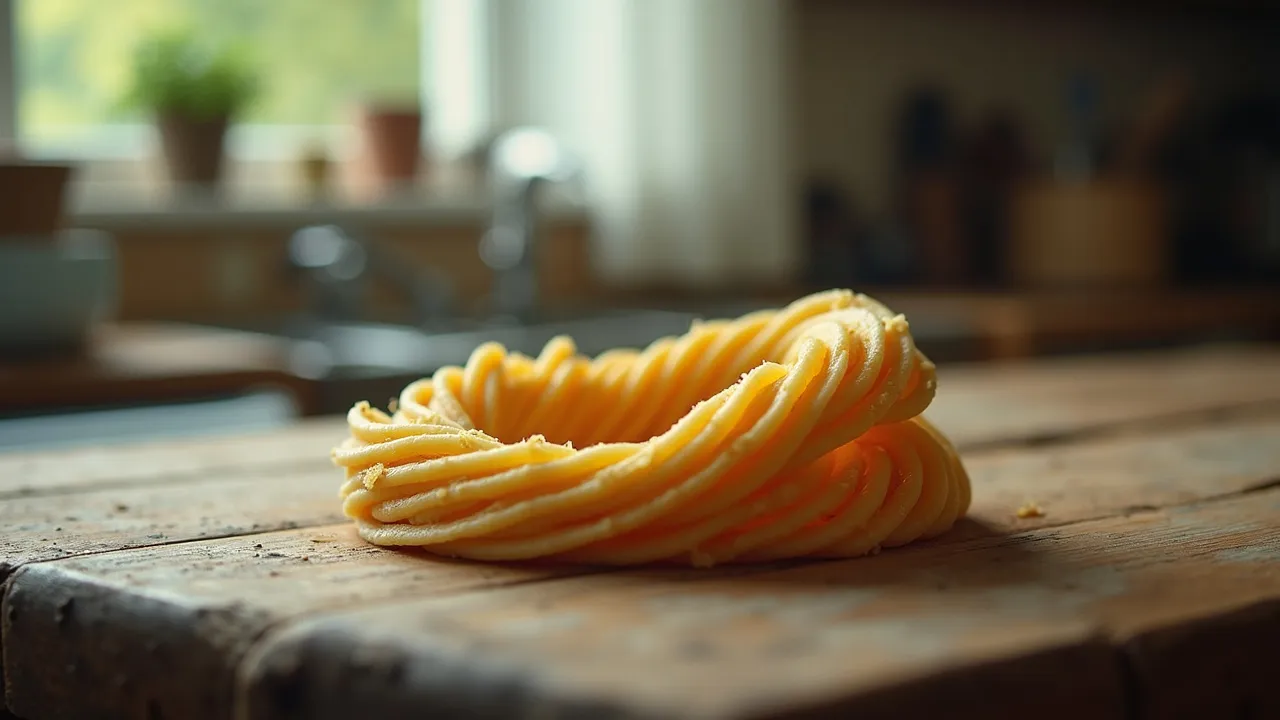
National Noodle Ring Day on December 11th celebrates the savory charm of noodle rings. This day honors a classic comfort dish, tracing its roots to early 20th-century home cooking and its evolution into a versatile culinary delight.
The Historical Origins & Evolutionary Journey of the Noodle Ring
National Noodle Ring Day, observed annually on December 11th, pays homage to a dish that once graced mid-century dinner tables and has seen a resurgence in modern gastronomy. The noodle ring, a baked ring of pasta often combined with cheese, eggs, and sauces, is a testament to the creativity of home cooks and the adaptability of simple ingredients.
The Foundational Catalyst: Early 20th Century Home Economics
The noodle ring emerged during the early 1900s, a period when home economics was a burgeoning field. Cookbooks such as Fannie Farmer's and later Betty Crocker promoted "molded" dishes that were both economical and elegant. The noodle ring was often used as a vessel for creamed vegetables, meats, or seafood, making it a staple for potlucks and family gatherings.
The Legislative/Official Adoption: A National Food Holiday
While the exact origin of National Noodle Ring Day is obscure, it is believed to have been created by a pasta brand or a community cookbook committee in the mid-20th century. Unlike federally proclaimed holidays, this day was adopted by food enthusiasts and nostalgic cooks who wanted to preserve a classic recipe. The date December 11th was chosen to kick off winter holiday entertaining, offering a hearty alternative to sweet treats.
Modern Global Legacy: From Retro to Gourmet
Today, the noodle ring has evolved from a retro casserole to a canvas for culinary innovation. Chefs reimagine it with gluten-free noodles, exotic spices, and plant-based ingredients. Social media platforms have revived interest, with food bloggers sharing modern twists like Thai-inspired noodle rings or vegan versions. The day encourages experimentation while honoring tradition.
How to Celebrate National Noodle Ring Day
Celebrating this day is about embracing the noodle ring in all its forms. Whether you are a seasoned cook or a novice, there are countless ways to participate.
Step-by-Step Celebration Guide
- Bake a Classic Noodle Ring: Start with a simple recipe: mix cooked egg noodles, beaten eggs, milk, shredded cheese, and seasonings. Pack into a greased ring mold, bake at 350°F for 30-40 minutes, then invert onto a plate. Serve with a creamy mushroom sauce or marinara.
- Host a Noodle Ring Potluck: Invite friends and family to bring their own versions. Award prizes for categories like "Most Creative Filling" or "Best Presentation."
- Teach a Child to Cook: Use the noodle ring as a fun, hands-on project for kids. They can help mix ingredients and watch the transformation in the oven.
- Document and Share: Post your creation on social media with the hashtag #NationalNoodleRingDay to join the global celebration.
Global Traditions and Variations
- United States: Traditional ring with cheddar cheese and peas, often served at church suppers.
- Italy: A timbale-like ring made with bucatini, ricotta, and tomato sauce, known as "anello di pasta."
- Japan: A fusion version using yakisoba noodles and teriyaki glaze, baked in a ring pan.
- Mexico: A spicy ring with chipotle, queso fresco, and chorizo, served with salsa verde.
Cultural Significance and Global Variations
The noodle ring transcends borders, adapting to local palates and ingredients. Its cultural significance lies in its ability to bring people together over a shared, comforting dish.
America: The Mid-Century Icon
In the 1950s and 1960s, the noodle ring symbolized convenience and hospitality. Jell-O molds and gelatin salads were popular, but the noodle ring offered a savory counterpoint. It was a common sight at church socials, bridal showers, and family reunions.
Europe: A Touch of Elegance
In Europe, especially in France and Italy, the concept of a "molded pasta" is akin to a timbale or torte. These versions often feature delicate fillings like truffle cream or lobster mousse, elevating the dish to haute cuisine.
Asia: Fusion Inspirations
Asian cuisines have embraced the ring shape, using rice noodles or soba. Fillings include stir-fried vegetables, tofu, and sweet chili sauces, creating a harmonious blend of Eastern and Western techniques.
Africa: Hearty Comfort Food
In South Africa, for example, a noodle ring might be filled with bobotie-style curry, topped with a golden egg custard. The dish reflects the nation's love for bold flavors and community feasts.
The Culinary Science of the Noodle Ring
Creating the perfect noodle ring requires understanding the interplay of ingredients and cooking methods.
Key Ingredients and Their Roles
- Noodles: Egg noodles are classic due to their structure. They provide starch that helps bind the ring. For gluten-free options, use brown rice pasta or bean threads.
- Eggs: Act as a binder, coagulating during baking to give the ring its shape. Typically 2-3 eggs per 8 ounces of pasta.
- Cheese: Adds moisture and flavor. Hard cheeses like Parmesan create a crust, while soft cheeses like cream cheese add richness.
- Liquid: Milk or broth ensures a creamy texture. Too much liquid makes the ring soggy; too little makes it dry.
The Baking Process
Precooking the noodles al dente is crucial, as they will continue to cook in the oven. The mixture should be packed firmly into a well-greased ring mold to eliminate air pockets. Baking at 350°F allows gentle setting. Let the ring rest for 5 minutes before unmolding to ensure it holds its shape.
Common Mistakes and Solutions
- Ring collapses: Not enough eggs or binder. Add an extra egg or breadcrumbs.
- Soggy bottom: Overmixing or too much liquid. Drain noodles well and reduce milk.
- Bland taste: Under-seasoning. Increase salt, pepper, and herbs like chives or parsley.
Modern Trends and Adaptations
The noodle ring has experienced a renaissance, thanks to the rise of food blogging and nostalgic cooking trends. Modern adaptations cater to dietary preferences and global flavors.
Plant-Based and Vegan Versions
Replace eggs with flax eggs or mashed potatoes, use vegan cheese and milk alternatives. Fillings can include roasted vegetables, nutritional yeast, and legumes.
Gluten-Free Innovations
Using gluten-free pasta made from quinoa, rice, or lentils ensures the dish is accessible. Bind with psyllium husk or tapioca starch to maintain structure.
Spicy and Ethnic Twists
Infuse the ring with harissa, curry paste, or gochujang. Top with sriracha mayo or tahini sauce for a modern kick.
Individual Mini Rings
Use muffin tins to create portion-sized rings, perfect for parties or meal prep. Baking time reduces to 15-20 minutes.
Health and Nutrition Considerations
While traditionally rich in carbohydrates and fats, the noodle ring can be adapted for healthier eating without sacrificing flavor.
Macronutrient Balance
A standard serving (1/6 of a ring) contains about 300-400 calories, 15g protein, 20g fat, and 30g carbs. To lighten it: use whole-wheat noodles, low-fat cheese, and egg whites. Add vegetables like spinach, broccoli, or zucchini to boost fiber and nutrients.
Dietary Modifications
- Low-Carb: Substitute noodles with spiralized zucchini or shirataki noodles. Reduce or omit breadcrumbs.
- High-Protein: Mix in cottage cheese, ground turkey, or tofu. Use Greek yogurt instead of milk.
- Heart-Healthy: Use olive oil, reduce sodium, and incorporate omega-3-rich ingredients like flaxseed or salmon.
Food Safety Tips
Since the ring contains eggs and dairy, ensure it reaches an internal temperature of 160°F. Refrigerate leftovers within two hours and consume within 3 days. Reheat thoroughly.
Historical Timeline
First known recipe for a noodle ring appears in the 'Boston Cooking-School Magazine', featuring a simple custard and noodle mixture.
Noodle rings become popular during World War II as a way to stretch rationed ingredients like eggs and cheese.
Betty Crocker's 'Picture Cook Book' includes a 'Noodle Ring' recipe, cementing its place in American home cooking.
The noodle ring reaches peak popularity, frequently appearing at potlucks and church suppers. Vintage cookbooks feature variations with canned mushrooms and pimentos.
Interest wanes as convenience foods like boxed macaroni and cheese dominate. Noodle ring fades from mainstream cookbooks.
A revival begins with retro food movements and television shows like 'Mad Men' sparking nostalgia for 1950s dishes.
National Noodle Ring Day is unofficially recognized by food bloggers and online communities, with December 11th as the chosen date.
The pandemic fuels home cooking trends, leading to a surge in noodle ring recipes shared on social media platforms like Instagram and Pinterest.
Modern chefs experiment with gourmet versions, including truffle-infused rings and deconstructed presentations, keeping the tradition alive.