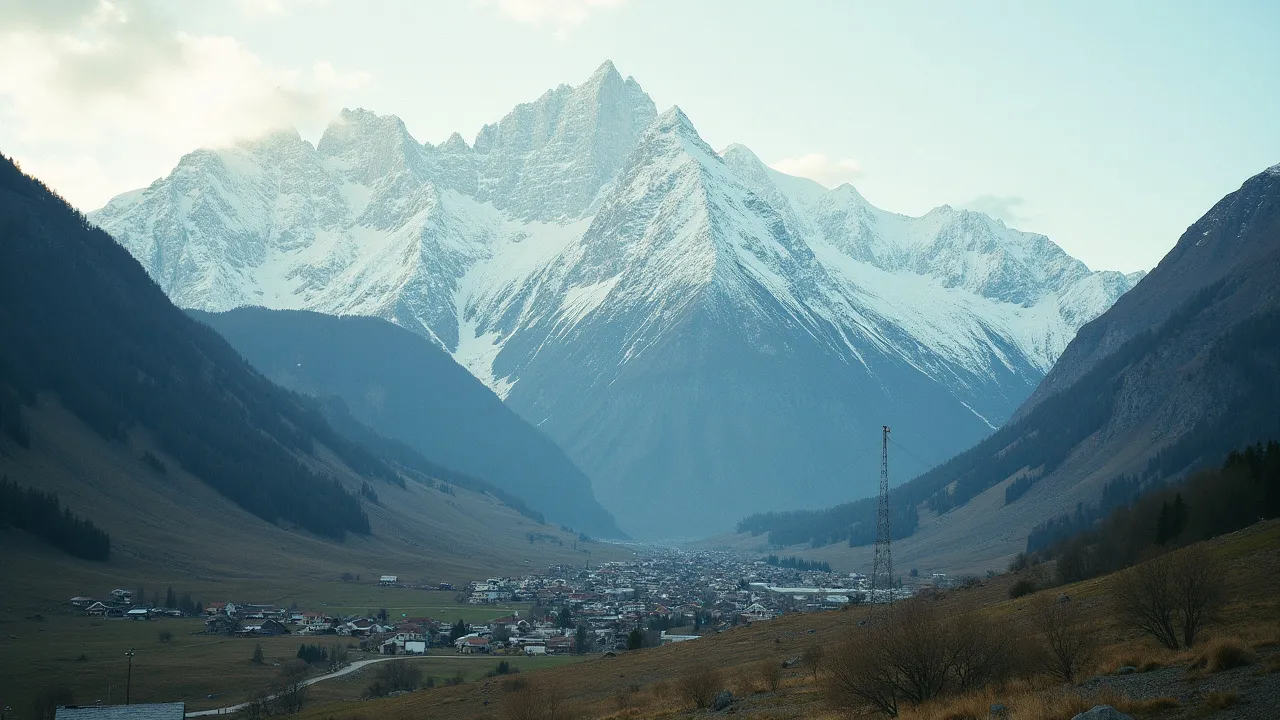
International Mountain Day, observed on December 11th, celebrates the vital role of mountains in providing freshwater, biodiversity, and cultural heritage. Join global efforts to promote sustainable mountain development and protect these fragile ecosystems.
The Historical Origins & Evolutionary Journey
The Foundational Catalyst
Mountains cover approximately 27% of the Earth's land surface and provide freshwater to over half of humanity. Recognizing their critical importance, the United Nations declared 2002 as the International Year of Mountains (IYM). This initiative aimed to raise awareness about mountain ecosystems, sustainable development, and the well-being of mountain communities. The IYM sparked global momentum, leading to the formal establishment of International Mountain Day.
The Legislative/Official Adoption
On December 20, 2002, the UN General Assembly adopted Resolution 57/245, designating December 11 as International Mountain Day, to be observed annually starting in 2003. The date was chosen to coincide with the end of the International Year of Mountains, ensuring continuity. The resolution urged governments, international organizations, and civil society to promote the sustainable development of mountain regions.
Modern Global Legacy
Since its inception, International Mountain Day has highlighted themes like food security, climate change, biodiversity, and indigenous cultures. Each year, the Food and Agriculture Organization (FAO) leads the global celebration, coordinating events and campaigns. The day has evolved into a platform for advocacy, bringing attention to the unique challenges faced by mountain peoples and the need for resilient mountain ecosystems.
How to Celebrate International Mountain Day
Individual and Community Celebrations
Celebrating International Mountain Day can be both meaningful and fun. Here are actionable strategies:
- Go on a mountain hike or trek to appreciate the natural beauty and learn about local flora and fauna.
- Support sustainable mountain tourism by choosing eco-friendly accommodations and guides.
- Organize a mountain cleanup to remove litter and preserve the landscape.
- Share mountain stories on social media using the hashtag #InternationalMountainDay to raise awareness.
School and Educational Activities
- Host a documentary screening about mountain ecosystems and the global water cycle.
- Invite a geographer or environmentalist for a virtual talk on mountain conservation.
- Conduct a science fair project on the effects of climate change on alpine environments.
Corporate and Organizational Events
Companies can:
- Donate a percentage of sales to mountain conservation NGOs.
- Organize team-building treks that include educational components.
- Launch sustainability initiatives focused on reducing the carbon footprint of mountain tourism.
Cultural Traditions Across Regions
In the Andes, communities celebrate with offerings to Pachamama. In the Himalayas, festivals like Maha Shivaratri often coincide with mountain reverence. In Europe, alpine villages host food fairs featuring local mountain cheese and other products. These diverse traditions underscore the universal connection to mountains.
The Global Impact of Mountains on Water and Food Security
Mountains are often called water towers of the world. They supply 60-80% of the planet's freshwater resources, supporting agriculture, hydropower, and daily needs for billions. International Mountain Day emphasizes the critical link between healthy mountain ecosystems and food security. Degradation due to deforestation, mining, and climate change threatens water availability and triggers conflicts. Sustainable mountain management, including reforestation and terracing, helps secure water flows and prevent disasters like landslides and floods.
Biodiversity Hotspots
Mountains harbor exceptional biodiversity. They contain half of the world's biodiversity hotspots and provide habitat for iconic species like the snow leopard and mountain gorilla. International Mountain Day promotes conservation efforts, such as establishing protected areas and combating illegal wildlife trade.
Climate Change and Mountain Ecosystems
Climate change is rapidly altering mountain environments. Glaciers are retreating at unprecedented rates, affecting water supplies downstream. Permafrost thaw destabilizes slopes, increasing avalanche and rockfall risks. Furthermore, temperature shifts force plant and animal species to migrate upward, leading to biodiversity loss. International Mountain Day serves as a call to action for climate adaptation strategies, including early warning systems, sustainable land use practices, and reducing greenhouse gas emissions.
Impacts on Mountain Communities
Indigenous and local communities, often stewards of mountain resources, face displacement and loss of livelihoods. Celebrations of International Mountain Day include workshops on climate-resilient farming and renewable energy projects.
Economic and Cultural Significance of Mountains
Mountains contribute significantly to the global economy through tourism, mining, and agriculture. Mountain tourism accounts for 15-20% of global tourism revenue. International Mountain Day highlights the need for sustainable tourism that benefits local communities without degrading the environment. Culturally, mountains are sacred in many religions—like Mount Kailash in Hinduism and Mount Fuji in Shintoism. The day encourages preservation of cultural heritage, including traditional crafts, music, and oral histories.
Policy Frameworks and International Cooperation
International Mountain Day supports the implementation of the 2030 Agenda for Sustainable Development, particularly SDG 15 (life on land) and SDG 6 (clean water). The UN, FAO, and the Mountain Partnership Secretariat work together to foster dialogue among governments, NGOs, and scientists. Key policy initiatives include the Rome Declaration on Mountains and the Mountain Partnership's Global Programmes. The day provides a platform for reviewing progress on mountain-related commitments.
Historical Timeline
The United Nations Conference on Environment and Development (UNCED) in Rio de Janeiro acknowledges the importance of mountain ecosystems in <strong>Agenda 21</strong>, Chapter 13.
The UN General Assembly declares the year 2002 as the <strong>International Year of Mountains</strong>, with the FAO as lead agency.
The International Year of Mountains raises global awareness; numerous events and research projects take place worldwide.
The UN General Assembly adopts <strong>Resolution 57/245</strong>, officially designating <strong>December 11</strong> as International Mountain Day, starting in 2003.
First official celebration of International Mountain Day with the theme <strong>"Mountains: Source of Freshwater"</strong>.
The <strong>Mountain Partnership</strong>, a global alliance of governments, NGOs, and organizations, gains momentum and expands its membership to promote sustainable mountain development.
The UN General Assembly adopts <strong>Resolution 68/232</strong> on sustainable mountain development, reinforcing the objectives of International Mountain Day.
International Mountain Day celebrates <strong>20 years</strong> with the theme <strong>"Women Move Mountains"</strong>, highlighting gender equality in mountain communities.