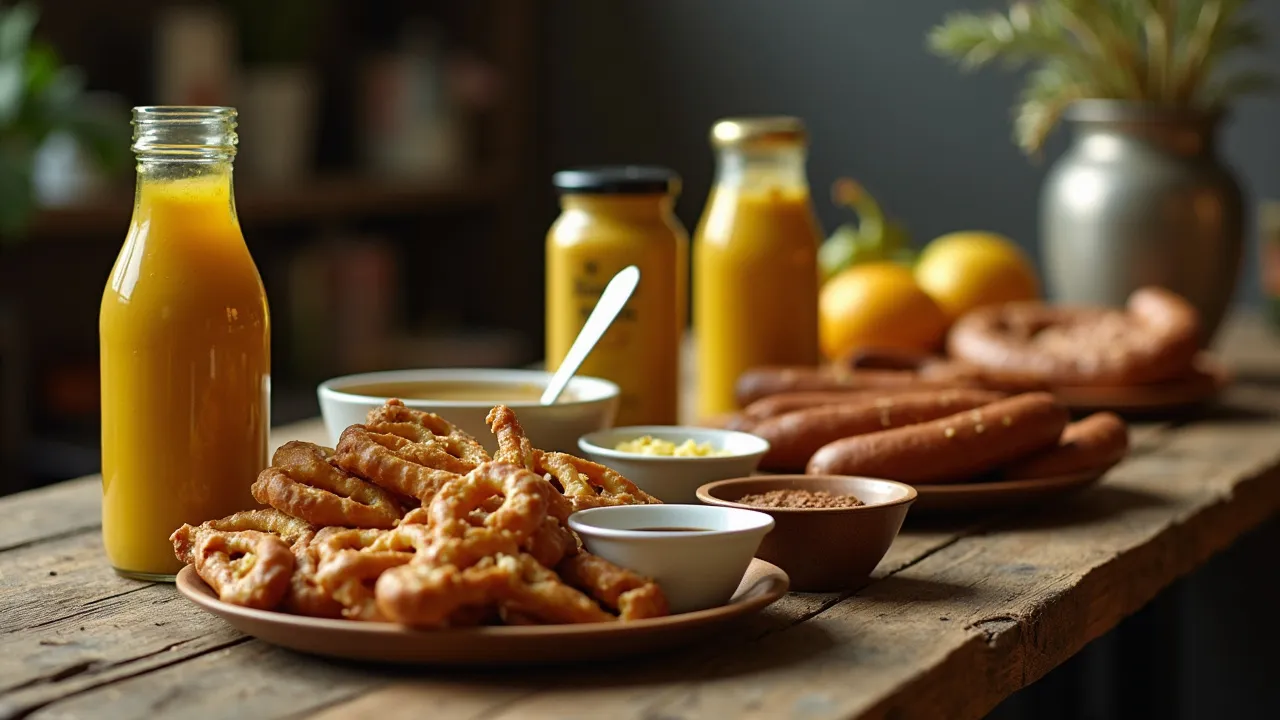
National Mustard Day, observed on the first Saturday of August (here designated August 1st), celebrates the beloved condiment with tastings, recipes, and festivals across the US and beyond. Learn its history, varieties, and how to join the fun.
The Historical Origins & Evolutionary Journey
National Mustard Day, celebrated on the first Saturday of August (here fixed to August 1st for this publication), traces its roots to Middleton, Wisconsin, home of the National Mustard Museum. The museum founded the day in 1991 to honor mustard's rich history and global appeal. However, the condiment itself dates back thousands of years.
The Foundational Catalyst
Mustard seeds have been used since ancient times. The Romans ground seeds to create a paste resembling modern mustard, while early Chinese civilizations used mustard seeds as a spice. The first recorded recipe for prepared mustard appears in a 1st-century Roman cookbook attributed to Apicius. Over centuries, mustard evolved from a medicinal remedy to a culinary staple.
The Legislative/Official Adoption
In 1991, the National Mustard Museum, driven by curator Barry Levenson, launched the first National Mustard Day with a small community event. The observance quickly garnered attention from mustard enthusiasts and manufacturers. By the 2000s, it became an officially recognized day on many event calendars, celebrated with festivals, tastings, and special promotions.
Modern Global Legacy
Today, National Mustard Day is marked across the United States and internationally. The museum hosts an annual festival featuring hundreds of mustard varieties, live music, and the crowning of a Mustard King or Queen. Social media campaigns like #NationalMustardDay engage millions, sharing recipes, trivia, and mustard-themed art. The day also highlights the economic and cultural significance of the global mustard industry.
How to Celebrate National Mustard Day (First Saturday)
Whether you are a mustard aficionado or a casual fan, National Mustard Day offers countless ways to participate. Below are actionable strategies for individuals, schools, and organizations.
For Individuals and Families
- Host a mustard tasting party: sample different varieties from yellow to Dijon to spicy brown. Pair with pretzels, sausages, or cheeses.
- Cook a mustard-themed meal: try honey mustard chicken, mustard-crusted salmon, or classic hot dogs with various mustards.
- Visit a local mustard festival or the National Mustard Museum in Middleton, Wisconsin.
- Share your favorite mustard recipe on social media using #NationalMustardDay.
For Schools and Educational Groups
- Organize a mustard seed planting activity to teach botany and agriculture.
- Hold a classroom debate on the best mustard type or the role of condiments in culture.
- Create a mustard history timeline project combining culinary, economic, and social studies.
For Businesses and Organizations
- Offer mustard-related discounts or limited-edition flavors.
- Collaborate with local restaurants for a mustard-themed menu item.
- Run a social media contest for the most creative mustard usage.
Internationally, traditions vary. In Germany, mustard is a staple for bratwurst, and celebrations may include beer and sausage pairings. In France, Dijon mustard reigns, and tastings emphasize terroir. In India, mustard oil is used in pickles and curries, and day events focus on regional mustard seed dishes.
The Global Mustard Industry: Production and Trade
The mustard industry is a multi-billion-dollar global sector. Canada leads the world in mustard seed production, followed by Nepal, Russia, and the United States. Mustard is grown for seeds, oil, and condiment preparation.
Key Producing Regions
- Canada: Saskatchewan produces over 80% of Canadian mustard, with yellow, brown, and oriental varieties.
- Nepal: Mustard is a vital oilseed crop used in cooking.
- India: A major producer of mustard oil, used in traditional Ayurveda and cuisine.
- Europe: France and Germany are known for Dijon and Bavarian mustards respectively.
Trade and Economics
Mustard seeds are traded on commodity markets. The condiment market sees steady growth driven by gourmet trends and global cuisine fusion. National Mustard Day boosts seasonal sales and brand engagement. Small-batch artisanal producers have seen increased visibility through day-related promotions.
Health and Nutritional Benefits of Mustard
Mustard is more than a flavor enhancer; it offers several health benefits.
Nutritional Profile
Mustard seeds are rich in selenium, magnesium, and omega-3 fatty acids. Prepared mustard is low in calories and contains antioxidants.
Potential Health Benefits
- Anti-inflammatory properties due to selenium and glucosinolates.
- May aid digestion by stimulating saliva and gastric juices.
- Contains compounds that may help lower cholesterol and blood sugar.
- Topical mustard paste can relieve muscle pain when used as a poultice.
Precautions
Excessive consumption can cause irritation; those with mustard allergies should avoid it. Otherwise, moderate use is safe for most.
Mustard Varieties Around the World
From mild yellow to fiery hot, mustard comes in countless forms.
Common Types
- Yellow Mustard: Mild, made from white mustard seeds, turmeric, and vinegar. American classic.
- Dijon Mustard: Tangy, made from brown or black seeds with verjuice or white wine. French origin.
- Spicy Brown Mustard: Coarser, using brown seeds, popular in delis.
- Honey Mustard: Sweetened with honey.
- Whole Grain Mustard: Crushed seeds, coarse texture.
- German Mustard: Often sweet-hot, with Bavarian and Düsseldorf varieties.
Regional Specialties
England offers Colman's mustard, famously hot. In China, hot mustard accompanies dim sum. In Italy, mostarda is a candied fruit and mustard oil compote. In Japan, karashi is a hot mustard used in tonkatsu.
The Cultural Impact of Mustard in Food and Art
Mustard has permeated culture beyond the kitchen.
In Pop Culture
Mustard is referenced in songs, movies, and literature. The phrase "cut the mustard" dates to the 19th century, meaning to meet expectations. Mustard yellow is a recognized color.
Art and Design
Mustard jars have become collectibles; vintage containers are displayed in museums. The National Mustard Museum houses over 6,000 mustards from 50 states and 60 countries.
Social Media and Trends
National Mustard Day is trending on platforms, with influencers creating mustard challenges. The day encourages culinary creativity and community bonding.
Historical Timeline
Earliest known written recipe for prepared mustard appears in the Roman cookbook by Apicius.
The first mustard factory in the United States is established in Philadelphia.
Yellow mustard is introduced at the St. Louis World's Fair, becoming a hot dog staple.
The National Mustard Museum in Middleton, Wisconsin, founds National Mustard Day on the first Saturday of August.
The museum hosts the first Mustard Day festival with hundreds of attendees.
National Mustard Day goes virtual with online tastings and digital events due to the pandemic.
Mustard Day is celebrated globally with events in North America, Europe, and Asia.