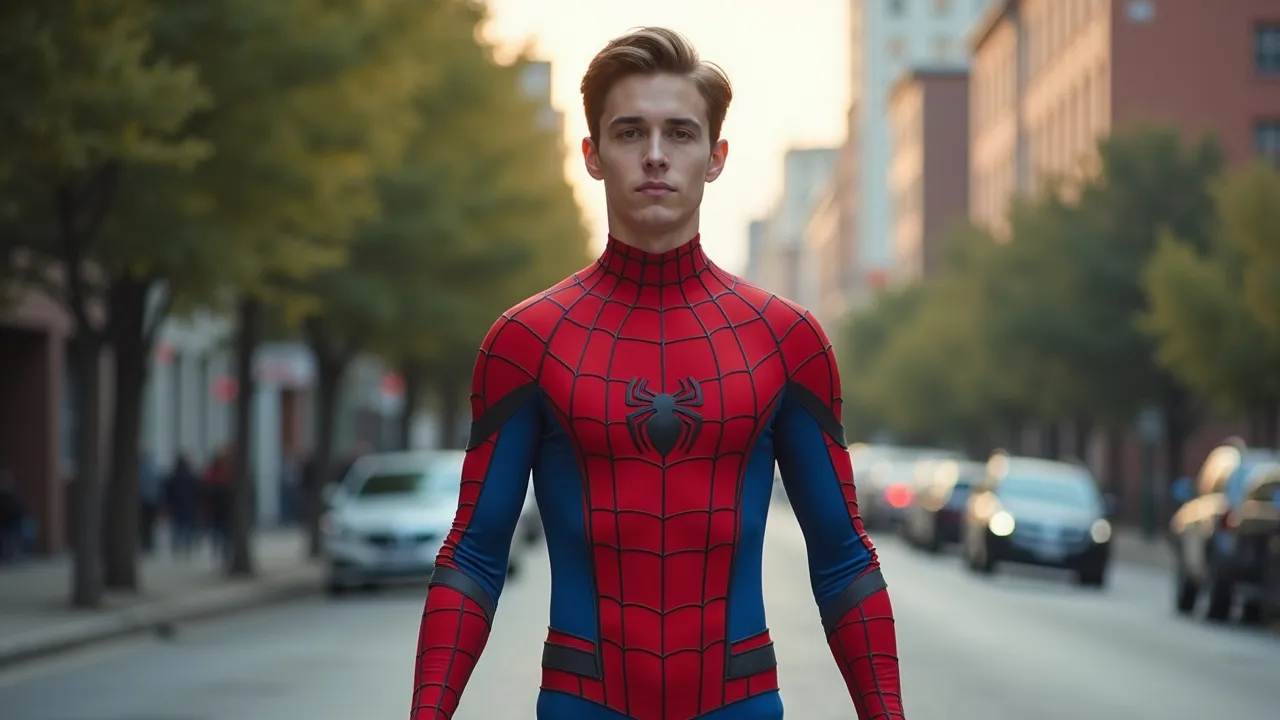
Spider-Man Day is celebrated on August 1st to honor the iconic Marvel superhero's debut in Amazing Fantasy #15 in 1962. Fans worldwide commemorate the web-slinger's cultural impact and heroic legacy.
The Historical Origins & Evolutionary Journey
Spider-Man Day, observed annually on August 1st, celebrates the debut of one of the most beloved superheroes in comic book history. The observance has grown from a niche fan event into a global phenomenon, recognized by Marvel Comics and millions of enthusiasts worldwide.
The Foundational Catalyst
Spider-Man first appeared in Amazing Fantasy #15 (cover date August 1962), created by writer-editor Stan Lee and writer-artist Steve Ditko. The character broke new ground as a teenage superhero burdened with real-world problems, resonating deeply with readers. The exact release date was June 5, 1962, but fans chose August 1st as the official celebration day to honor the cover date.
The Legislative/Official Adoption
Spider-Man Day was not established by any government but gained traction through fan communities and social media in the early 2010s. Marvel Comics officially recognized the day in 2013, issuing celebratory content and promotions. Each year, Marvel releases exclusive merchandise, digital comics, and hosts events to mark the occasion.
Modern Global Legacy
Today, Spider-Man Day transcends comics, encompassing movies, TV shows, video games, and cosplay. The character's enduring popularity is reflected in record-breaking box office returns and a vast array of media adaptations. The day serves as a reminder of Spider-Man's core message: “With great power comes great responsibility.”
How to Celebrate Spider-Man Day
Spider-Man Day offers countless ways for fans of all ages to participate. From solo activities to community events, here is the ultimate guide to celebrating the web-slinger.
Individual Celebrations
- Read Classic Comics: Dive into the original Amazing Fantasy #15 or iconic storylines like “The Night Gwen Stacy Died.”
- Watch the Films: Have a movie marathon featuring Tobey Maguire, Andrew Garfield, or Tom Holland’s Spider-Man films.
- Cosplay: Dress up as Spider-Man or a variant like Spider-Gwen or Miles Morales and share photos online.
School and Community Events
- Spider-Man Trivia Contest: Organize quizzes on Spider-Man lore, villains, and creators.
- Comic Book Swap: Host a community exchange of Spider-Man comics and collectibles.
- Charity Web-Shoot: Encourage donations to causes Spider-Man supports, such as science education or youth mentoring.
Global Traditions
In the United States, fans often visit comic shops for special releases. In Japan, cosplay parades feature Spider-Man alongside other heroes. In the UK, midnight screenings of Spider-Man films draw large crowds. Across social media, the hashtag #SpiderManDay trends with fan art and stories.
The Cultural Impact of Spider-Man
Spider-Man’s influence extends far beyond comics. The character has become a symbol of resilience, responsibility, and the everyday hero. Here’s how.
Representation and Diversity
Spider-Man was among the first superheroes to address teenage angst and financial struggles. Later iterations, like Miles Morales (2011) and Spider-Gwen (2014), expanded representation for minority and female audiences.
Spider-Man in Media
- Television: From the 1967 cartoon to Spider-Man: Into the Spider-Verse (2018), award-winning storytelling has globalized the mythos.
- Video Games: The 2018 Marvel’s Spider-Man for PlayStation set sales records and critical acclaim, with a sequel in 2023.
Merchandising and Economics
Spider-Man merchandise generates billions annually. The character is the most licensed superhero, appearing on clothing, toys, and home goods worldwide.
Key Themes in Spider-Man Stories
Spider-Man narratives consistently explore themes that resonate universally.
Responsibility and Sacrifice
Uncle Ben’s death teaches Peter Parker that power must serve others. This maxim drives every story arc and is frequently quoted in popular culture.
Identity and Dual Life
Balancing a secret identity with personal relationships is a recurring struggle. Peter’s attempts to hide his alter ego lead to complex drama and relatable conflicts.
Perseverance Against All Odds
Spider-Man often loses battles but never his will to fight. This resilience inspires fans facing their own challenges.
Spider-Man’s Rogue’s Gallery and Villains
Spider-Man’s villains are among the most memorable in comics, each reflecting different social issues or psychological struggles.
- Green Goblin: Norman Osborn embodies corporate corruption and personal vendetta.
- Doctor Octopus: A cautionary tale about unchecked ambition and technology.
- Venom: Represents the dark side of power and the loss of control.
- The Kingpin: Organized crime and its impact on the urban landscape.
Sympathetic Villains
Many foes, like the Sandman and the Lizard, were created by accidents or scientific mishaps, blurring the line between hero and villain. This nuance adds depth to Spider-Man’s conflicts.
Spider-Man in Education and Philanthropy
Spider-Man’s emphasis on science and ethics has inspired educational programs and charitable initiatives.
STEM Outreach
Marvel and partners have used Spider-Man to promote science, technology, engineering, and math (STEM) education. Programs like “Spider-Man Science” bring comic book physics into classrooms.
Charitable Foundations
The “Spider-Man Fund” supports children’s hospitals and cancer research. The character’s philanthropic image encourages fans to volunteer and donate.
Moral Lessons in School
Teachers often use Spider-Man stories to discuss ethics, bullying, and social responsibility. The character’s relatable struggles make complex topics accessible.
Historical Timeline
Spider-Man debuts in Amazing Fantasy #15, created by Stan Lee and Steve Ditko. The issue sells well, leading to an ongoing series.
The Amazing Spider-Man #1 launches, establishing Peter Parker's supporting cast and rogues' gallery.
The death of Gwen Stacy (The Amazing Spider-Man #121-122) becomes a landmark moment in comics, marking the end of the Silver Age.
Sam Raimi’s Spider-Man film starring Tobey Maguire becomes a box office hit, revitalizing the superhero genre.
Miles Morales debuts in Ultimate Fallout #4, introducing a biracial Spider-Man for a new generation.
Marvel officially recognizes August 1st as Spider-Man Day, encouraging fan celebrations and releasing exclusive content.
Marvel’s Spider-Man video game for PlayStation 4 receives critical acclaim, selling over 20 million copies.
Spider-Man: Across the Spider-Verse premieres, expanding the multiverse narrative and winning an Academy Award.