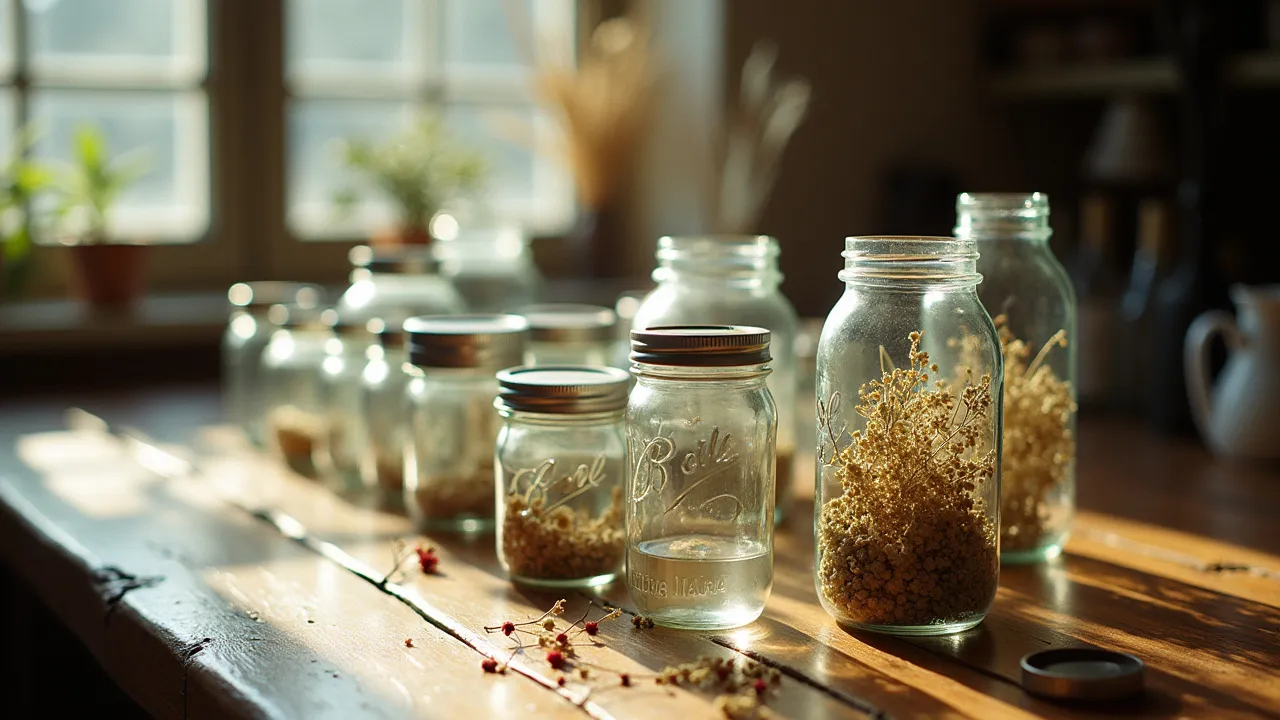
National Mason Jar Day on November 30th celebrates the timeless glass jar invented by John Landis Mason. Discover its rich history, versatile uses, and global impact on food preservation and modern culture.
The Historical Origins & Evolutionary Journey
National Mason Jar Day, observed annually on November 30th, pays homage to one of the most iconic and enduring inventions in American history: the Mason jar. Named after its inventor, John Landis Mason, who received a patent for his groundbreaking design on November 30, 1858, this day celebrates not just a container but a revolution in food preservation, home economics, and cultural aesthetics.
The Foundational Catalyst
John Landis Mason, a tinsmith and inventor from New Jersey, recognized a critical need in the mid-19th century: households lacked a reliable method to preserve perishable foods without spoilage. Before his innovation, glass jars existed, but they lacked an airtight seal. Mason's genius lay in his two-part system: a threaded glass neck and a zinc screw cap with a rubber gasket. This design created a vacuum seal when hot-packed, drastically reducing food waste and allowing families to enjoy summer produce year-round. The patent, US Patent No. 22,186, was granted on November 30, 1858—the same date chosen for the national day of recognition.
The Legislative/Official Adoption
Though National Mason Jar Day is not a federally recognized holiday in the United States, it has been adopted by museums, historical societies, and DIY communities as an unofficial observance. The day gained traction through social media campaigns, particularly among canning enthusiasts, crafters, and sustainability advocates. Many historical sites, such as the John Landis Mason Museum in New Jersey, host special events. In 2013, the National Day Calendar officially listed November 30th as National Mason Jar Day, helping to standardize the date.
Modern Global Legacy
Today, Mason jars transcend their utilitarian origins. They are used for everything from fermenting kimchi to serving cocktails. The rise of the "farm-to-table" movement and the resurgence of home canning during the COVID-19 pandemic underscore their enduring relevance. Countries like Canada, Australia, and the United Kingdom also celebrate the day, often adapting traditions to local cuisines. The Mason jar has become a symbol of self-sufficiency, creativity, and sustainable living.
How to Celebrate National Mason Jar Day
Whether you're a seasoned canner or a novice crafter, National Mason Jar Day offers endless opportunities to engage with this versatile object. Below are actionable ways to honor the day, from preserving food to upcycling.
For Individuals and Families
- Start a Canning Project: Try your hand at water-bath canning with seasonal produce like applesauce or pickles. Follow tested recipes from the USDA or Ball Blue Book for safety.
- Craft a Mason Jar Centerpiece: Fill jars with sand, candles, or wildflowers for a rustic table decoration.
- Host a Mason Jar Meal: Serve layered salads, overnight oats, or single-serve desserts in jars for a fun, Instagram-worthy dining experience.
- Upcycle into Storage: Use jars to organize buttons, screws, spices, or even as a DIY soap dispenser.
For Schools and Organizations
- History Lesson: Teach students about the Industrial Revolution and the science of food preservation. Demonstrate how a vacuum seal works.
- Canning Workshop: Partner with a local extension office to host a hands-on canning workshop.
- Art Contest: Challenge participants to decorate jars or create sculptures using discarded jars.
- Food Drive: Collect canned goods but also ask for empty clean jars that can be donated to community kitchens.
Global Traditions
- United States: Many towns hold farmers' market events with canning demonstrations. In Ohio, the "Mason Jar Festival" features live music and jar art.
- Canada: Maple syrup is often canned in Mason jars, and the day is used to promote local maple producers.
- United Kingdom: The day is celebrated with "Pickle Parties," where participants prepare chutneys and pickled vegetables together.
- Australia: Given the warm climate, the focus is on fermenting fruits like lemons and mangoes in Mason jars.
Corporate and Social Rituals
Restaurants and bars often feature special Mason jar cocktails or salads. Brands like Ball Corporation run social media contests encouraging users to share their jar creations. Many companies also use the day to launch sustainability initiatives, such as replacing plastic packaging with reusable jars.
The Science Behind the Seal: Why Mason Jars Work
The enduring success of the Mason jar lies in its simple yet effective engineering. Understanding the science can deepen appreciation for the invention.
The Vacuum Seal Mechanism
When hot food is packed into a jar and the lid is screwed on, the air inside cools and contracts, creating a vacuum. The rubber gasket on the zinc or modern two-piece lid ensures an airtight barrier. This vacuum prevents microorganisms and oxygen from spoiling the food. The "pop" sound when opening a sealed jar indicates that the vacuum has held.
Evolution of Lids
Original Mason jars used a zinc cap with a separate rubber ring. In the early 20th century, the two-piece lid (a flat disc and a screw band) was introduced by the Ball Corporation, offering a more reliable seal. Today, modern Mason jars often have a plastic or glass lid insert, but the principle remains the same.
Safety Considerations
While Mason jars are durable, they are not safe for all uses. They can break under thermal shock if placed directly on a hot stove, and they are not tempered for pressure canning of low-acid foods unless specifically designed for it. Always use jars that are free of cracks and follow current USDA guidelines.
Cultural Impact: From Pantry to Pop Culture
The Mason jar has transcended its functional role to become a cultural icon. Its impact spans literature, film, and everyday life.
In Literature and Film
Mason jars frequently appear in American literature as symbols of rural life and self-reliance. In Laura Ingalls Wilder's Little House series, canning food is a crucial survival skill. In movies like The Martian, a Mason jar is used as a crucible for growing potatoes on Mars. The jar's simple silhouette is instantly recognizable and evokes nostalgia.
In Home Decor and DIY
Since the 2010s, Mason jars have become a staple in rustic and farmhouse decor. Pinterest boards overflow with ideas for jar chandeliers, soap dispensers, and even wedding centerpieces. The trend reflects a broader desire for authenticity and sustainability.
As a Symbol of Resilience
During the Great Depression, Mason jars helped families preserve food during hard times. In the 21st century, they are again seen as tools of resilience: during the COVID-19 pandemic, many turned to home canning as a way to cope with supply chain disruptions. The jar represents self-sufficiency and a connection to the land.
Environmental and Economic Significance
National Mason Jar Day also promotes environmental consciousness. The jars are reusable, recyclable, and reduce reliance on single-use plastics.
Reducing Food Waste
According to the USDA, Americans waste up to 40% of food annually. Home canning using Mason jars directly reduces waste by preserving surplus harvests. A single jar of tomatoes can be stored for years, saving money and resources.
Economic Benefits for Communities
Canning encourages local food systems. Small farmers sell directly to consumers, who then preserve the produce. This reduces transportation emissions and supports local economies. The Ball Corporation, a major manufacturer of Mason jars, employs thousands and is a model of sustainable manufacturing.
Plastic Reduction
Using Mason jars for bulk goods, beverages, and leftovers cuts down on plastic waste. A reusable glass jar can replace hundreds of disposable containers over its lifetime. Observing the day can be a pledge to choose glass over plastic.
Innovations and Future Directions
The Mason jar continues to evolve. New materials and designs are expanding its utility while honoring the original.
Mason Jar Alternatives
Other companies have created similar jars, such as the Atlas jar or the Weck jar (with a glass lid and rubber ring). In Europe, French Le Parfait jars are popular. Each has its own seal mechanism but follows Mason's core principle.
High-Tech Mason Jars
Smart jars with sensors that monitor pH levels or oxygen content are being prototyped for advanced fermenting. Some companies produce jars with UV-filtering glass to preserve light-sensitive foods.
The Role in Sustainable Development Goals
Mason jars contribute to UN SDG 12 (Responsible Consumption and Production) by promoting durable packaging and reducing waste. They also support SDG 2 (Zero Hunger) by enabling food preservation. The future of National Mason Jar Day may involve partnerships with NGOs to promote canning education in developing nations.
Historical Timeline
John Landis Mason receives US Patent No. 22,186 for the 'Improvement in Screw-Neck Bottles'—the first design for an airtight glass jar with a screwable zinc cap and rubber gasket, later known as the Mason jar.
The Ball Corporation begins manufacturing glass jars, eventually becoming the largest producer of Mason jars. Their famous 'Ball Blue Book' guide is first published in 1909.
The first two-piece lid system (flat cap and screw band) is patented, offering a more reliable seal than the original zinc cap.
During WWII, home canning surges as families supplement rations. The Mason jar becomes a symbol of patriotism and self-sufficiency.
With the rise of frozen foods, home canning declines. Mason jar production slows, but the jars remain iconic in rural areas.
The modern farm-to-table movement and economic recession revive interest in canning. Sales of Mason jars increase by 20% year-over-year.
Mason jars become a viral trend on Pinterest and blogs, used for crafts, drinks, and decor. The term 'Mason jar' sees a 300% search increase.
November 30th is officially listed as National Mason Jar Day on the National Day Calendar, cementing the annual celebration.
During the COVID-19 pandemic, DIY canning experiences a massive resurgence. Mason jars become a household staple for emergency food storage.