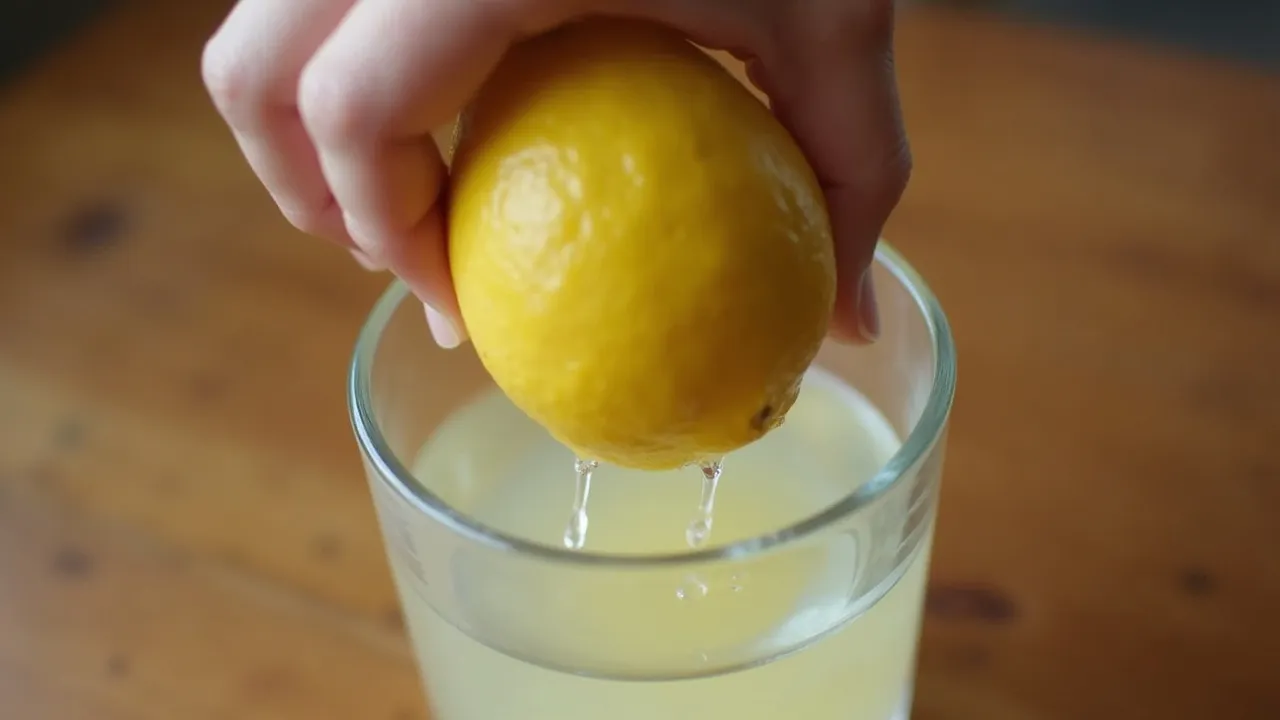
National Lemon Juice Day on August 29th celebrates the bright, tangy juice of lemons used in cooking, beverages, and health remedies. Discover its history, health benefits, and global traditions.
The Historical Origins & Evolutionary Journey
National Lemon Juice Day, observed annually on August 29th, honors the versatile and zesty liquid extracted from lemons. While the exact origins of this food holiday are somewhat obscure, it is widely attributed to the marketing efforts of citrus industry leaders like Sunkist Growers, Inc., which sought to promote lemon consumption during the late summer harvest. The day gained traction in the early 2000s through social media campaigns and food bloggers, eventually earning a spot on the National Day Calendar.
The Foundational Catalyst
Lemons (Citrus limon) have been cultivated for centuries, with early records tracing back to Northeast India, northern Burma, and China. The use of lemon juice as a culinary and medicinal ingredient spread through the Middle East and Europe via trade routes. By the 18th century, British naval surgeon James Lind demonstrated that citrus juice could prevent scurvy, cementing lemon juice's role in global health. This historical significance laid the groundwork for a dedicated celebration.
The Legislative/Official Adoption
Unlike some official holidays, National Lemon Juice Day was not enacted by government decree. Instead, it emerged organically from grassroots celebration. In 2006, Sunkist Growers reportedly registered the date with the National Day Calendar, encouraging restaurants and home cooks to feature lemon juice recipes. The day has since been embraced by food manufacturers, juice brands, and wellness communities.
Modern Global Legacy
Today, National Lemon Juice Day is recognized across the United States and beyond. It serves as a reminder of lemon juice's culinary versatility, from marinades and salad dressings to cocktails and desserts. The day also highlights the economic importance of citrus farming, particularly in Florida, California, and Arizona. Social media platforms amplify the celebration with hashtags like #NationalLemonJuiceDay, sharing recipes, health tips, and DIY citrus crafts.
How to Celebrate National Lemon Juice Day
National Lemon Juice Day offers countless ways to honor this tangy ingredient, from personal rituals to community events. Below are actionable celebration strategies for individuals, schools, and organizations.
For Individuals at Home
- Start your morning: Squeeze fresh lemon juice into warm water for a detoxifying drink.
- Cook a lemon-themed meal: Prepare lemon chicken, lemon pasta, or lemon bars.
- Create homemade lemonade: Mix fresh lemon juice with water, sugar, and ice; experiment with herbs like mint or basil.
- Preserve lemon juice: Freeze juice in ice cube trays for later use.
For Schools & Educational Settings
- Science experiment: Demonstrate acid-base reactions using lemon juice and baking soda.
- Cooking class: Teach students to make lemon vinaigrette or lemon sorbet.
- Art project: Use lemon juice as invisible ink; heat paper to reveal messages.
For Businesses & Organizations
- Host a lemonade stand: Donate proceeds to a local charity.
- Offer lemon-flavored specials: Restaurants can feature lemon-infused dishes or beverages.
- Social media challenge: Ask followers to share their best lemon juice recipes using a branded hashtag.
Global Variations in Celebration
While primarily a U.S. observance, countries like Italy and Mexico embrace lemon juice in their cuisines. In Italy, limoncello is a popular lemon liqueur made from lemon zest and juice, often enjoyed on festive days. In Mexico, lemon juice (limón) is a staple for tacos and ceviche, and families may celebrate by sharing citrus-based dishes. The day encourages cross-cultural appreciation of lemon juice's culinary roles worldwide.
Health Benefits of Lemon Juice
Lemon juice is revered not only for its flavor but also for its health-promoting properties. Packed with vitamin C, antioxidants, and citric acid, it offers numerous benefits when consumed in moderation.
Nutritional Profile
- Vitamin C: One lemon provides about 51% of the daily value, supporting immune function.
- Potassium: Helps regulate blood pressure.
- Flavonoids: Antioxidants that reduce inflammation.
Digestive Aid
The citric acid in lemon juice may stimulate stomach acid production, aiding digestion. Drinking warm lemon water in the morning is a common remedy for bloating and indigestion.
Skin Health
Topical application of lemon juice can lighten dark spots and exfoliate dead skin cells, but caution is needed due to photosensitivity. Diluted lemon juice is often used in DIY face masks.
Hydration and Weight Management
Adding lemon juice to water encourages hydration and may promote fullness, supporting weight loss efforts. Its low calorie content makes it a healthy alternative to sugary beverages.
Cautions
Excessive consumption can erode tooth enamel due to acidity. It's recommended to drink lemon juice diluted and rinse the mouth afterward. People with gastroesophageal reflux disease (GERD) may experience worsened symptoms.
Culinary Uses Around the World
Lemon juice is a cornerstone ingredient in global cuisines, adding acidity, brightness, and balance to a vast array of dishes.
Middle Eastern Cuisine
Lemon juice is essential in hummus, tabbouleh, and shawarma marinades. Preserved lemons are a specialty in Moroccan cooking, used in tagines and salads.
European Cuisine
In Greece, lemon juice is key for avgolemono soup and tzatziki. French cuisine uses it in sauces like hollandaise and beurre blanc. Lemon tarts and sorbets are classic desserts.
Asian Cuisine
In India, lemon juice is used in pickles and chutneys. Thai dishes like tom yum soup and papaya salad rely on lime juice (a close relative). Japanese chefs use lemon juice in ponzu sauce.
Americas
In the United States, lemon juice is ubiquitous in lemonade, pies, and marinades. Mexican cuisine uses it for ceviche, tacos, and micheladas. Brazilian lemonade (made with limes) is a refreshing staple.
Beverage Applications
Lemon juice is a foundational mixer for cocktails like lemon drop martinis, whiskey sours, and Mike's Hard Lemonade. Non-alcoholic options include lemonade, lemon iced tea, and lemon sparkling water.
Economic Impact of the Lemon Juice Industry
The lemon juice industry is a significant contributor to agricultural economies, particularly in the United States, Italy, Spain, and India.
Production Statistics
According to the USDA, the United States produced over 900,000 tons of lemons in 2022, with California and Arizona leading. A large portion goes to juice processing. The global lemon juice market was valued at approximately $2.5 billion in 2023, with a projected growth rate of 4.2% annually.
Processing and Distribution
Lemon juice is available fresh, bottled, concentrated, and frozen. Major brands include ReaLemon (Dr Pepper Snapple Group), Santa Cruz, and organic options from Lakewood. The juice is used by foodservice, retail, and industrial sectors.
Employment and Trade
Citrus farming supports thousands of jobs in harvesting, processing, and distribution. Export markets are vital for Mediterranean countries. Fluctuations in weather and disease (e.g., citrus greening) impact supply and prices.
Sustainability Efforts
Byproducts like lemon peels are used for pectin, essential oils, and animal feed. Some companies are adopting regenerative agriculture practices to reduce environmental impact.
Fun Facts and Trivia
- Lemon juice and electricity: A single lemon can power a low-voltage LED when connected to copper and zinc electrodes.
- World record: The largest lemonade stand was built in 2014 in Kansas City, Missouri, serving over 10,000 cups.
- Historical use: Ancient Egyptians used lemon juice in mummification as a preservative and fragrance.
- Lemon juice as a cleaning agent: Its acidity cuts through grease and stains, and it's a natural deodorizer.
- Misnomer: Many recipes call for 'lime juice' but lemons are more acidic; chefs often adjust based on availability.
- Vitamin C content: A single lemon provides over 70% of the daily recommended intake of vitamin C.
These tidbits highlight lemon juice's versatility beyond the kitchen, inspiring curiosity and appreciation.
Historical Timeline
British naval surgeon James Lind conducts experiments proving citrus juice prevents scurvy, leading to mandatory lemon juice rations on British ships.
Lemons are widely cultivated in California, and bottled lemon juice becomes commercially available, popularizing its use in households.
National Lemon Juice Day is first observed, promoted by Sunkist Growers to encourage lemon juice consumption during the late summer harvest.
Social media campaigns using #NationalLemonJuiceDay gain traction, with food bloggers and influencers sharing recipes and health tips.
The day is officially recognized by the National Day Calendar, increasing awareness and participation across the United States.
Global lemon juice market surpasses $2.5 billion, driven by demand for natural flavors and health-conscious beverages.