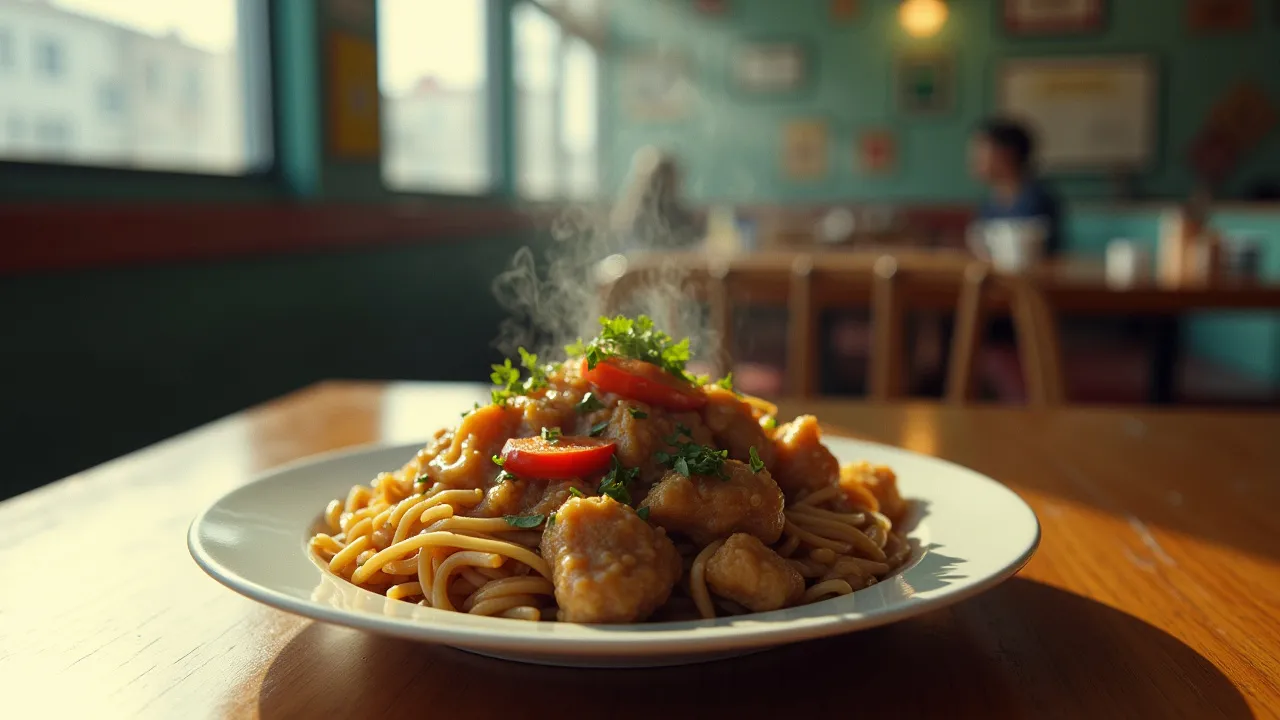
National Chop Suey Day on August 29th celebrates the iconic American-Chinese dish. Dive into its rich history, cultural fusion, and ways to enjoy this beloved comfort food.
The Historical Origins & Evolutionary Journey
National Chop Suey Day, observed annually on August 29th, honors a dish that epitomizes culinary fusion and American immigrant history. Chop suey, a stir-fried medley of meat, vegetables, and sauce served over rice, has a debated origin story that weaves together Chinese culinary traditions with American ingenuity.
The Foundational Catalyst
Chop suey (from Cantonese tsap seui, meaning "mixed odds and ends") likely emerged in China's Guangdong province as a peasant dish using leftover ingredients. However, its American incarnation took shape in the late 19th century. Popular legend credits Chinese immigrants in San Francisco or New York with creating the dish during the Gold Rush era to satisfy Western palates. For instance, a widely told—though unverified—story claims that a Chinese chef invented it for drunken miners who demanded something new, or that it was a hurried improvisation for visiting dignitaries. Regardless of its precise birth, chop suey became a staple of early Chinese-American restaurants, offering familiar textures and flavors for non-Asian patrons.
The Legislative/Official Adoption
Unlike some official observances, National Chop Suey Day has no formal legislative decree. It emerged organically through food culture, with cookbooks, restaurants, and media promoting the dish. By the early 20th century, chop suey had become so ingrained in American life that it even inspired songs, movies, and slang (like "chop suey" as a term for mishmash). The date August 29th likely gained traction through online food calendars and enthusiast celebrations, solidifying its place in the roster of unofficial food holidays.
Modern Global Legacy
Today, chop suey is enjoyed worldwide, though often adapted to local tastes. In the United States, it remains a nostalgic comfort food, often served in both Chinese-American diners and upscale fusion restaurants. Its legacy also includes influencing other hybrid dishes like American-style chow mein and chop suey sandwiches (a regional specialty in the Northeast). Despite its humble origins, chop suey has sparked academic discussions on cultural appropriation, authenticity, and the evolution of immigrant cuisines.
How to Celebrate National Chop Suey Day
Celebrating National Chop Suey Day is a delicious opportunity to explore history, culture, and culinary creativity. Whether you are a home cook, a restaurant-goer, or an educator, here are actionable ways to honor the day.
Best Practices & Traditions
- Cook authentic chop suey at home. Use traditional ingredients like bean sprouts, water chestnuts, bamboo shoots, and a savory sauce made from soy sauce, ginger, and garlic.
- Visit a local Chinese-American restaurant. Support small businesses by ordering their version of chop suey, and ask about their family recipes.
- Host a chop suey potluck. Invite friends to bring variations from different regions (e.g., American-style, Canadian-style, or Indian-Chinese versions like gobi manchurian).
- Learn about the history. Watch documentaries like The Search for General Tso or read books on Chinese-American cuisine.
- Share on social media. Use hashtags like #NationalChopSueyDay and #ChopSuey, posting photos and stories about your celebration.
Celebration Dynamics Across Cultures
- United States: Many Chinese restaurants offer specials or discounts on August 29th. Diners often recreate vintage recipes from the 1920s-1950s.
- Canada: Chop suey is popular in cities like Vancouver, where the version often includes more vegetables and less thick gravy.
- India: Indian-Chinese chop suey is a spicy, bold stir-fry with sauces like chili garlic and is often enjoyed as street food.
- Australia: Australian cookbooks feature "chop suey" as a versatile stir-fry with local produce, like carrots and capsicum.
- Schools & Organizations: Hold a cultural appreciation day where students learn about Chinese immigration history, then prepare a simple chop suey. Charity events can donate meal proceeds to organizations supporting immigrant communities.
Cultural Significance & Global Impact
Chop suey is more than a meal; it is a symbol of cultural adaptation and resilience. Its journey from a Chinese peasant staple to an American icon reflects broader themes of immigration, identity, and globalization.
Symbol of Fusion Cuisine
Chop suey represents the earliest examples of fusion cuisine in the United States. It catered to American tastes by using familiar proteins like chicken and beef, and avoiding strong flavors like fish sauce. This adaptation paved the way for other hybrid dishes, such as General Tso's chicken and crab rangoon. Today, culinary scholars debate whether chop suey is authentically Chinese or a wholly American invention—a testament to its hybrid nature.
Economic and Social Impact
The chop suey craze of the early 1900s boosted Chinese-American restaurant business, helping immigrant communities sustain livelihoods. It also introduced Americans to basic Chinese cooking techniques like stir-frying. However, the dish also faced criticism for being an inauthentic caricature, leading to discussions about cultural appropriation versus appreciation.
Global Variations
- American chop suey: Also known as "American goulash," a pasta-based dish unrelated to the Chinese original. This confusion highlights how the term "chop suey" evolved.
- Chop suey sandwich: A specialty in Massachusetts and Rhode Island, where chop suey is served on a hot dog bun with gravy.
- Hawaiian chop suey: Incorporates local ingredients like Spam and pineapple.
The Evolution of Chop Suey Recipes
From its humble beginnings to modern reinterpretations, chop suey recipes have undergone significant transformations.
Early American Recipes
Early cookbooks from the late 1800s, like Chinese Cookery by Wilma Lord Perkins, describe chop suey as a simple stir-fry of pork, celery, and onions, thickened with cornstarch. These recipes often omitted key Chinese ingredients like soy sauce due to availability, using Worcestershire sauce instead.
Mid-20th Century Trends
Post-WWII, chop suey became a convenience food thanks to canned versions like La Choy. Cooks added more vegetables (bean sprouts, bamboo shoots, water chestnuts) and MSG to enhance flavor. Recipe boxes from the 1950s show heavy use of soy sauce and sugar.
Contemporary Innovations
Modern chefs revive chop suey with a farm-to-table approach, using seasonal vegetables and organic meats. Some deconstruct the dish, serving the stir-fry over crispy rice noodles instead of steamed rice. There is also a trend toward "clean-eating" chop suey with gluten-free tamari and no MSG.
Regional Adaptations
- New England: The chop suey sandwich remains a regional specialty, often served with a side of fries.
- Southern United States: Some versions add Cajun seasoning or andouille sausage.
- West Coast: Lighter versions with more vegetables and less sauce, reflecting health-conscious trends.
Chop Suey in Popular Culture
Chop suey has left an indelible mark on American popular culture, appearing in music, film, and literature.
Music and Song
One of the most famous cultural references is the song "Chop Suey!" by System of a Down, which uses the dish's name metaphorically to describe a chaotic, mixed-up situation. Earlier, during the ragtime era, songs like "Chop Suey" (1910) by Arthur Collins celebrated the dish as a culinary adventure.
Film and Television
In classic movies, chop suey often appears as a symbol of exoticism or domestic comedy. For example, in The Apartment (1960), Jack Lemmon orders chop suey for a romantic evening. More recently, shows like The Simpsons and Friends have featured chop suey as a takeout staple.
Literature
Chop suey appears in works by authors like John Steinbeck and J.D. Salinger, often to evoke a sense of urban, multicultural life. In children's books, chop suey is sometimes used to teach about diverse cuisines.
Idioms and Slang
The term "chop suey" entered American slang meaning "a mixture of miscellaneous things" (e.g., "that movie is chop suey of genres"). This linguistic evolution underscores the dish's role as a cultural metaphor.
Myths and Misconceptions
Despite its popularity, chop suey is surrounded by myths and misconceptions that obscure its true history and nature.
The Invention Myth
Myth: Chop suey was invented in a San Francisco restaurant in the 1860s by a chef who threw together leftovers for drunken miners. Fact: While this story is charming, historical evidence suggests the dish existed earlier in China. The myth likely originated as a marketing tale to sell chop suey to curious Americans.
Authenticity Debate
Myth: Chop suey is not real Chinese food. Fact: It is a legitimate Chinese dish that evolved regionally. In China, similar stir-fries exist under different names, such as za sui (miscellany) in Cantonese cuisine. The American version is a distinct adaptation, just as authentic as any regional Chinese dish.
Nutritional Misconceptions
Many believe chop suey is unhealthy because of its thick sauce and fried elements. However, when prepared with lean protein and plenty of vegetables, it can be a balanced, nutritious meal. The key is controlling sodium and oil.
Common Errors in Recipes
- Overcooking vegetables: The vegetables should remain crisp-tender.
- Using too much cornstarch: The sauce should lightly coat ingredients, not be gloopy.
- Skipping aromatics: Ginger and garlic are essential for depth of flavor.
Historical Timeline
Chop suey gains popularity in the United States, especially in San Francisco and New York, as Chinese immigrants adapt their cooking for American tastes.
The first known recipe for chop suey appears in a cookbook, 'Chinese Cookery' by Wilma Lord Perkins, featuring a simple pork and celery stir-fry.
Chop suey becomes a nationwide craze, with 'chop suey houses' opening across the country and the dish appearing in songs and films.
Canned chop suey (e.g., by La Choy) popularizes the dish as a convenient home meal, especially during wartime rationing.
Chop suey remains a staple of Chinese-American restaurants; variations like the chop suey sandwich emerge in New England.
System of a Down releases 'Chop Suey!' in 2001, bringing the dish's name to a new generation and sparking renewed cultural interest.
Food historians and chefs revisit chop suey as a symbol of food fusion, leading to articles and documentaries like 'The Search for General Tso'.
National Chop Suey Day is celebrated annually by food enthusiasts, restaurants offering specials, and social media promotions.