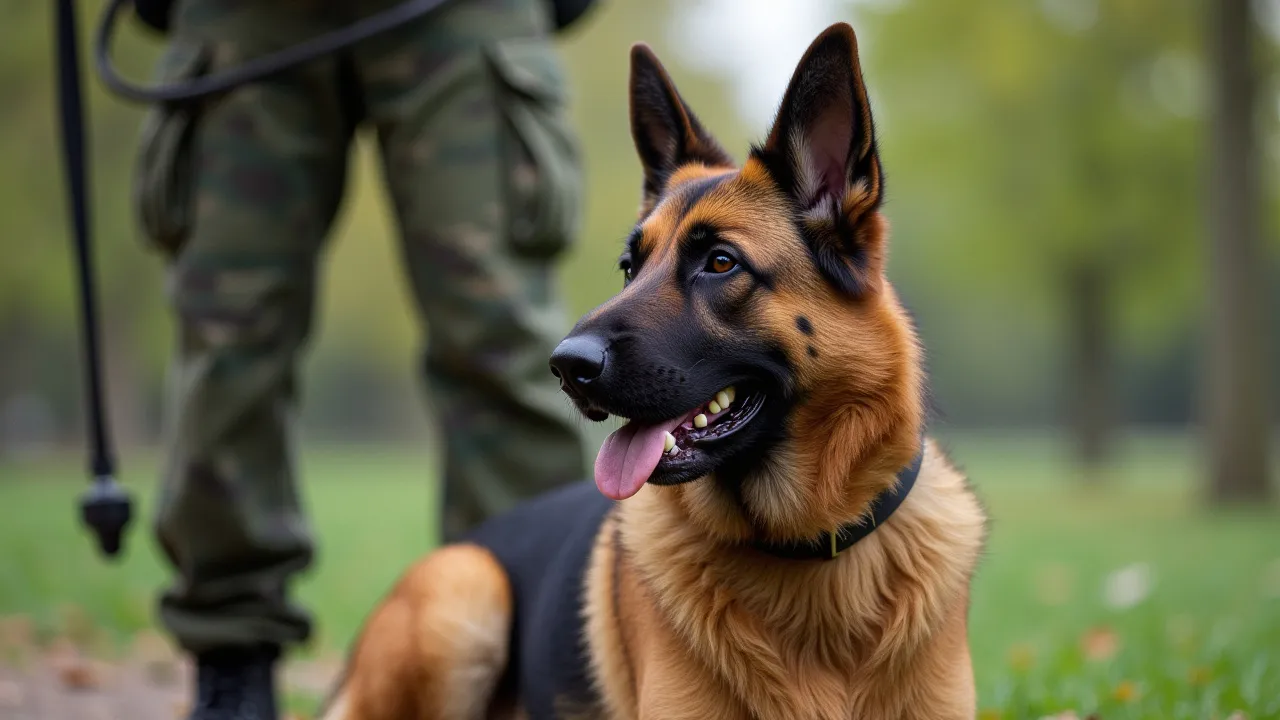
National K9 Veterans Day on March 13th honors the brave military and working dogs that have served alongside their human counterparts. Learn about their history, roles, and how to celebrate these four-legged heroes.
The Historical Origins & Evolutionary Journey
National K9 Veterans Day, observed annually on March 13th, is a day dedicated to honoring the service and sacrifices of military and working dogs throughout American history. This observance was founded by Joseph White, a former Marine and K9 handler, to ensure that these loyal animals receive the recognition they deserve. The date March 13th was chosen specifically because it marks the official birthday of the U.S. Army K9 Corps, established in 1942.
The Foundational Catalyst
The roots of military working dogs trace back to World War I, where dogs served as messengers, sentries, and mascots. However, it was not until World War II that the U.S. military formally organized a canine program. After the attack on Pearl Harbor, the Army Quartermaster Corps launched the K9 Corps, recruiting dogs from civilian families. Breeds like German Shepherds, Doberman Pinschers, and Belgian Malinois were trained for sentry duty, patrol, and scout missions. More than 10,000 dogs served in WWII, saving countless lives by detecting enemies and alerting troops.
The Legislative/Official Adoption
Despite their valor, military dogs were long considered equipment after service, often left behind or euthanized. Public outcry led to the Robby's Law in 2000, allowing adoption of retired military dogs. National K9 Veterans Day was first celebrated in 2009 through grassroots efforts, and while not yet a federal holiday, it has been recognized by several states and the Department of Defense. In 2015, the National Defense Authorization Act further ensured the safe transport of retiring military dogs to adoption facilities.
Modern Global Legacy
Today, military working dogs are deployed worldwide in combat zones, detection roles, and ceremonial duties. Their contributions in the War on Terror, especially in Iraq and Afghanistan, have elevated their status as war heroes. Veterans' organizations and K9 advocacy groups continue to push for broader recognition, including a national monument in Washington, D.C. The legacy of K9 veterans is celebrated through memorial ceremonies, dedications, and the annual observance on March 13th.
How to Celebrate National K9 Veterans Day
National K9 Veterans Day offers a unique opportunity to honor the service of military and working dogs. Whether you are an individual, part of a school, or a corporate entity, there are numerous ways to participate. Below are specific actionable strategies:
For Individuals
- Learn and Share: Read about the history of military dogs and share stories on social media using the hashtag #K9VeteransDay.
- Donate: Contribute to organizations that support retired military dogs, such as the Military Working Dog Foundation or Save a Vet.
- Visit a Memorial: Pay respects at the National War Dog Cemetery or local monuments.
- Adopt or Foster: Consider adopting a retired military working dog through programs like the Department of Defense's adoption program.
For Schools
- Educational Assembly: Host a presentation about the roles of K9 veterans, including a Q&A with a local handler if possible.
- Art Contest: Encourage students to create artwork or write essays on the theme "Our Four-Legged Heroes."
- Fundraiser: Organize a bake sale or walk-a-thon to raise money for K9 charities.
- Book Reading: Read children's books like "Sergeant Reckless" or "Dogs of War" that highlight military dogs.
For Organizations
- Volunteer Day: Coordinate a group volunteer day at a K9 training facility or a retirement home for working dogs.
- Sponsor a Dog: Partner with a charity to sponsor the care of a retired military dog.
- Social Media Campaign: Create a campaign thanking K9 veterans and their handlers.
- Recognition Ceremony: Host an event to honor local K9 units and their human partners.
Internationally, countries like the UK and Australia have similar observances, often focusing on the role of dogs in the military and police. In the UK, National Service Dog Day is celebrated in June, while Australia honors its war dogs on February 24th. Regardless of the date, the spirit of gratitude is universal.
The Roles of K9 Veterans: From Battlefield to Home Front
Military working dogs have served in a variety of capacities, each requiring specialized training and skills. These roles have evolved over time, but the core mission remains the same: to protect and serve alongside human personnel.
Combat Roles
- Scout Dogs: Used to detect enemy positions and ambushes, often leading patrols in dense terrain.
- Sentinel Dogs: Guarding installations, equipment, and personnel from intruders.
- Mine Detection Dogs: Trained to sniff out explosives and landmines, saving lives in war zones.
Support Roles
- Search and Rescue: Locating trapped survivors after natural disasters or combat incidents.
- Casualty Dogs: Providing comfort to wounded soldiers and civilians in field hospitals.
- Detection Dogs: Specializing in narcotics, explosives, or contraband at checkpoints and ports.
Ceremonial and Therapy Roles
After service, many dogs transition to therapy work in VA hospitals or schools, helping veterans cope with PTSD and physical injuries. Their presence often brings a sense of calm and routine. The adaptability of these dogs is a testament to their intelligence and loyalty.
The Bond Between Handlers and K9 Partners
The relationship between a military handler and their dog is one of deep trust and mutual dependence. These partnerships are forged in intense training and often last for the dog's entire service life. Handlers say that the bond is unlike any other; the dog becomes an extension of the handler's senses and an unwavering companion.
Many handlers report that their dogs understand commands, anticipate danger, and provide emotional support in high-stress environments. When a dog retires, handlers often face the difficult decision of whether to adopt their partner or let the dog transition to a new home. Stories of handlers fighting to adopt their dogs are common, highlighting the profound connection.
Organizations like the U.S. War Dogs Association work to preserve this bond by facilitating reunions and providing resources for post-service care. The legacy of these bonds is celebrated in memoirs, documentaries, and annual events like the K9 Veterans Day parade in San Antonio.
The Evolution of Military Working Dog Programs
From the first K9 Corps in 1942 to today's state-of-the-art training facilities, the U.S. military's working dog program has undergone significant evolution. Initially, dogs were sourced from donations and trained in basic obedience and sentry duties. Today, the program is highly specialized, with dogs bred and selected for specific traits.
Training Advancements
Modern training incorporates positive reinforcement techniques, advanced detection simulations, and even virtual reality scenarios. Dogs are now valued assets, often protected with ballistic vests and GPS trackers. The average cost to train a military working dog can exceed $20,000, reflecting the investment in these elite animals.
Policy Changes
Legislation like the Canine Members of the Armed Forces Act (2015) has improved the care and adoption process for retired dogs. The Department of Defense now mandates that retiring dogs be made available for adoption, a stark contrast to the post-WWII era when they were often euthanized. This shift underscores a growing recognition of the dogs' contributions and welfare.
Internationally, countries like the UK, Canada, and Australia have similar programs, often collaborating with the U.S. on training and deployment. The global standardization of K9 operations has enhanced interoperability in multinational missions.
Advocacy and Support for Retired K9 Veterans
Despite their heroic service, retired military working dogs face unique challenges. Many suffer from health issues related to their service, such as hip dysplasia, hearing loss, or PTSD. Advocacy groups have emerged to ensure these dogs receive the care and respect they deserve.
Key Organizations
- Mission K9 Rescue: Provides medical care and adoption services for retired military and contract working dogs.
- U.S. War Dogs Association: Educates the public and supports K9 teams through memorials and scholarships.
- The K9s for Warriors: Trains service dogs for veterans with PTSD, often using rescue dogs.
How to Help
Individuals can support these organizations through donations, volunteering, or fostering dogs in transition. Raising awareness about the challenges retired K9s face is also crucial. Many retired dogs are placed in loving homes, but the cost of veterinary care can be prohibitive. Sponsorship programs allow donors to cover specific expenses, such as surgeries or medications.
On National K9 Veterans Day, many of these organizations hold fundraisers and awareness campaigns. Participating in these events is a tangible way to give back to the four-legged heroes who have given so much.
Historical Timeline
The U.S. Army K9 Corps is established on March 13, marking the official birth of the military working dog program. Over 10,000 dogs serve in World War II.
Dogs are deployed in the D-Day invasion, performing crucial roles as messengers and scouts, reducing casualties among Allied troops.
The Korean War sees extensive use of military dogs for patrol and sentry duty. Many are later abandoned or euthanized due to lack of adoption policies.
U.S. military dogs serve in Vietnam, with notable units like the 44th Infantry Platoon (Scout Dog) aiding in jungle warfare.
President Bill Clinton signs Robby's Law, allowing the adoption of retired military working dogs by their handlers or civilians.
Following 9/11, military working dogs are deployed to Afghanistan and Iraq, where they play critical roles in detecting IEDs and tracking insurgents.
Joseph White establishes National K9 Veterans Day on March 13, recognized by several states and military organizations.
The Canine Members of the Armed Forces Act is passed, ensuring the safe transport and adoption of retired military working dogs.
A monument dedicated to military working dogs is proposed in Washington, D.C., gaining bipartisan support and raising awareness of K9 contributions.