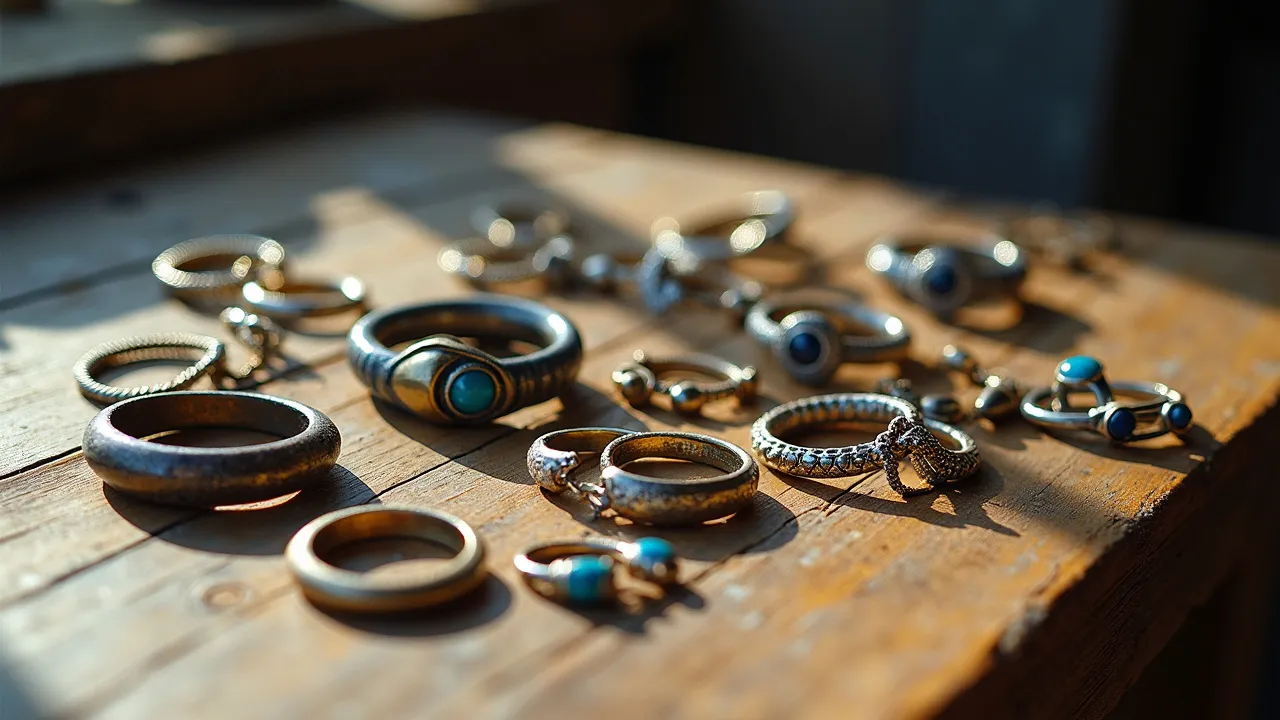
National Jewel Day on March 13th celebrates the artistry, history, and personal significance of jewelry. From ancient amulets to modern keepsakes, discover the cultural impact of adornment and how to participate worldwide.
The Historical Origins & Evolutionary Journey of Jewelry and National Jewel Day
National Jewel Day, observed annually on March 13th, is a day dedicated to the appreciation of jewelry in all its forms. While the holiday itself emerged in the early 2000s as a promotion by the jewelry industry, the human fascination with adornment spans tens of thousands of years. This section explores both the modern observance and the deep historical roots of jewelry.
The Foundational Catalyst: Ancient Adornment
The earliest known jewelry dates back over 100,000 years, with shell beads discovered in Israel and Morocco. These objects were not merely decorative; they served as symbols of status, identity, and spiritual protection. In ancient Egypt, jewelry made from gold and lapis lazuli was buried with pharaohs to ensure safe passage to the afterlife. The Etruscans mastered granulation, while the Romans popularized signet rings and cameos. Throughout history, jewelry has been a medium of personal expression, wealth storage, and cultural storytelling.
The Legislative/Official Adoption: The Birth of National Jewel Day
Unlike many official holidays, National Jewel Day was not established by government decree. Instead, it was created by the Jewelry Industry Council (now part of the Jewelers of America) as a marketing initiative to boost sales and public interest in jewelry during the spring season. The first observance was recorded in 2002, with retailers and designers promoting special events, trunk shows, and educational workshops. The date of March 13th was chosen strategically, falling just after the winter holidays and before the spring wedding season, offering a perfect opportunity to celebrate jewelry as a gift for self or others.
Modern Global Legacy
Today, National Jewel Day is embraced by jewelry enthusiasts, collectors, and retailers around the world. Social media campaigns use hashtags like #NationalJewelDay to showcase custom pieces and vintage finds. The day has evolved beyond commerce into a celebration of craftsmanship, gemology, and personal style. In India, where jewelry is integral to festivals like Diwali and weddings, the day resonates deeply. In the United States, it serves as a reminder to appreciate heirloom pieces and support local artisans. The legacy of National Jewel Day lies in its ability to connect ancient traditions with modern consumer culture.
How to Celebrate National Jewel Day: A Global Guide
National Jewel Day offers countless ways to participate, whether you are a collector, a casual wearer, or simply curious about the art of adornment. Below are detailed strategies for individuals, schools, and organizations, with cultural variations from around the world.
For Individuals
Wear Your Favorite Piece: Choose a meaningful piece of jewelry that tells a story – an heirloom, a travel souvenir, or a gift from a loved one.
Host a Jewelry Swap Party: Invite friends to exchange pieces they no longer wear. This reduces waste and allows everyone to refresh their collection.
Learn About Gemstones: Use resources like the Gemological Institute of America (GIA) to research your birthstone or a stone you admire. Understanding cut, clarity, color, and carat enhances appreciation.
Visit a Jewelry Museum: Explore museums such as the Smithsonian’s National Gem Collection in Washington, D.C., or the Victoria and Albert Museum in London.
For Schools and Organizations
Host a Workshop: Invite a local jeweler to teach basic wire-wrapping or bead stringing. Participants can create their own bracelet or necklace.
Organize a Jewelry-Themed Fundraiser: Auction donated pieces to support a charitable cause.
Educational Seminars: Discuss the history of jewelry in different cultures, from African beadwork to Native American silverwork.
Career Day: Invite gemologists, jewelry designers, or appraisers to speak about their professions.
International Variations
United States: Retailers offer special discounts and trunk shows. Many people treat themselves to a new piece or take heirlooms for cleaning and repair.
India: Jewelry is deeply tied to tradition. On National Jewel Day, families may clean and polish their gold pieces, visit jewelers for new purchases, or attend cultural events showcasing traditional crafts like Kundan and Meenakari.
Japan: The day is used to highlight the artistry of pearl cultivation, especially Mikimoto pearls. Consumers are encouraged to buy cultured pearls as a sustainable choice.
Italy: Home to luxury brands like Bulgari and Pomellato, Italians celebrate by visiting exhibitions and supporting local artisans.
The Art and Craft of Jewelry Making
Jewelry making is a blend of artistry, precision, and technical skill. From ancient techniques to modern innovations, the craft has evolved dramatically.
Traditional Techniques
- Lost-Wax Casting: Used for thousands of years, this method involves creating a wax model, encasing it in plaster, and melting the wax to leave a mold for molten metal.
- Hand Engraving: Artisans use gravers to carve intricate designs into metal surfaces, often for wedding bands or signet rings.
- Filigree: Delicate threads of gold or silver twisted into lace-like patterns, popular in Portuguese and Indian jewelry.
Modern Innovations
- 3D Printing: Designers create digital models that are printed in wax or resin, then cast in metal. This allows for complex geometries impossible by hand.
- Laser Cutting and Welding: Precise laser technology enables detailed cuts and repairs without damaging delicate stones.
- Lab-Grown Diamonds: A sustainable alternative to mined diamonds, they have the same chemical composition but are created in weeks, not millennia.
The craft continues to evolve, embracing both heritage and technology. National Jewel Day is a perfect occasion to appreciate the skill behind every piece.
The Economics of the Jewelry Industry
The global jewelry industry is valued at over $300 billion annually, employing millions from miners to retailers. It is a complex ecosystem with distinct segments: luxury, fashion, and bridal.
Major Markets
- United States: The largest market for jewelry, with a strong focus on diamonds and engagement rings.
- China: Rapidly growing demand for gold and jade, driven by rising disposable income and cultural traditions.
- India: The world’s largest consumer of gold, using it for investment, weddings, and daily wear.
Supply Chain
From mining rough gems (often in Africa, Russia, or South America) to cutting and polishing (almost 90% of diamonds are cut in India), to designing and retailing, each step adds value. The industry faces challenges like conflict diamonds, environmental impact, and price volatility. Organizations like the Kimberley Process aim to ensure ethical sourcing. National Jewel Day encourages consumers to ask where their jewelry comes from and support responsible brands.
Jewelry as Cultural Symbol: From Amulets to Identity
Jewelry has always carried deep symbolic meaning.
Protective Amulets
Ancient cultures believed certain stones and metals warded off evil. The evil eye motif appears in Turkish, Greek, and Middle Eastern jewelry.Status and Wealth
Throughout history, sumptuary laws restricted who could wear certain gems or metals. Today, luxury brands still signal social standing.Love and Commitment
Engagement rings, wedding bands, and friendship bracelets represent bonds. The tradition of diamond engagement rings was popularized by De Beers in the 20th century.Cultural Identity
Indigenous jewelry often incorporates local materials and patterns, preserving heritage. For example, Navajo turquoise silverwork and Maasai beaded collars are instantly recognizable. National Jewel Day is a time to reflect on these layers of meaning.Caring for Your Jewelry: Maintenance and Preservation
Proper care ensures that jewelry lasts for generations.
Cleaning Tips
- Gold and Platinum: Soak in warm water with mild dish soap, gently scrub with a soft toothbrush, and rinse.
- Silver: Use a silver polishing cloth or a gentle cleaner. Tarnish is natural; wear often to reduce it.
- Gemstones: Avoid ultrasonic cleaners for porous stones like opals and pearls. Use a damp cloth instead.
Storage
Store pieces separately in fabric-lined boxes or pouches to prevent scratching. Keep away from heat and chemicals (perfume, hairspray). Have jewelry professionally inspected annually for loose prongs or wear. National Jewel Day is an ideal reminder to schedule an appraisal or cleaning.
Ethical Sourcing and Sustainability in the Jewelry Industry
Consumers increasingly demand transparency and sustainability.
Conflict-Free Diamonds
The Kimberley Process Certification Scheme aims to eliminate conflict diamonds, though critics argue it is not enough. Many brands now source from Canada or Australia, where mining regulations are stricter.Recycled Metals
Using recycled gold and silver reduces the need for new mining, significantly lowering environmental impact.Lab-Grown Alternatives
Diamonds, emeralds, and other gems can be grown in labs, offering a lower-cost and eco-friendly option.Fair Trade Gems
Initiatives like Fairtrade Gold and Fairmined support artisanal miners with fair wages and safe conditions. On National Jewel Day, consider choosing ethical brands or vintage pieces to reduce demand for new mining.The Future of Jewelry: Technology and Trends
Technology and shifting consumer values are reshaping jewelry.
Smart Jewelry
Wearables like smart rings and bracelets track health metrics while looking stylish.Personalization
Laser engraving and custom 3D-printed designs allow for unique, one-of-a-kind pieces.Sustainable Luxury
Brands are adopting circular economy models, offering repair and resale services.Blockchain Traceability
Blockchain ensures every step of a gem’s journey is recorded, boosting trust.Virtual Try-On
Augmented reality (AR) apps let customers see how rings or earrings look before buying. National Jewel Day is a preview of these exciting developments, blending tradition with innovation.Historical Timeline
Earliest known jewelry: shell beads found in Morocco and Israel.
Ancient Egyptians wear gold and lapis lazuli jewelry, often in burial contexts.
Minoan and Mycenaean cultures produce intricate gold filigree and granulation.
Etruscan artisans perfect fine granulation techniques in gold jewelry.
Romans popularize signet rings and cameos for personal identification and decoration.
The De Beers diamond company founded, later consolidating control over diamond supply.
De Beers launches the 'A Diamond is Forever' campaign, cementing diamond engagement rings.
Kimberley Process established to certify conflict-free diamonds.
First National Jewel Day observed on March 13th, promoted by the Jewelry Industry Council.
Lab-grown diamonds gain significant market presence, offering ethical and affordable alternatives.
Blockchain technology increasingly used for gemstone traceability, enhancing transparency.