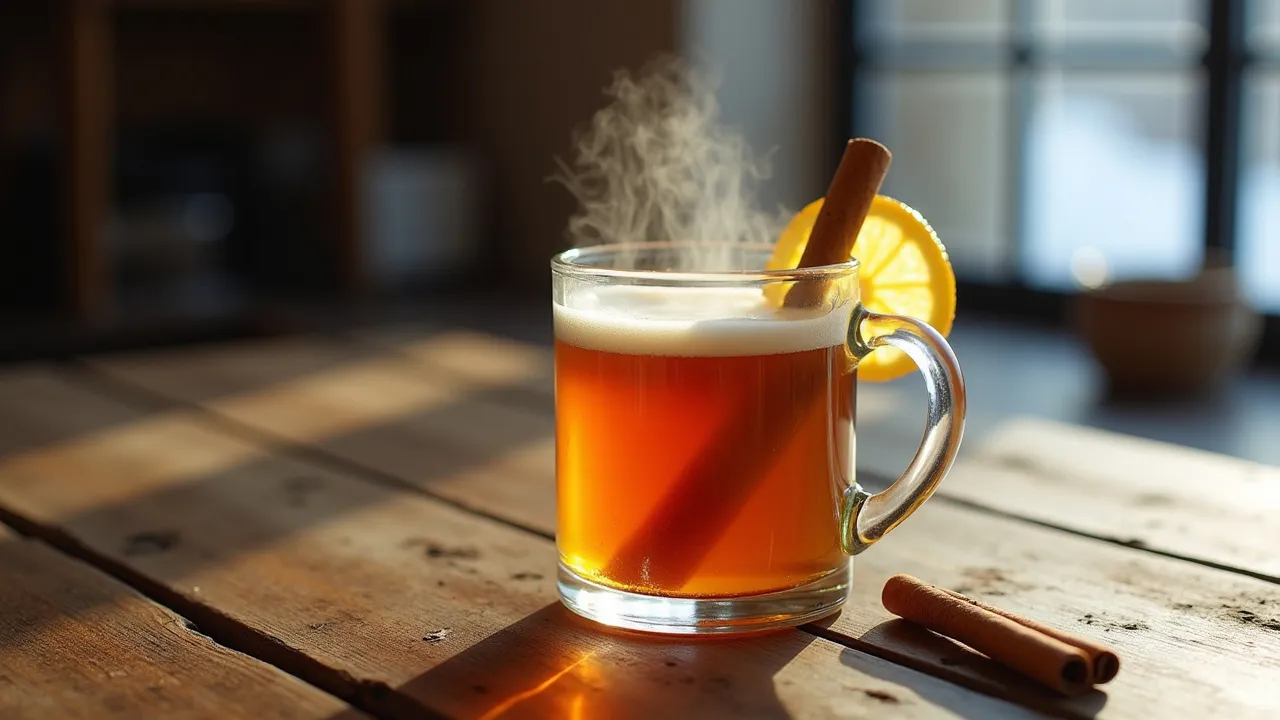
National Hot Toddy Day is celebrated annually on January 11th, honoring the classic warm cocktail that has been used for centuries as a soothing remedy for colds and a cozy winter beverage. Learn about its history, variations, and how to celebrate.
The Historical Origins & Evolutionary Journey
National Hot Toddy Day, observed annually on January 11th, honors a beverage with deep historical roots that span centuries and continents. The hot toddy's origins are intertwined with both Scottish and Indian traditions. The term 'toddy' itself derives from the Hindi word 'tāṛī,' meaning a fermented drink from the sap of palm trees, introduced to British colonists in India during the 17th century. However, the hot, whiskey-based version we know today evolved in Scotland and Ireland as a warming winter remedy.
The Foundational Catalyst: From Palm Sap to Whiskey
The original toddy was a palm wine consumed in tropical regions. British soldiers and traders adapted the concept using local spirits like Scotch whisky, adding hot water, honey, and spices to create a comforting drink. By the 1700s, recipes for 'hot whiskey' appeared in British cookbooks, often prescribed for colds and flu. The drink became a staple in Scottish households, traditionally called a 'hot toddy' or 'whisky toddy.'
The Legislative/Official Adoption
Unlike some modern food holidays, National Hot Toddy Day has no single founder or official proclamation. Its designation on January 11th is believed to originate from calendar publishers and cocktail enthusiasts who sought a mid-winter celebration for this comforting beverage. The date aligns with the peak of cold and flu season in the Northern Hemisphere, reinforcing the drink's medicinal association. Over the years, bars, distilleries, and home mixologists have embraced the day as an opportunity to highlight classic and innovative toddy recipes.
Modern Global Legacy
Today, the hot toddy is enjoyed worldwide, with variations using rum, brandy, or bourbon. It appears in popular culture, from literature to film, as a symbol of warmth and conviviality. The day also encourages discussions about responsible drinking and the historical use of alcohol as a therapeutic agent. While modern medicine debates its efficacy, the hot toddy remains a beloved winter ritual.
How to Celebrate National Hot Toddy Day
National Hot Toddy Day offers a perfect excuse to embrace the cold weather and enjoy a warm, spiced beverage. Whether you're a seasoned mixologist or a curious novice, here are actionable ways to celebrate:
At Home
- Master the Classic Recipe: Combine 2 oz whiskey (Scotch or bourbon), 1 tbsp honey, 1 tbsp lemon juice, and 6 oz hot water. Garnish with a cinnamon stick and lemon slice.
- Experiment with Variations: Try a Rum Toddy with dark rum and nutmeg, a Brandy Toddy with aromatic bitters, or a Tea Toddy using chai or Earl Grey instead of water.
- Host a Toddy Tasting: Invite friends over and sample different spirits and spice combinations. Provide a tasting sheet and vote on the favorite.
In Schools and Offices
- Educational Sessions: Teach the history and cultural significance of hot toddies. Discuss the chemistry of dissolving honey and extracting flavors from spices.
- Mocktail Version: For non-alcoholic participation, create a 'Hot Toddy Mocktail' with hot apple cider, honey, lemon, and spices.
Global Traditions
In Scotland, the hot toddy is called a 'Whisky Toddy' and often served with a dash of Drambuie. In Ireland, Irish whiskey is used, sometimes with a clove-studded orange slice. In South Africa, a similar drink called 'Hot Whiskey' includes angostura bitters and a cinnamon stick. Each culture adds its own twist, reflecting local ingredients and preferences.
Remember to drink responsibly and consider using local spirits to honor regional traditions. National Hot Toddy Day is about warmth, comfort, and community.
Health Benefits & Medicinal Claims
The hot toddy has long been touted as a home remedy for the common cold and flu. While scientific evidence is mixed, certain ingredients offer well-documented benefits:
Key Ingredients and Their Properties
- Honey: Natural antimicrobial and soothing for sore throats.
- Lemon: Vitamin C source; may reduce cold duration slightly.
- Whiskey: Acts as a mild vasodilator and can help with relaxation and sleep. In small amounts, it may ease congestion.
- Hot Water/Tea: Hydration and warmth can soothe respiratory passages.
Critics note that alcohol can dehydrate and impair immune function, so moderation is key. Many modern versions omit alcohol and rely on herbal teas or apple cider as a base. Regardless, the psychological comfort of a warm drink on a cold day should not be underestimated. The ritual of preparing and sipping a toddy can reduce stress and promote wellbeing.
Variations Across Cultures and Regions
The hot toddy's adaptability has led to countless regional variations, each reflecting local spirits and ingredients:
Scotland & Ireland
The classic Whisky Toddy uses Scotch or Irish whiskey, honey, lemon, and hot water. Some add a cinnamon stick or star anise for extra warmth.
United States
American versions often use bourbon or rye whiskey. The Hot Toddy is a staple in ski resorts and winter taverns, sometimes sweetened with maple syrup instead of honey.
Scandinavia
In Sweden and Norway, a similar drink called Glögg is mulled wine with spices, but a spirit-based version called Brännvinstoddy uses aquavit.
India
The original Toddy (palm wine) is still consumed, but a hot version made with local rum, ginger, and spices is popular in hill stations.
Japan
A Sake Toddy uses warm sake, honey, and yuzu juice, reflecting Japanese taste.
These variations showcase the hot toddy's universal appeal as a customizable winter warmer.
The Cultural Significance of Hot Toddies in Literature and Media
The hot toddy appears in numerous works of literature and film, often symbolizing comfort, escape, or tradition. In Charles Dickens' 'A Christmas Carol', characters enjoy a hot beverage that could easily be a toddy. In modern media, the drink is featured in TV shows like Downton Abbey (as a 'hot toddy' for illness) and movies such as The Grand Budapest Hotel. Its presence in popular culture reinforces its role as a timeless cure-all and social lubricant.
The day itself has grown through social media, with bartenders sharing recipes and home enthusiasts posting photos. Hashtags like #NationalHotToddyDay trend on January 11th, fostering a global community of toddy lovers.
Modern Mixology and the Future of the Hot Toddy
Contemporary bartenders have reinterpreted the hot toddy using innovative techniques and ingredients. Fat-washed whiskey (infused with bacon or butter), smoked honey, and dehydrated citrus wheels add complexity. Some serve it as a 'deconstructed toddy' where guests mix their own components. The rise of craft distilleries has also led to small-batch spirits specifically designed for hot cocktails.
Sustainability trends influence toddy-making: bartenders use leftover citrus peels for garnishes, bee-friendly honey, and organic spices. The hot toddy's future lies in its ability to adapt while preserving its core identity as a simple, soothing drink. National Hot Toddy Day will continue to evolve as mixologists push boundaries and new generations embrace this classic winter warmer.
Historical Timeline
British colonists in India encounter palm toddy and adapt it using local spirits.
First written recipes for 'hot whiskey' or 'toddy' appear in British cookbooks, prescribing it as a cold remedy.
The hot toddy becomes a staple in Scottish and Irish households, often served with honey and spices.
American versions gain popularity with bourbon; the drink is featured in literature and early cinema.
The hot toddy is included in classic cocktail guides and becomes a winter tradition in ski resorts.
National Hot Toddy Day is recognized by calendar publishers and celebrated on January 11th annually.
Craft cocktail movement revives interest; bartenders create artisanal versions with small-batch spirits and unique spices.
The hot toddy enjoys global popularity, with countless variations and a dedicated day for celebration.