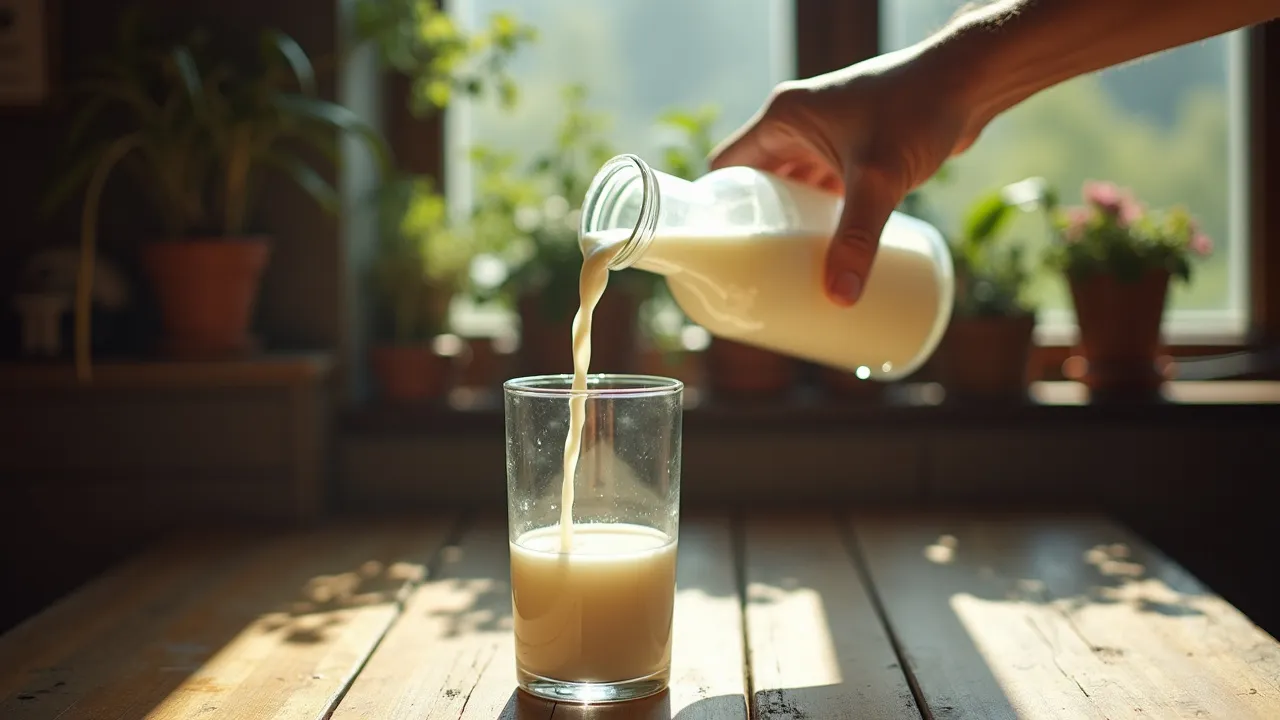
National Milk Day on January 11th celebrates the nutritional powerhouse that is milk. From its historical role in glass bottle delivery to modern dairy innovations, this day honors milk's contribution to health and culinary traditions worldwide.
History and Origins of National Milk Day
The Foundational Catalyst
The origins of National Milk Day, observed on January 11th, are deeply tied to the history of milk delivery and pasteurization. In the late 19th century, milk was often sold in bulk from open containers, leading to contamination and health risks. The introduction of glass milk bottles in the 1870s revolutionized dairy distribution. The first recorded delivery of milk in sealed glass bottles occurred on January 11, 1878, in New York City, credited to the Dairy Company of New York. This innovation ensured purity and freshness, paving the way for modern dairy practices.
Official Recognition and Evolution
National Milk Day gained traction in the early 2000s as a grassroots effort by dairy farmers and nutrition advocates. Unlike federally proclaimed holidays, it emerged through social media campaigns and industry-led promotions. The day was informally designated to spotlight the health benefits of milk, including its rich calcium and vitamin D content. By 2015, major dairy organizations like the International Dairy Foods Association adopted the date to launch educational initiatives and community events.
Modern Global Legacy
Today, National Milk Day is celebrated across the United States and in several countries, though different regions may observe it on alternate dates (e.g., World Milk Day on June 1). The day serves as a platform to address modern challenges such as lactose intolerance alternatives, sustainable farming, and plant-based milk competition. It also highlights milk’s role in culinary traditions, from cheesemaking to the classic glass of cold milk with cookies.
How to Celebrate National Milk Day
National Milk Day offers countless opportunities to appreciate milk’s versatility and nutritional value. Here is a comprehensive guide to celebrating, tailored for individuals, families, schools, and organizations.
At Home
- Host a milk-tasting party: Sample different types of milk—whole, skim, organic, flavored, or plant-based—and discuss their flavors and uses.
- Bake milk-based treats: Prepare classic recipes like milk bread, rice pudding, or homemade ice cream.
- Enjoy a glass of cold milk: Pair it with freshly baked cookies or a slice of pie, embracing the simple pleasure.
In Schools and Communities
- Educational workshops: Invite dairy farmers or nutritionists to talk about milk production and health benefits.
- Milk donation drives: Collect shelf-stable milk for local food banks to combat food insecurity.
- Farm tours: Arrange visits to nearby dairy farms to learn about sustainable practices and animal care.
Corporate and Social Media
- Share milk facts: Post infographics on social media using hashtags like #NationalMilkDay and #MilkLove.
- Employee wellness: Offer milk breaks or sponsor yogurt parfaits in the workplace.
- Recipes contests: Encourage customers to create milk-based dishes and award prizes.
Global Celebrations
While January 11th is the US focus, many countries celebrate milk on different days. For example, India observes National Milk Day on November 26 to honor animal husbandry pioneer Verghese Kurien. In Europe, World Milk Day on June 1 features milk runs and charity events. Adapt local traditions to your region’s emphasis.
Nutritional Benefits of Milk
Milk is often called a "complete food" due to its nutrient density. A single cup of whole milk provides about:
- Calcium: 276 mg (28% of daily value), essential for strong bones and teeth.
- Vitamin D: Fortified milk offers 15% DV, aiding calcium absorption and immune function.
- Protein: 8 grams, supporting muscle repair and growth.
- Potassium: 322 mg, helping regulate blood pressure.
- B Vitamins: Including B12 and riboflavin, crucial for energy metabolism.
Beyond cow's milk, alternatives like goat milk, sheep milk, and fortified plant milks (almond, soy, oat) offer varied benefits. Lactose-free options provide similar nutrition for those intolerant. Research suggests that moderate milk consumption may reduce the risk of osteoporosis, type 2 diabetes, and colorectal cancer.
Debates and Considerations
Some critics argue that milk consumption is unnecessary for adults and may exacerbate acne or inflammation. However, the Dietary Guidelines for Americans recommend three servings of dairy per day for most age groups. Individuals with lactose intolerance can opt for lactose-free products or fermented dairy like yogurt and kefir, which are easier to digest.
Global Milk Consumption Trends
Milk consumption varies widely by region, influenced by culture, climate, and economics. According to the Food and Agriculture Organization (FAO), global milk production exceeds 900 million tonnes annually.
Top Consuming Countries
- Finland: Highest per capita consumption at ~430 kg/year, driven by strong dairy culture.
- United States: Approximately 250 kg per capita, with a shift toward plant-based alternatives.
- India: Largest producer, but per capita consumption is lower due to diverse diets.
- China: Growing demand due to Westernization, though still low at ~30 kg per capita.
Rise of Plant-Based Milks
Since 2010, the plant-based milk market has expanded by over 50%, with almond, oat, and soy milks leading. This trend reflects concerns about lactose intolerance, environmental footprint, and animal welfare. However, dairy milk remains dominant in many developing countries where it is a key protein source.
Economic Impact of the Dairy Industry
The dairy industry is a major economic driver globally, supporting millions of farmers, processors, and retailers. In the United States alone, the dairy sector contributes over $620 billion annually and supports 3.3 million jobs.
Key Economic Facts
- Global milk production: Valued at over $400 billion, with cow milk accounting for 82%.
- Trade: Major exporters include New Zealand, the EU, and the US; key importers are China and Mexico.
- Employment: Dairy farming provides livelihoods for 750 million people worldwide, especially smallholders.
- Value-added products: Cheese, butter, and yogurt generate higher margins, with cheese alone representing a $100 billion market.
Challenges and Innovations
Volatile milk prices, rising feed costs, and labor shortages threaten profitability. Precision dairy farming using IoT sensors and robotics is improving efficiency. Direct-to-consumer sales and subscription models are emerging trends that strengthen farmer incomes.
Environmental Considerations and Sustainability
Dairy farming accounts for about 3-4% of global greenhouse gas emissions, primarily from methane and nitrous oxide. However, the industry is making strides toward sustainability.
Environmental Footprint
- Water usage: Producing one liter of milk requires about 1,000 liters of water, though modern farms reduce this through recycling.
- Land use: Grazing and feed crop cultivation occupy significant land but can be managed via rotational grazing.
- Methane: Enteric fermentation from cows is a major source; feed additives like seaweed show potential to reduce emissions by up to 60%.
Sustainable Practices
- Anaerobic digesters: Convert manure into biogas for renewable energy.
- Carbon sequestration: Pasture-based systems can capture carbon in soil.
- Plant-based alternatives: While lower in emissions, they often have higher water and processing demands.
Consumers can support sustainable dairy by choosing organic, grass-fed, or locally produced milk. National Milk Day is an opportunity to discuss balance between nutrition and environmental stewardship.
Historical Timeline
First delivery of milk in sealed glass bottles on January 11 in New York City, enhancing hygiene and shelf life.
Ruth Benedict invents the first automated milk bottle washer, reducing labor and contamination.
Federal pasteurization standards are introduced in the US, significantly reducing milk-borne diseases.
Plastic milk jugs debut, replacing glass bottles and reducing breakage during transport.
The dairy industry launches the 'Got Milk?' campaign, becoming one of the most iconic ad slogans.
National Milk Day begins to gain popularity on social media, with dairy organizations promoting January 11th.
The International Dairy Foods Association officially recognizes National Milk Day, coordinating events and resources.
Plant-based milk sales surpass dairy milk in some US supermarkets for the first time, sparking industry debate.
Global milk production reaches 950 million tonnes, with India, the US, and the EU as top producers.