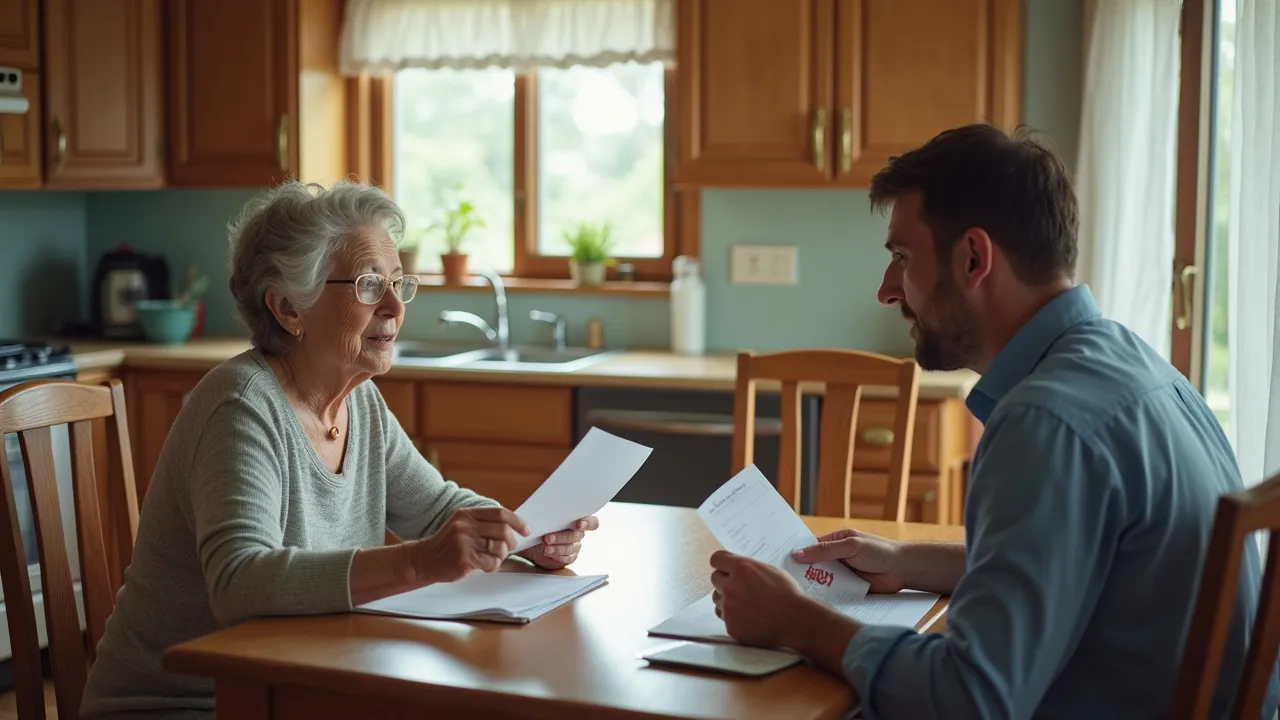
National Healthcare Decisions Day, observed on April 16th, encourages individuals to document their healthcare wishes through advance directives and start crucial conversations with loved ones and providers about end-of-life care.
The Historical Origins & Evolutionary Journey
National Healthcare Decisions Day (NHDD) was first observed on April 16, 2008, as a collaborative effort among healthcare organizations, community groups, and government agencies to promote advance care planning. The initiative was spearheaded by a coalition led by the National Healthcare Decisions Day organization, which later merged with The Conversation Project in 2016.
The Foundational Catalyst
The driving force behind NHDD was the recognition that most Americans had not completed an advance directive, despite decades of legal and medical advocacy. Studies consistently showed that fewer than 30% of adults had living wills or healthcare proxies. This gap led to unwanted medical treatments, family conflicts, and emotional distress. The catalyst was the growing movement to normalize end-of-life conversations, inspired by bioethics pioneers and patient advocacy groups.
The Legislative/Official Adoption
NHDD was not created by a single law but grew organically from grassroots efforts. However, it received official endorsements from the American Hospital Association, the American Bar Association, and numerous state health departments. Over time, many states recognized April 16th as Advance Care Planning Day, and federal agencies like the Centers for Medicare & Medicaid Services promoted it through public health campaigns.
Modern Global Legacy
Today, NHDD has inspired similar observances worldwide, such as Advance Care Planning Day in Canada (observed on the same date) and Healthcare Decisions Day in Australia. The core message remains: start the conversation, document your wishes, and empower loved ones to honor them. The day has evolved from a single-day event to a year-round movement, with hospitals, clinics, and community organizations hosting workshops, webinars, and document preparation events.
How to Celebrate National Healthcare Decisions Day
Participating in NHDD can be as simple as starting a conversation or as comprehensive as completing a full advance directive package. Below are actionable strategies for individuals, families, and organizations.
For Individuals and Families
- Start the Conversation: Gather with family or close friends and discuss your values, wishes, and who you trust to make decisions. Use conversation starter kits from The Conversation Project.
- Complete Advance Directives: Fill out a living will and healthcare power of attorney. Many states offer free forms online; check your state's health department website.
- Plan a Document Signing Party: Invite loved ones over to complete their forms together, providing notary services and witnesses.
- Update Existing Documents: Review your current advance directives to ensure they still reflect your wishes. Life changes such as marriage, divorce, or new diagnoses may necessitate updates.
For Healthcare Organizations and Employers
- Host a Workshop: Offer free advance care planning workshops for patients, staff, or the community. Include experts to answer legal and medical questions.
- Set Up Information Tables: In lobbies or common areas, provide brochures, sample forms, and staff to answer questions.
- Social Media Campaign: Use the hashtag #NationalHealthcareDecisionsDay to share tips, stories, and resources. Feature testimonials from patients or providers.
- Offer Lunch-and-Learns: During lunch breaks, provide short educational sessions on the importance of advance directives.
Global Celebration Variations
In Canada, Advance Care Planning Day on April 16th involves similar activities, often coordinated by provincial health authorities. Australia celebrates Healthcare Decisions Day with a focus on digital advance care planning through online tools. In the United Kingdom, conversations about end-of-life care are encouraged year-round through Dying Matters Awareness Week, which often coincides with NHDD themes. In Japan, the concept is slowly gaining traction through partnership with US organizations, with some hospitals hosting pilot programs.
Core Themes: Autonomy, Communication, and Peace of Mind
National Healthcare Decisions Day rests on three foundational themes: patient autonomy, effective communication, and reducing burden on families.
Autonomy and the Right to Choose
The principle of patient autonomy is enshrined in bioethics. Advance directives allow individuals to exercise control over their medical treatment even when incapacitated. This respects personal values, religious beliefs, and cultural preferences. For example, a person may refuse life-sustaining treatment based on religious tenets or choose aggressive care consistent with their desire to fight illness.
Communication as a Tool for Clarity
One of the biggest barriers to honoring end-of-life wishes is that families often don’t know what their loved one wants. NHDD emphasizes the importance of having explicit conversations, not just completing legal forms. These dialogues reduce conflict and ensure that surrogate decision-makers act confidently. Studies show that when conversations occur, families report less stress and regret.
Peace of Mind for All
Completing advance directives provides peace of mind for the individual and their loved ones. The knowledge that one’s wishes are documented reduces anxiety about future medical crises. For healthcare providers, it clarifies the patient’s goals, allowing for better alignment of care with preferences, which can improve quality of life and prevent unwanted interventions.
Global Impact and Societal Transformations
Though National Healthcare Decisions Day originated in the United States, its message has sparked a global movement. Countries with aging populations, such as Japan, Germany, and Italy, have seen growing interest in advance care planning. The COVID-19 pandemic accelerated this trend, as many witnessed the consequences of lacking advance directives. International organizations like the World Health Organization now recognize advance care planning as a key component of person-centered end-of-life care. In low-resource settings, simplified tools and community health workers help spread the concept. NHDD’s model of a single-day awareness campaign has been adapted by many nations, often integrating with existing public health calendars.
Industry Transformations in Healthcare and Legal Sectors
The observance has catalyzed changes in how healthcare systems and legal professionals approach end-of-life planning.
Healthcare Provider Training
Many hospitals now require training on advance care planning communication skills. Programs like VitalTalk and Ariadne Labs have developed curricula teaching clinicians to have these sensitive conversations efficiently. Reimbursement models, such as Medicare’s advance care planning billing codes, incentivize providers to dedicate time to this service.
Legal and Technological Innovations
Technology companies have created platforms for digital advance directives, such as MyDirectives and Everplans. These allow secure storage of documents and sharing with healthcare providers. Legal professionals have also specialized in health care proxy and living will preparation, with some offering pro bono services on NHDD.
Policy and Advocacy Shifts
Advocacy groups continue to push for state-level registries for advance directives, making them easily accessible to emergency departments. Some states have integrated POLST (Physician Orders for Life-Sustaining Treatment) forms into their systems, providing a more actionable medical order complementing advance directives.
Overcoming Barriers and Cultural Sensitivity
Despite progress, barriers remain. Cultural taboos around death and dying can hinder open discussions. In many cultures, family decision-making is prioritized over individual autonomy. NHDD encourages culturally tailored approaches, such as using community health workers or religious leaders to facilitate conversations. Health literacy is another barrier; complex legal language in forms can intimidate individuals. Simplified forms in plain language, like those from The Conversation Project, help. Disparities persist among racial and ethnic minorities, who often have lower advance directive completion rates. Addressing these disparities requires systemic changes, including language translation, mobile clinics, and trust-building initiatives. NHDD serves as a rallying point to highlight these gaps and promote equity.
Historical Timeline
The Conversation Project is founded by journalist Ellen Goodman, aiming to make it easier for people to talk about their end-of-life wishes.
Preliminary discussions begin among healthcare and legal organizations about creating a national day to promote advance care planning.
First National Healthcare Decisions Day observed on April 16, launched by a coalition including the National Healthcare Decisions Day organization, American Hospital Association, and American Bar Association.
The Patient Protection and Affordable Care Act includes provisions for advance care planning counseling, increasing awareness.
Medicare begins covering advance care planning conversations as a separate billable service.
The National Healthcare Decisions Day organization merges with The Conversation Project, integrating efforts to promote ongoing advance care planning.
COVID-19 pandemic underscores critical need for advance directives, leading to record-level interest and participation in NHDD events.
Over 100 organizations partner for NHDD, including major health systems, hospice providers, and community groups.
National Healthcare Decisions Day expands to include digital resources and virtual workshops, reaching global audiences.