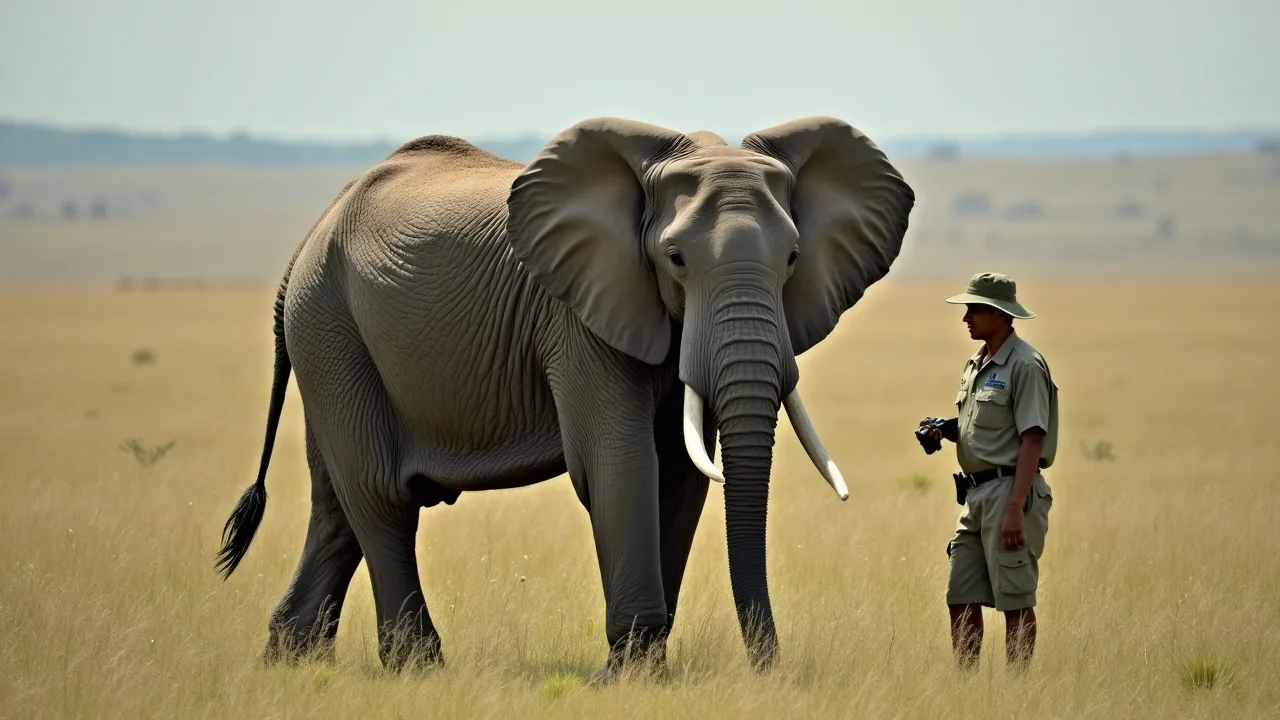
Save the Elephant Day, observed on April 16, raises awareness about the devastating threats elephants face and mobilizes global action to protect these intelligent, keystone species from poaching, habitat loss, and exploitation.
The Historical Origins & Evolutionary Journey
Save the Elephant Day is a globally recognized observance dedicated to the protection and conservation of elephants. It was first launched on April 16, 2012, by the Elephant Reintroduction Foundation, a nonprofit founded by Queen Sirikit of Thailand, in partnership with the Thai government. The day emerged from a growing international crisis: elephants were being slaughtered at alarming rates for their ivory, and their habitats were shrinking due to human encroachment.
The Foundational Catalyst
The initial inspiration came from the need to support the Elephant Reintroduction Foundation's mission to return captive elephants to the wild and to protect wild populations. Thailand, home to both Asian elephants and a significant captive elephant industry, faced unique challenges, including the exploitation of elephants in tourism and logging. The foundation's work highlighted the urgent need for a dedicated day to focus global attention on elephant welfare.
The Legislative/Official Adoption
The Thai government officially endorsed April 16 as Save the Elephant Day, aligning it with national conservation priorities. Over time, the day gained international recognition through social media campaigns, partnerships with organizations like WWF and Save the Elephants, and events in major zoos and sanctuaries. By 2015, the United Nations indirectly supported the spirit of the day through its World Elephant Day (August 12), but Save the Elephant Day remains distinct in its focus on Asian elephant reintroduction and Thai conservation efforts.
Modern Global Legacy
Today, Save the Elephant Day is observed in over 50 countries. It serves as a platform for fundraising, education, and advocacy. The day has evolved to address broader issues, including the ivory trade, human-elephant conflict, and climate change impacts. Social media hashtags like #SaveTheElephantDay generate millions of impressions annually, driving donations and policy changes.
How to Celebrate Save the Elephant Day
Participation in Save the Elephant Day can take many forms, from individual actions to organizational campaigns. Here is a definitive guide to making an impact on April 16 and beyond.
For Individuals
- Educate Yourself: Read about elephant conservation from trusted sources like the IUCN Red List. Understand the differences between African forest, African savanna, and Asian elephants.
- Donate to Reputable Organizations: Support groups like the Elephant Reintroduction Foundation, Save the Elephants, or Born Free Foundation. Even small donations fund anti-poaching patrols and habitat restoration.
- Go Elephant-Free in Tourism: Avoid attractions that use elephants for rides or shows. Choose ethical sanctuaries that prioritize animal welfare, such as Elephant Nature Park in Thailand.
- Spread Awareness: Share information on social media using #SaveTheElephantDay. Post educational graphics, facts, and personal pledges.
For Schools and Educational Institutions
- Host a Documentary Screening: Show films like The Ivory Game or An Apology to Elephants to foster discussion.
- Organize a Fundraiser: Sell elephant-themed crafts or hold a bake sale to raise money for conservation.
- Incorporate Elephant Studies into biology or geography lessons for a day.
For Organizations and Businesses
- Launch a Corporate Matching Gift Program for employee donations to elephant causes.
- Host a Virtual Seminar with conservation experts to educate clients and staff.
- Commit to Sustainable Sourcing by avoiding palm oil linked to deforestation, which threatens elephant habitats.
Global Celebrations
In Thailand, Save the Elephant Day is marked by ceremonial offerings to elephants at sanctuaries and parades with decorated pachyderms. In Kenya, community-led patrols are honored, and in the United States, zoos often hold special educational events. Online, the day is a major call to action to ban ivory sales.
The Elephant Crisis: Poaching and Habitat Loss
Elephants face two primary existential threats: poaching for ivory and habitat destruction. Despite global bans, an estimated 20,000 African elephants are killed annually for their tusks. Asian elephant populations have declined by at least 50% in the last three generations.
Poaching and the Ivory Trade
Poaching is driven by demand for ivory, primarily in Asia. Criminal syndicates use advanced weapons and corrupt networks to kill elephants. CITES (Convention on International Trade in Endangered Species) banned international ivory trade in 1989, but illegal markets persist. Countries like China, Japan, and Thailand have implemented domestic bans, yet loopholes and stockpiles undermine efforts. Poaching also devastates elephant social structures, as matriarchs are often targeted for their larger tusks, leaving calves orphaned.
Habitat Fragmentation and Human-Elephant Conflict
As human populations expand, elephant ranges are fragmented by agriculture, infrastructure, and urbanization. In Asia and Africa, this leads to human-elephant conflict, where elephants raid crops and destroy property, resulting in retaliatory killings. Over 400 people and 100 elephants die annually in such conflicts in India alone. Climate change exacerbates drought, forcing elephants to travel further for water, increasing conflict risks.
Conservation Successes
Despite challenges, there are wins. Anti-poaching units using drones and GPS tracking have reduced poaching in some areas. Protected areas like Tsavo National Park in Kenya and Okavango Delta in Botswana have stable populations. Community-based conservation programs, such as those in Namibia, give locals economic incentives to protect elephants, leading to population recoveries.
The Role of Elephant Sanctuaries and Ethical Tourism
Elephant sanctuaries play a critical role in rehabilitation and public education. However, not all facilities are ethical. Understanding the difference is vital for responsible tourism on Save the Elephant Day.
What Makes a Sanctuary Ethical?
No Riding or Shows: Ethical sanctuaries prohibit riding, performing, or any forced interaction with elephants.
Natural Environment: Elephants have large, naturalistic spaces with access to water, mud, and diverse vegetation.
Transparent Operations: They publish financial reports and allow unannounced visits.
Rescue and Release Focus: The goal is rehabilitation and, if possible, release into the wild.
Notable Sanctuaries
Elephant Nature Park in Thailand rescues elephants from logging and tourism industries. Sheldrick Wildlife Trust in Kenya rehabilitates orphaned elephants and reintegrates them into the wild. Elephant Haven in Zimbabwe provides a retirement home for captive elephants. Visiting these sanctuaries on Save the Elephant Day can directly support their work.
Ethical Tourism Tips
Research any elephant attraction before visiting: look for reviews from conservation groups.
Avoid attractions that offer rides, paint elephants, or allow close-up selfies.
If you see an elephant in chains or with a mahout holding a bullhook, that is a red flag.
Opt for observation-only experiences, such as watching elephants from a safe distance.
Global Conservation Efforts and Legal Frameworks
International cooperation is essential to protect elephants. Save the Elephant Day amplifies the need for strong laws and enforcement.
International Treaties and Conventions
CITES (Convention on International Trade in Endangered Species) is the primary treaty regulating elephant ivory trade. In 2016, CITES banned all domestic ivory sales in the US, UK, and China. The Convention on Migratory Species (CMS) protects elephants across borders. However, enforcement remains inconsistent, with loopholes allowing stockpile sales that fuel demand.
National Legislation
- United States: The African Elephant Conservation Act and the Endangered Species Act provide funding and protections. Many states have banned ivory sales within their borders.
- European Union: The EU has some of the strictest ivory trade rules, but illegal trade still occurs via online platforms.
- Africa: Countries like Botswana, Kenya, and Tanzania have varying degrees of protection; Botswana has the largest elephant population but faces pressure to legalize trophy hunting.
- Asia: Thailand, India, and Laos have strengthened anti-poaching laws and established wildlife corridors.
Innovative Solutions
Technology plays a growing role: AI-powered camera traps identify poachers in real time, DNA tracking of ivory helps trace origins, and elephant-friendly farming incentives reduce human-elephant conflict. Save the Elephant Day promotes these innovations through educational campaigns.
How to Get Involved: Personal Actions and Advocacy
Beyond April 16, individuals can sustain their support for elephants through year-round actions. This section outlines practical steps for long-term contribution.
Reduce Your Ecological Footprint
- Avoid Palm Oil from Deforested Areas: Palm oil plantations are a major driver of habitat loss in Southeast Asia. Look for RSPO-certified products.
- Recycle Electronics: Mining for minerals used in electronics destroys forest elephant habitats in Central Africa.
- Choose Sustainable Wood and Paper: Opt for FSC-certified products to reduce logging in elephant ranges.
Advocate for Policy Change
- Contact your elected representatives to support ivory bans and funding for conservation.
- Sign petitions against trophy hunting and for stronger wildlife crime penalties.
- Support organizations that lobby for elephant protection, such as the International Fund for Animal Welfare (IFAW).
Support Research and Education
Donate to or volunteer with groups that conduct elephant research, like save the Elephants' GPS tracking studies. Educate others by giving presentations at schools or writing articles for local media. Remember: every action, no matter how small, contributes to a future where elephants thrive.
Historical Timeline
The Endangered Species Act (ESA) is passed in the United States, listing both African and Asian elephants as endangered, providing federal protections.
CITES (Convention on International Trade in Endangered Species) bans international commercial trade in elephant ivory, leading to a temporary decline in poaching.
Queen Sirikit of Thailand establishes the Elephant Reintroduction Foundation, aimed at returning captive elephants to the wild.
April 16 is officially designated as Save the Elephant Day by the Elephant Reintroduction Foundation and the Thai government, with the first observance held in Thailand.
Multiple countries including the United States, China, and the United Kingdom enact near-total bans on domestic ivory sales, significantly reducing demand.
COVID-19 pandemic-related travel bans lead to a temporary drop in poaching, but also reduced tourism revenue for conservation, highlighting the need for sustainable funding models.
Global elephant populations show signs of stabilization in some regions due to improved anti-poaching efforts and community conservation programs, though threats remain.