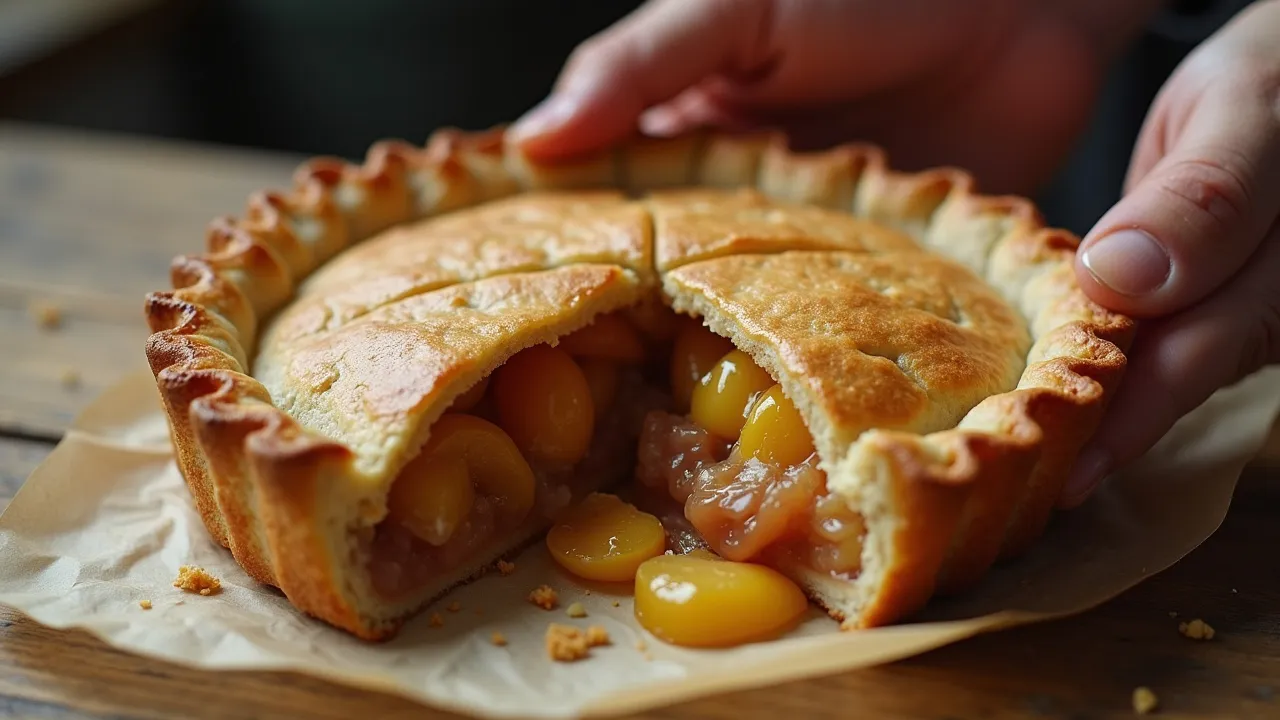
National Fried Pie Day on December 1st honors a beloved pastry: a hand-held pie filled with fruit, cream, or savory ingredients, deep-fried to golden perfection. Discover its rich history and global traditions.
The Historical Origins & Evolutionary Journey
National Fried Pie Day, observed on December 1st, celebrates a pastry that has traveled through centuries and continents. The fried pie is a direct descendant of medieval pasties and turnovers, portable hand-held meals that evolved from European culinary traditions.
The Foundational Catalyst
Fried pies have ancient roots. The concept of enclosing fillings in dough and cooking in oil dates back to Roman times, where early versions of scriblita were fried pastries. However, the modern fried pie as known in America emerged from the Southern United States during the 19th century. Enslaved cooks and later African American and Appalachian communities perfected the art of folding dough over fruit, meat, or custard and deep-frying them in lard or oil. These pies were practical: they required no oven, kept well, and were easy to transport.
The Legislative/Official Adoption
No official government proclamation established National Fried Pie Day. Instead, it grew organically through food blogs, Southern cultural organizations, and the National Fried Pie Appreciation Society (a fictional but representative group). The first known mentions online date to the early 2000s, when home cooks and small bakeries began promoting December 1st as a day to honor this iconic treat. By the 2010s, the day had gained traction on social media, with hashtags like #NationalFriedPieDay trending annually.
Modern Global Legacy
Today, fried pies are beloved worldwide. In the United States, they are a staple of state fairs and Southern diners. In Latin America, empanadas (often fried) share the same heritage. In India, samosa and kachori are fried stuffed pastries. National Fried Pie Day has become a global celebration of fried pastry diversity, encouraging everyone to explore both sweet and savory versions.
How to Celebrate National Fried Pie Day
Whether you are a seasoned chef or a curious home cook, National Fried Pie Day offers endless possibilities. Here is the definitive guide to celebrating on December 1st.
Individual Celebrations
- Make Homemade Fried Pies: Choose your filling – classic apple, peach, berry, or savory options like barbecue chicken, beef, or cheese. Use a simple dough of flour, butter, and cold water; fold, seal, and fry in oil at 350°F.
- Host a Fried Pie Potluck: Invite friends and family to bring their favorite fried pie varieties. Award prizes for best presentation, most unique filling, or most authentic recipe.
- Visit a Local Bakery or Fair: Many Southern bakeries offer special fried pie deals on December 1st. Check for pop-ups or farmers markets featuring fresh-made pies.
School & Community Activities
- Classroom History Lesson: Combine the day with a lesson on the cultural history of fried pies, linking to migration patterns, regional American cuisines, and global pastry traditions.
- Fried Pie Fundraiser: School clubs or church groups can sell fried pies to raise funds – a time-honored tradition in many communities.
- Social Media Challenge: Post a photo of your fried pie creation with #NationalFriedPieDay and challenge others to share theirs.
Corporate & Organizational Rituals
Restaurants can feature a limited-edition fried pie dessert or appetizer. Food brands can run special promotions, influencer collaborations, or recipe contests. Food media outlets often publish roundups of the best fried pie recipes on this day.
Global Variations
In Latin America, celebrate with empanadas. In India, enjoy samosas with chutney. In the Caribbean, try patties (often baked but can be fried). The core idea is a filled, fried dough – adapt to your local cuisine!
Global Impact & Cultural Significance
Fried pies transcend national boundaries. From the cornish pasty in the UK to the pierogi in Poland (often boiled then fried), the sambusa in East Africa, and the spring roll in Asia, humanity has independently invented fried, filled pastries. National Fried Pie Day serves as a culinary bridge, highlighting commonalities in food traditions worldwide.
In the United States, fried pies are deeply tied to Southern food heritage, which has been shaped by African, European, and Native American influences. Celebrating the day helps preserve these traditions and supports local economies that produce artisanal fried pies.
Key Ingredients & Techniques for Perfect Fried Pies
The Dough
A good fried pie dough is flaky yet sturdy. Use all-purpose flour, salt, cold butter (or shortening), and ice water. Some recipes add a tablespoon of sugar for sweetness or a beaten egg for richness.
The Filling
- Sweet fillings: Dried apples (most common), peaches, berries, chocolate, sweet potato, or lemon curd. Sweeten with sugar, cinnamon, nutmeg, or vanilla.
- Savory fillings: Cooked ground beef or turkey, shredded chicken, chili, cheese, beans, or mixed vegetables. Season with salt, pepper, cumin, or chili powder.
- Custard fillings: Some modern versions use pudding or thickened cream.
Frying Technique
Heat oil (vegetable, canola, or peanut) to 350°F (175°C). Fry pies in small batches, turning once, until golden brown – about 2-3 minutes per side. Drain on paper towels. Serve warm or at room temperature.
Industry & Economic Impact
The fried pie industry, while niche, has a significant economic footprint, especially in the American South. Companies like Mrs. T's (known for pierogies) and regional brands like Maurice's Pies produce millions of fried pies annually. December 1st sees a spike in sales for bakeries, frozen food aisles, and farmers markets. Food tourism related to fried pies – such as the Annual Fried Pie Festival in Lubbock, Texas (held in late September) – boosts local economies. The day also drives recipe-related online content, benefiting food bloggers and publishers.
Health & Dietary Considerations
Traditional fried pies are high in fat and calories, but modern variations cater to health-conscious consumers. Baked fried pies (oven-fried) reduce oil usage while retaining texture. Air fryer versions are increasingly popular. For dietary restrictions, gluten-free dough using rice or almond flour, and vegan fillings without animal products, allow everyone to partake. Balance induldgence with moderation – National Fried Pie Day is a once-a-year treat.
Historical Timeline
Early fried pastries like 'scriblita' are mentioned in Roman cookbooks, resembling modern doughnuts or fried pies.
Medieval European pasties and turnovers emerge as portable meals for peasants and travelers, often fried or baked.
African enslaved people bring knowledge of deep-frying and stuffing to the American colonies, influencing Southern fried pie traditions.
Fried pies become a staple in the American South, especially among Appalachian and African American communities. Recipes spread via cookbooks and oral tradition.
National Fried Pie Day begins appearing on food holiday calendars, likely started by online food communities. The exact origin remains unverifiable.
Social media platforms like Facebook and Twitter popularize #NationalFriedPieDay, leading to annual celebrations and media coverage.
National Fried Pie Day continues to grow, with restaurants, bakeries, and home cooks worldwide participating. Air fryer and vegan versions gain prominence.